 Quality Services,
When planning a new construction commercial building, the roofing system is one of the most important investments you can make. A properly installed, high-performance roof not only protects your property from the elements but also supports long-term energy savings and structural durability. Choosing the right materials and a qualified roofing contractor early in the construction process ensures you avoid costly repairs and replacements down the road.
Importance of High-Quality Roofing in New Builds
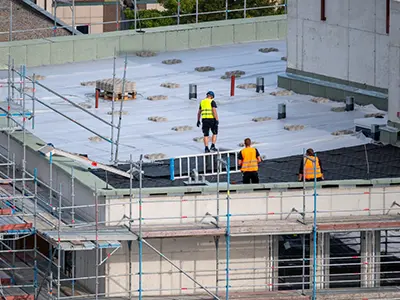
In new commercial construction, a roof is more than just a cover, it’s a critical part of your building envelope. A poor-quality installation can lead to early leaks, insulation failures, and even structural damage. Quality roofing systems offer better protection, lower maintenance costs, and improved energy efficiency, especially in regions with fluctuating weather like the Midwest.
Working with an experienced contractor helps ensure proper planning, installation, and coordination with other trades. It also means the roofing system is tailored to your building’s specific use, design, and long-term goals.
Commercial Roofing Options for New Construction
Each commercial building has unique needs, and selecting the right roofing material is crucial. Below are the most common systems used for new commercial construction, along with their benefits:
Single-Ply Roofing Systems
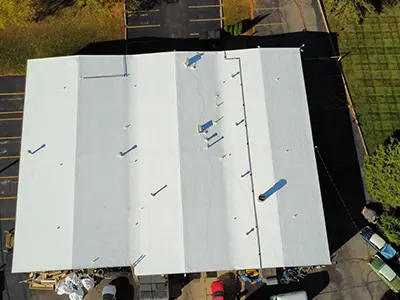
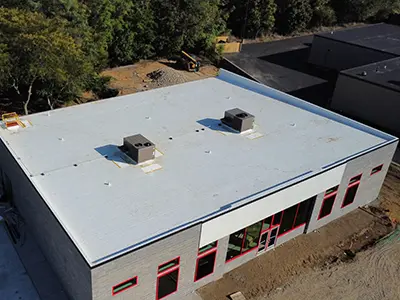
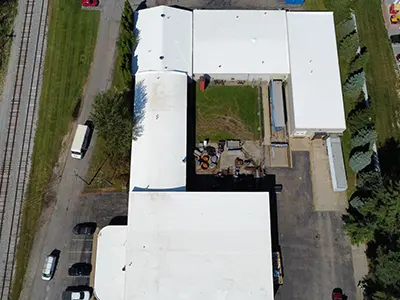
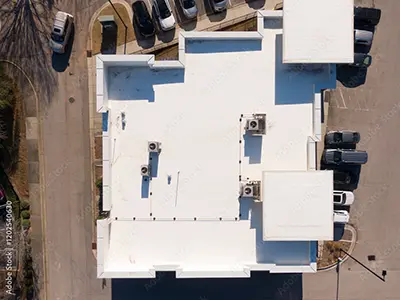
Single-ply membranes are the top choice for flat and low-slope commercial roofs, thanks to their performance and cost-effectiveness.
- TPO (Thermoplastic Olefin) – TPO roofing is widely used for its energy-efficient white surface that reflects sunlight and reduces cooling costs. It offers strong resistance to UV, chemicals, and punctures.
- PVC (Polyvinyl Chloride) – PVC roofs are ideal for businesses that deal with chemicals, oils, or grease — such as restaurants and factories. These systems offer excellent durability, fire resistance, and long-term performance in demanding environments.
- EPDM (Ethylene Propylene Diene Monomer) – Known for its flexibility and weather resistance, EPDM is a durable black rubber membrane that performs well in both hot and cold climates. It is a reliable and cost-effective option with a long service life.
Shingle Roofing
Asphalt shingles may be used on commercial buildings with a suitable steep-slope design. Roof slope, substrate, ventilation and the selected product’s requirements determine suitability; the building’s commercial use alone does not make shingles a light-duty roofing option.
Metal Roofing
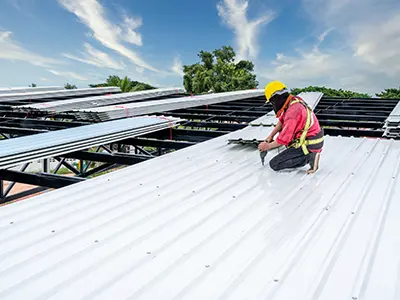
Metal roofing is another option for suitable commercial designs. Panel profile, slope, attachment, underlayment and flashing details all form part of the specified assembly. Expected performance and maintenance needs should be assessed for the actual product and project.
Choosing the Right Roofing Partner
The contractor you choose for your roofing installation plays a major role in the success of your project. You need a company that understands commercial construction, stays on schedule, and uses quality materials with precision workmanship.
For new commercial builds in Indiana, the roofing plan should coordinate local code requirements, drainage, insulation and other trades before installation. A clear scope helps the owner and contractor understand the system, schedule and responsibilities through completion.
CVC Roofing has a proven track record of helping commercial developers and property owners build roofs that last. Whether you’re constructing a retail center, office complex, or industrial facility, our team delivers tailored solutions that align with your vision and budget.
Call 317-557-0888 today to schedule your new construction consultation with our local experts.