 Quality Services,
CVC Roofing & Sheet Metal installs TPO, PVC and EPDM single-ply roofing for commercial buildings in Indiana. These membrane systems are used on low-slope roofs, with the material and attachment method selected for the building’s roof deck, insulation, drainage and operating conditions.
Understanding Single-Ply Roofing Systems
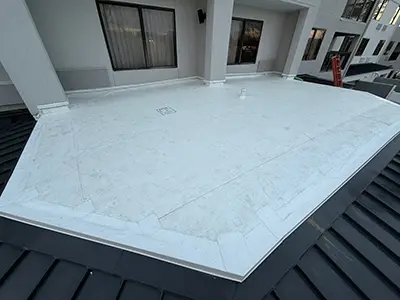
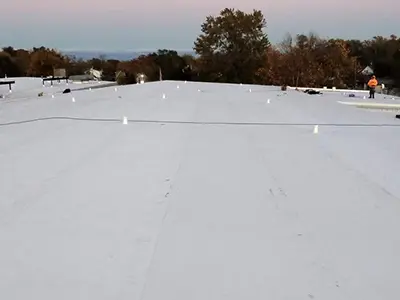
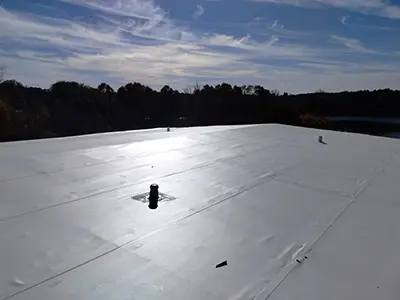
A single-ply roof uses a manufactured membrane as its main weather-resistant layer. The complete assembly also includes insulation, attachment, flashing and edge details. The seams between membrane sheets are an important part of the waterproofing system. TPO and PVC typically use heat-welded seams; EPDM uses compatible seam tapes and bonding materials.
The membrane may be mechanically attached, adhered or, in an appropriate engineered assembly, ballasted. The chosen approach must suit the deck, wind-design requirements and the manufacturer’s system details. The membrane, attachment and flashing work together as a complete roof assembly.
Single-Ply Options
TPO, PVC and EPDM offer different material characteristics. Comparing the actual membrane product, assembly and exposure is more useful than treating one material as the best choice for every commercial building.
TPO Roofing (Thermoplastic Polyolefin)
TPO is a thermoplastic membrane with heat-welded seams. Light-colored TPO surfaces can reduce solar heat absorption, although the effect on a building’s energy use depends on insulation, climate and building operation. Surface color does not replace an appropriate insulation design.
- Seams: Overlapping sheets are heat welded and checked for a consistent bond.
- Attachment: The specified system determines the fastening or adhesion method.
- Project considerations: Membrane thickness, rooftop traffic, penetrations and compatible accessories all affect the proposed assembly.
PVC Roofing (Polyvinyl Chloride)
PVC is another thermoplastic option with heat-welded seams. Where rooftop equipment releases grease or process residue, the proposed product’s compatibility with that exposure deserves particular attention. Chemical resistance is product-specific, and fire ratings apply to tested roof assemblies.
- Seams: Heat-welded laps join the membrane sheets.
- Exposure: Match the product to the substances and conditions expected on the roof.
- Project considerations: Review substrate compatibility, flashing details and the requirements of the tested assembly.
EPDM Roofing (Ethylene Propylene Diene Monomer)
EPDM is a synthetic rubber membrane. Its field seams use compatible tapes, primers or bonding materials rather than the hot-air welding used for TPO and PVC. Black EPDM is common, but color and surface options vary by product. The proposed product’s surface and color determine its reflectivity.
- Seams: Surface preparation and the specified bonding materials are important to seam performance.
- Attachment: Adhered, mechanically attached and ballasted assemblies have different design requirements.
- Project considerations: Review roof layout, drainage, rooftop access and maintenance needs alongside the membrane choice.
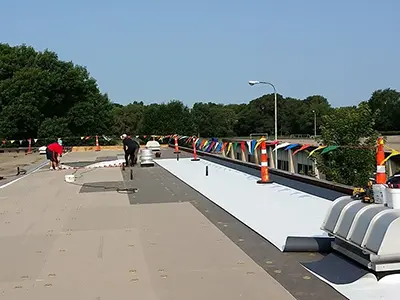
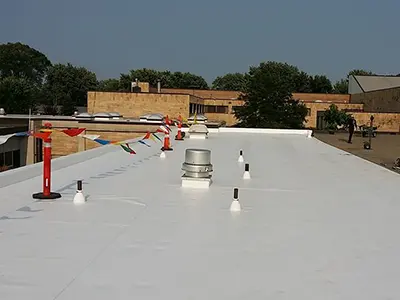
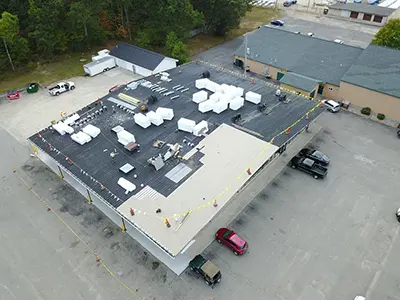
Planning the Installation
Installation planning starts with the supporting roof assembly. On an existing building, the condition of the deck, insulation and existing roof affects preparation and removal needs. Wet or damaged materials need an appropriate repair scope; a new membrane should not conceal an unresolved problem.
Seams are only part of the installation. Walls, drains, equipment curbs, pipes and roof edges need compatible flashing and termination details. Drainage must be addressed in the roof design rather than left to the membrane to solve. Final checks should cover these details as well as the field of the roof.
Service Life and Ongoing Care
Expected service life depends on the actual product, installation, exposure, drainage and maintenance. A general year range is not a warranty. Keep the applicable product and workmanship documents with the building’s roof records, and follow their inspection and maintenance requirements.
Routine care should keep drainage paths clear and identify damaged membrane, loose details or developing seam problems. Access for rooftop equipment should be planned to limit avoidable damage to the roof surface.
Single-Ply Installation for Indiana Commercial Buildings
CVC Roofing & Sheet Metal offers commercial single-ply installation in TPO, PVC and EPDM. CVC can discuss the membrane, attachment and preparation needs for your commercial building. Discuss your roof’s existing conditions and installation needs with CVC at 317-557-0888.