 Quality Services,
Commercial property owners face the challenge of maintaining durable flat roof systems daily. Rubber roof repair is essential for preventing leaks, water damage, and costly structural issues. Rubber roofs are common in Kokomo, IN commercial settings because of their durability and waterproofing capabilities, but timely repairs are critical to ensure long-term performance. Call CVC Roofing at 317-557-0888 to understand how we can help maintain the integrity of your rubber roof.
Understanding a “Rubber Roof”
A rubber roof is typically made from synthetic rubber membranes such as EPDM (ethylene propylene diene monomer) or TPO (thermoplastic polyolefin). These materials are highly flexible, resistant to UV rays, and designed to provide a continuous, watertight layer over flat or low-slope roofs. Commercial buildings benefit from rubber roofs because they are relatively lightweight, energy-efficient, and adaptable to irregular roof shapes, making them a popular choice for warehouses, offices, and industrial facilities.
Common Rubber Roof Issues
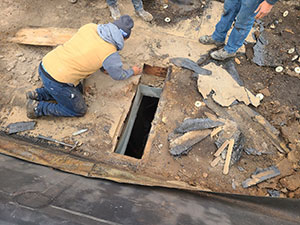
Commercial rubber roofs are generally durable, but they are not immune to wear and tear. Some common issues include:
- Cracks and punctures caused by foot traffic or rooftop equipment
- Seams lifting or separating over time
- Ponding water due to poor drainage
- UV and weather-related degradation
Ignoring these problems can lead to leaks, water damage, and accelerated roof aging. Early detection and timely repair help prevent costly structural damage and minimize business disruption.
Best Practices for Rubber Roof Repair
Repairing a rubber roof requires a careful, step-by-step approach:
- Conduct a thorough inspection to identify cracks, seam issues, or punctures.
- Clean the affected area to remove dirt, debris, and moisture before repair.
- Apply patches or seam tape specifically designed for the type of membrane.
- Seal all repaired areas to ensure watertight integrity.
- Perform a final assessment to confirm that repairs have fully addressed the issue.
While minor repairs are effective for localized damage, roofs that are extensively worn or damaged may require a full replacement to ensure long-term performance.
Rubber Roof Repair Considerations
Choosing the right repair method involves evaluating multiple factors. The age and current condition of your roof help determine whether a patch or full replacement is appropriate. Consider the roof’s exposure to UV, rain, or extreme temperatures, as these elements influence which repair materials will perform best. Building use is another key consideration, high-traffic industrial roofs may need more durable solutions than a lightly used office roof. Additionally, weigh the cost of repair against long-term ROI; sometimes investing in a more comprehensive repair or replacement saves money over time by avoiding repeated fixes.
Your Rubber Roof Repair Specialists
Understanding your roof’s condition and selecting the correct rubber roof repair method can protect your commercial building and extend the life of your roof. By considering the type of rubber membrane, the extent of damage, and building-specific requirements, property owners can make informed decisions that save both time and money. At CVC Roofing in Kokomo, IN, we help commercial clients evaluate their roofs and implement the best repair strategies. Call us on 317-557-0888 to ensure your roof remains secure and long-lasting.
FAQ
How long do rubber roofs typically last
Rubber roofs can last 20–30 years depending on membrane type, installation quality, and maintenance.
Can minor leaks be repaired without replacing the roof
Yes, localized leaks and seam issues can often be patched without a full roof replacement.
Which type of rubber roof is best for commercial buildings
EPDM is widely preferred for its durability, flexibility, and resistance to UV and weather.
How often should commercial rubber roofs be inspected
Inspections should be done at least twice a year and after major storms to catch problems early.