 Quality Services,
A commercial roof inspection is most useful when it gives an Anderson building owner enough evidence to decide what should happen next. The goal is not simply to label a roof good or bad. A useful report should identify observed defects, show where they are located, explain the limits of the inspection, and separate urgent work from items that can be monitored. CVC Roofing provides commercial roofing services in Anderson, IN. Call 317-557-0888 to discuss a roof inspection for your property.
What a Commercial Roof Inspection Report Should Show
A practical inspection report should give the property owner, facility manager, or other decision-maker a record that can be reviewed after the inspector leaves. The format can vary by roof and inspection scope, but useful documentation typically includes:
- Dated photographs that show the condition or defect being discussed
- Specific locations tied to a roof area, plan, grid, or recognizable feature
- Observed conditions at seams, flashings, penetrations, edges, drainage points, and applicable membrane surfaces
- Moisture findings and the limits of any testing that was performed
- Prioritized actions, such as immediate repair, near-term work, routine maintenance, or continued monitoring
- Reinspection triggers, including significant storms, recurring leaks, or a condition that was already being watched
That level of detail helps an owner compare later inspections, track whether a condition is changing, and give a contractor enough information to develop a more specific scope instead of relying on a vague description of the roof.
How Moisture Findings Should Be Documented
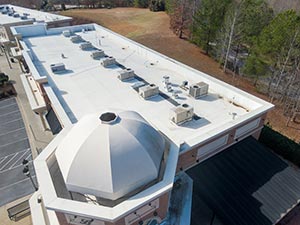
Visual inspection can identify stains, open seams, damaged flashing, soft areas, and other signs that deserve attention, but it cannot always determine what is happening below the surface. Infrared or thermal imaging can help identify temperature patterns that may be consistent with trapped moisture in some roof assemblies, yet a thermal anomaly is not proof by itself that insulation is wet.
Roof construction, weather, solar loading, surface conditions, and other factors can influence thermal patterns. When a moisture finding will affect the repair or replacement scope, the report should state whether the condition was only suspected or was confirmed through an appropriate invasive or instrument-based method. Any invasive testing should also account for roof-system requirements and applicable warranty conditions.
The report should make these limitations clear so an owner does not mistake screening information for a confirmed diagnosis.
Turning Findings Into Maintenance, Repair, or Replacement Decisions
The most useful report does more than list defects. It organizes them into decisions. Minor debris, isolated sealant deterioration, or drainage housekeeping may belong in a maintenance plan. A puncture, failed flashing detail, active leak, or localized membrane damage may justify a scoped repair. Widespread deterioration, extensive wet insulation, deck concerns, or repeated failures may require a broader evaluation before a replacement decision is made.
CVC Roofing’s commercial roofing overview describes the repair, maintenance, restoration, and replacement services that may follow an inspection. If the findings point toward a larger project, its article on commercial roof replacement in Anderson explains several conditions that can affect replacement scope.
An inspection report should support the next estimate, not substitute for it. The estimate can then reference the documented defect locations, quantities, access needs, wet areas, and other conditions that affect the work.
What the Inspection Should Cover
A commercial roof inspection should consider the roof as a system. Depending on the assembly, that can include membrane or surface condition, seams, flashing, parapet and edge details, curbs, penetrations, drainage components, visible substrate concerns, and signs of previous repairs. Drains, scuppers, and gutters should be checked for blockage or conditions that could interfere with water flow.
Penetrations and transitions deserve careful attention because they combine materials, movement, and waterproofing details. HVAC curbs, pipe penetrations, conduit entries, roof-to-wall transitions, and edge conditions should be documented individually when a concern is found.
When to Schedule Follow-Up Inspections
Spring and fall are common times for commercial roof inspections because they bracket winter weather and the warmer storm season, but a fixed calendar should not be the only trigger. Roof age, known leak history, warranty requirements, rooftop activity, previous defects, and severe weather can justify additional checks.
The report should state when the next review is recommended and what should trigger an earlier visit. That may include a significant hail or wind event, a recurring interior leak, changes around rooftop equipment, or a monitored defect that worsens. Owners should also review their own warranty and maintenance requirements rather than assuming one inspection schedule applies to every roof.
Commercial Roof Inspection in Anderson, IN
A good inspection gives an owner a documented condition record and a clearer basis for deciding whether the next step is maintenance, repair, monitoring, or a broader replacement evaluation. For commercial properties in Anderson, the most useful report is specific about what was observed, where it was found, what remains uncertain, and which actions deserve priority. Call CVC Roofing at 317-557-0888 to discuss a commercial roof inspection.
Frequently Asked Questions
How long does a commercial roof inspection take?
Timing varies with roof size, access, system complexity, the number of penetrations and drainage points, and whether moisture testing or other diagnostics are included. The inspection scope should define what is being evaluated rather than rely on one standard duration.
Does a commercial roof inspection require interior access?
Not always, but interior access may be useful when the inspector needs to trace a leak, review ceiling or deck conditions, or compare exterior findings with reported moisture inside the building.
What should an owner receive after the inspection?
A useful report should document dated photos, defect locations, observed conditions, moisture-testing limits, prioritized recommendations, and any trigger for an earlier reinspection.
Can an inspection report support an insurance claim after a storm?
Documented roof conditions and photographs may help support a claim, but the report does not determine coverage. Policy terms, the cause of damage, and the insurer’s review control the claim decision.