 Quality Services,
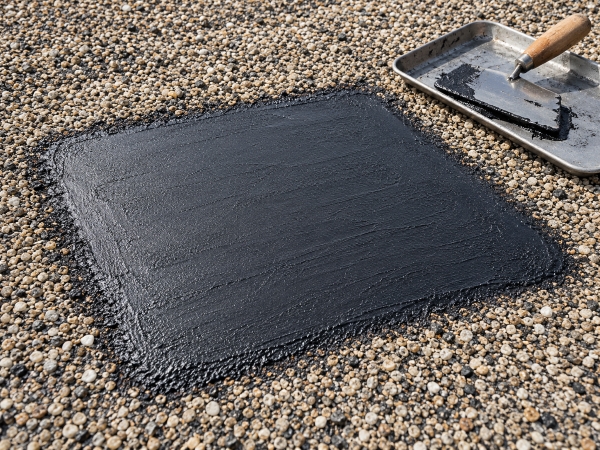
Built-up roof repair addresses localized defects in a layered bitumen roof, including tar-and-gravel and cap-sheet assemblies, without automatically replacing the entire roof. For Kokomo, IN commercial buildings, CVC Roofing & Sheet Metal provides commercial roof repair services, and the repair scope should follow the actual defect, surrounding roof condition, moisture findings, and material compatibility. Localized damage may be repairable when the surrounding assembly remains suitable for repair.
A built-up roof (BUR) uses multiple plies of bitumen and reinforcing material, often finished with aggregate or a cap sheet. Because water can travel within a roof assembly before it becomes visible indoors, the location of an interior stain does not always identify the exact entry point. Repair planning should trace the likely source and evaluate nearby seams, flashing, drainage, and moisture conditions.
Common Built-Up Roof Problems in Kokomo
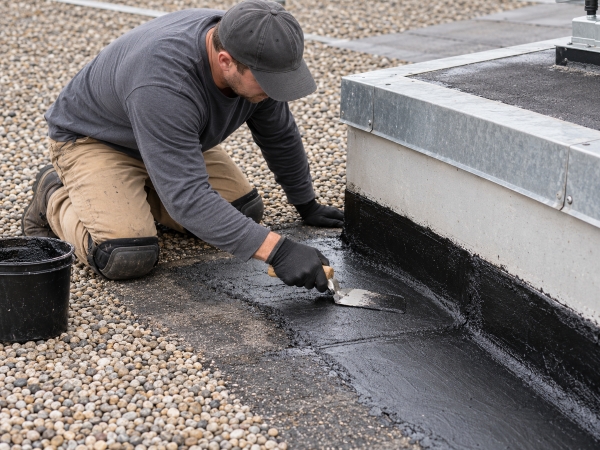
Built-up roofs in Kokomo can be exposed to temperature changes, snow, rain, wind, and rooftop activity. The conditions below are among the defects that may need evaluation on an aging or leaking BUR system:
- Alligatoring: a cracked or scaly surface condition that can indicate weathering of the exposed bitumen or surfacing.
- Blisters: raised areas that may involve trapped air or moisture between roof layers. Their size, location, surrounding condition, and whether they have opened all affect the repair scope.
- Ridging and splitting: wrinkled, raised, or split areas that may reflect movement within the roof assembly and should be evaluated with the surrounding plies and substrate.
- Gravel loss: areas where protective aggregate or surfacing is missing and the underlying roof material is more exposed.
- Failed flashings: open, cracked, displaced, or deteriorated flashing at walls, curbs, vents, penetrations, or rooftop equipment.
- Ponding: recurring standing water that may indicate drainage, slope, or low-area conditions that need separate evaluation.
How a Built-Up Roof Repair Is Done
Repair scope depends on the installed BUR assembly and what inspection or diagnostic work confirms. The affected area may need cleaning, removal of loose or deteriorated material, moisture investigation where appropriate, and repair or replacement of damaged roof layers. The repair materials and detailing should be compatible with the existing system and extend onto roof material that remains suitable for the selected method.
| Problem Found | Typical Repair Approach |
|---|---|
| Blister that has split | Evaluate the blister and surrounding plies; remove or open affected material only when required by the selected repair method, then rebuild with compatible materials. |
| Split or ridged felts | Remove or secure affected material as required, then reinforce or rebuild the damaged area with a compatible BUR repair method. |
| Open or cracked flashing | Repair or replace affected flashing and termination details using materials compatible with the existing roof assembly. |
| Bare or crazed surface | Clean and evaluate the surface, then restore compatible surfacing or coating where the roof condition and selected system support it. |
| Wet insulation under the leak | Confirm the extent of moisture and remove or replace affected materials as required before rebuilding the roof layers in that area. |
Why Compatible Materials Matter
Repair materials should be compatible with the existing roof assembly. Bitumen types, reinforcing materials, coatings, primers, membranes, and sealants are not automatically interchangeable. The written scope should identify the repair system and preparation rather than rely on a generic patch material.
Repair, Coating, or Replacement
Localized repair may fit when defects are limited and the surrounding BUR assembly remains suitable for repair. If the roof surface is weathered but moisture, adhesion, drainage, and substrate conditions support restoration, a roof coating may be another option after required repairs. Widespread deterioration, recurring leaks, broad moisture findings, or deck and insulation problems can justify comparing a flat roof replacement with continued spot repair.
Moisture is one important factor, but it is not the only one. The extent and location of moisture, deck and insulation condition, drainage, membrane deterioration, flashing, prior repairs, and the reliability of a localized repair all influence whether repair, restoration, or replacement is the better scope.
Keeping a Repaired Roof in Good Shape
After a repair, the roof still needs condition-based maintenance. Drainage, flashing, repaired areas, surfacing, penetrations, and rooftop traffic zones should be included in future reviews. A practical checklist can include:
- Keep drains, scuppers, and gutters clear according to building conditions and the maintenance plan.
- Consider an additional review after significant weather or rooftop work when there is a specific reason to suspect damage.
- Manage rooftop access and use traffic protection where the roof system and equipment-service paths call for it.
- Keep written notes and photos of repairs so later inspections can compare recurring conditions.
A commercial roof maintenance program can use inspection findings and repair history to prioritize drainage, flashing, surfacing, and other roof conditions. For general flat roof repair questions on other roof types, or to see the areas CVC serves, visit the Kokomo location page.
Talk With CVC About Your Kokomo Roof
Property owners and managers with a leaking or aging built-up roof can call CVC Roofing & Sheet Metal at (317) 557-0888. Having the building address, the approximate roof age, and the location of any leaks or interior stains ready makes the first conversation more useful.
Frequently Asked Questions
Can a built-up roof be repaired instead of replaced?
Often, when the defect is localized and the surrounding roof assembly remains suitable for repair. Broader moisture, repeated failures, or widespread deterioration may justify comparing restoration or replacement.
What causes a built-up roof to leak?
Possible causes include opened or damaged plies, flashing defects, punctures, deteriorated surfacing, drainage problems, and failed details around walls, curbs, or penetrations.
When should a built-up roof repair be expanded beyond the visible leak area?
When moisture findings, repeated defects, deteriorated insulation or deck conditions, or surrounding roof damage show that the problem extends beyond the first visible opening.
How is the source of a leak found on a layered roof?
Because water can travel within the roof assembly before appearing indoors, the investigation should compare interior evidence with roof seams, flashing, penetrations, drainage, surface defects, and any diagnostic findings.