 Quality Services,
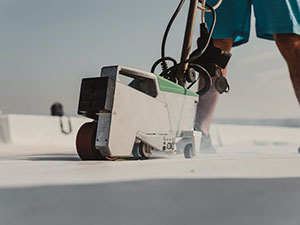
For commercial property owners in Kokomo, IN, a new building is a chance to get the roof right from the start. New construction roofing is different from replacement work because the roof is designed, ordered, and installed alongside the structure, the mechanical systems, and the other trades. Important roof problems on new buildings can trace back to decisions made during that phase: the system chosen, the details at penetrations and edges, drainage, and who checks the work. CVC Roofing & Sheet Metal can be reached at 317-557-0888 to talk through a Kokomo project.
For related commercial roofing guidance in Kokomo, see commercial roof maintenance in Kokomo, which covers how to keep a new roof performing after it is installed.
Top Mistakes to Avoid During New Construction Roofing Projects
Choosing the Wrong Roofing System
One mistake is picking a system before the building’s real requirements are known. Kokomo buildings deal with wind, heavy rain, snow load, and wide temperature swings, so the roof has to be matched to the structure, not just to a budget line. Options owners often compare include single-ply membranes such as TPO and EPDM, metal, and modified bitumen. Which one fits depends on the points below.
- Building design and slope: flat and pitched roofs need different materials and drainage solutions.
- Local climate: materials should be suited to wind uplift, hail, and temperature extremes.
- Energy goals: reflective surfaces and insulation can reduce heating and cooling loads, though the savings depend on the building and the design.
- Rooftop activity: equipment that needs regular service calls for walk protection and a durable surface.
Improper Installation Practices
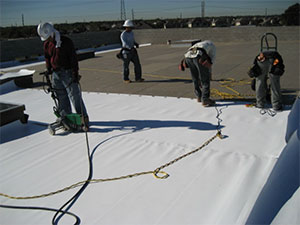
Even a well-chosen system can develop problems if it is installed poorly. Improper fastening, deficient seam work, and poorly integrated flashing may allow water intrusion and can raise questions under applicable warranty terms. During installation, the areas worth watching are:
- Flashing and penetration seals: vents, HVAC curbs, and any openings should be integrated by the roofer and not left to later trades.
- Fasteners and adhesives: they should match what the manufacturer specifies for each material.
- Slope and drainage: small slope errors can create ponding, which speeds up deterioration.
Overlooking Preventative Measures
Speed and cost pressure tempt owners to skip protective steps. Underlayment and vapor barriers guard against moisture, drains, gutters, downspouts, and scuppers should be placed and tested, and inspections during construction catch errors before they are covered over. Finding a defect before it is covered generally makes the repair easier to define and may avoid removing finished roof materials.
Budgeting and Coordination Challenges
Roofing shares the schedule with HVAC, electrical, and other trades, and miscommunication can lead to damaged membranes, missed dates, and rushed work. A clear schedule, a written scope that names materials and installation standards, and a contingency budget for surprises reduce those risks.
What to Confirm Before Work Starts
The table below turns the common mistakes into questions an owner can ask. It describes general good practice, not a guarantee of any outcome on a specific building.
| Area | What to Confirm | Limitation to Keep in Mind |
|---|---|---|
| System selection | Why the proposed system suits the slope, loads, rooftop equipment, and energy goals. | No one system is best for every building; ask for the reasoning in writing. |
| Drainage | Drain and scupper locations, slope to drains, and overflow provisions. | Structural framing can limit slope, so settle this with the design team early. |
| Penetrations and edges | Who installs curbs and flashings, and how they are sealed. | Late additions by other trades are a frequent source of leaks. |
| Manufacturer requirements | Installation and documentation needed to keep any warranty valid. | Warranty terms vary by manufacturer and product; read the actual document. |
| Inspection and records | When inspections happen during construction and how findings are recorded. | An inspection documents conditions on the day; it does not predict future performance. |
Practical Observations for Owners
A few habits help on almost every new commercial roof. Ask the contractor to limit roof access to trained personnel, and protect finished membrane where equipment is being set. Request dated photos of key details before they are covered, such as flashings, penetrations, and drains. After the first heavy rain, ask the roof crew to check for ponding and drainage defects; owners can report visible water from safe ground-level or interior vantage points. Finally, keep the closeout paperwork in one place, including the specification, product data, and warranty documents.
Signs It Is Time to Act
- Standing water that is still on the roof a day or two after rain.
- Damaged membrane or sealant after other trades finish rooftop work.
- Interior stains or damp spots shortly after the building opens.
- Missing documentation for the roof system or warranty at closeout.
These conditions warrant assessment and documentation rather than waiting for the next scheduled maintenance visit. Where a defect needs correction, a flat roof repair or a revised construction scope may be appropriate.
The Value of Doing It Right
A well-planned and correctly installed roof tends to reduce maintenance needs, limit water damage, and support the building’s long-term value. Addressing problems before occupancy may avoid extra removal work, interior disruption and conflicts with building operations.
New Construction Roofing Experts
During construction, the roofer and other trades should agree who completes each penetration, inspection and weatherproofing detail. The written scope should identify applicable system installation instructions. When comparing contractors for a Kokomo building, ask who will install the work, how details are inspected, and what documentation is provided at closeout. To discuss a commercial roofing project, contact CVC Roofing & Sheet Metal at 317-557-0888. Owners planning for the long term can also review roof coating and flat roof replacement information for what comes later in a roof’s life.
Frequently Asked Questions
What materials are best for commercial new construction roofing?
It depends on the building type, slope, climate, and energy goals. Options include TPO, EPDM, metal, and modified bitumen.
Can poor installation void my roofing warranty?
It can. Many manufacturer warranties require specific installation methods and documentation, so check the warranty terms before work begins.
How can I ensure my new roof handles extreme weather?
Choose materials suited to local wind, hail, and temperature conditions, and make sure installation and drainage follow the specification.
Is it important to coordinate roofing with other construction trades?
Yes. Shared planning can reduce damage to finished roofing, clarify responsibility for penetrations and equipment, and help manage the schedule and budget.