 Quality Services,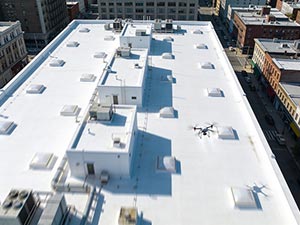
Much of the commercial building stock in Indianapolis sits under a flat or gently sloped roof, from warehouses and retail centers to office parks and medical buildings. If you have recently become responsible for one of these properties, understanding low slope roofing is the first step toward managing it effectively.
Call CVC Roofing & Sheet Metal at (317) 557-0888 for low slope roofing in Indianapolis, IN.
Understanding Low Slope Roofing
A truly flat roof is rare because a roof with no pitch cannot drain. What people call a flat roof is almost always a low-slope roof. It has a slight pitch, typically less than about two inches of rise for every twelve inches of run, that helps direct water toward the drains.
Low slope roofing is commonly used in commercial construction for practical reasons. These systems can efficiently cover large building footprints, provide space for rooftop equipment such as HVAC units, and be more economical than steep-slope roofs on wide commercial buildings. These practical advantages make low slope roofing a common choice for Indianapolis commercial buildings.
Low-Slope Systems Used on Indianapolis Commercial Roofs
Several system types are used on low-slope commercial roofs, and each performs differently. Single-ply membranes, which are thin sheets rolled out and sealed at the seams, are commonly used for new installations. Reflective white options can help limit heat absorption during warmer months.
Older buildings often have modified bitumen or built up roofing. These asphalt-based systems are installed in layers and are generally heavier and darker than single-ply membranes. Others use rubber-based membranes valued for flexibility. Knowing which system is on a building matters because each has its own repair method, maintenance needs, and end-of-life path.
How Indianapolis Weather Tests Low Slope Roofing
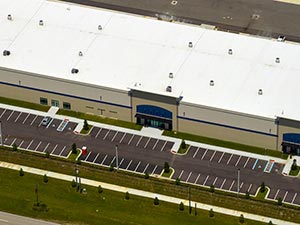
Indianapolis delivers real stress in every season. Freeze-thaw cycles from late fall into spring cause roofing materials to expand and contract, placing stress on seams, flashing, and membrane laps.
Spring can bring heavy rainfall that tests whether the roof’s slope and drainage system can remove water efficiently. Summer sun can degrade exposed surfaces over time, particularly on older, darker roofing systems. A roof in Indianapolis faces demands throughout all four seasons, which is why inspections twice a year are appropriate for the local climate.
Managing a Flat Roof Over Its Life
Responsible management comes down to a few habits. Schedule inspections twice a year and after major storms, and keep the roof surface and drains clear of debris that can obstruct drainage.
Watch for early warning signs, such as lingering ponding water, blistering, open seams, or damp ceilings inside. Consider whether the roof should be maintained, repaired, or replaced as its condition changes so decisions can be based on reliable information rather than prompted by a sudden leak. Consistent maintenance can reduce unexpected problems and help property owners plan for the roof’s long-term needs.
Expert Low Slope Roofing
A low-slope roof becomes easier to manage once you understand its design, the system installed, and how the local climate affects its performance. With that knowledge, low slope roofing becomes a manageable building asset, while an experienced roofing partner can provide the technical support it requires.
For low slope roofing in Indianapolis, IN, contact CVC Roofing & Sheet Metal at (317) 557-0888 today.
FAQ
How long does a low slope commercial roof last?
Service life varies by system, typically ranging from approximately 15 to 30 years, with single-ply and built up systems offering different expected lifespans within that range. Regular inspections, maintenance, and prompt repairs can help a roofing system reach the longer end of its expected service life.
What is the most common low slope roofing system on Indianapolis commercial buildings?
Single-ply membranes, especially reflective white ones, have become the most widely specified choice on new and replacement projects. Rubber-based membranes and older layered asphalt systems remain common across the city’s existing building stock.
Can a low slope roof be walked on for maintenance?
It can, but foot traffic can contribute to membrane wear, so workers should follow designated routes and use protective walk pads near rooftop equipment. Limiting who goes up and where they step protects the surface between inspections.