 Quality Services,
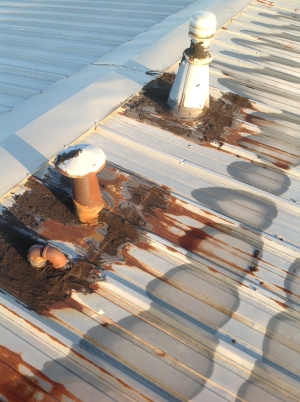
A commercial roof inspection is only as useful as the evidence it produces. For property owners and facility managers in Lafayette, IN, the goal is a written record that shows the condition of the roof, where the problems are, how serious they are, and what should happen next. CVC Roofing & Sheet Metal performs commercial roof inspections in the Lafayette area and can be reached at 317-557-0888 to arrange one.
This article explains what an owner should expect to receive from an inspection: the report contents, how findings are prioritized, when thermal or moisture results need confirmation, and how the report supports a scoped estimate for maintenance, repair, or replacement.
Why Roof Inspection Matters
A commercial roof protects the building, its contents, and the people inside. Inspections let owners and managers:
- Find leaks, punctures, and seam separations before they spread.
- Assess wear from Indiana’s heavy snow, spring rain, and summer storms.
- Confirm that drains, scuppers, and gutters are working so water does not stand on the roof.
- Document roof condition, which may support insurance and warranty discussions.
- Plan ahead with recommendations for maintenance, repair, or replacement.
Scheduled inspections give owners the information to budget for roof work instead of reacting to failures. A commercial roof maintenance routine builds on that information by turning findings into a regular schedule.
CVC Roof Inspection
Inspection considerations vary across commercial roofs, including TPO, PVC, EPDM, metal, and modified bitumen. A typical inspection includes:
- Visual assessment: a walk-through to identify visible damage, flashing problems, and membrane wear.
- Moisture checks: looking for trapped moisture that can weaken insulation.
- Drainage evaluation: checking that gutters, scuppers, and internal drains are clear and working.
- Structural review: noting signs of sagging, ponding, or compromised decking.
- Documentation and reporting: documenting observations, photographs where provided, and proposed next steps.
What a Useful Inspection Report Contains
The table outlines the sections an owner can reasonably expect in a thorough report. Exact format varies, but each element helps with a later decision.
| Report Section | What It Should Show | How It Helps |
|---|---|---|
| Property and roof summary | Address, roof type, approximate age, areas inspected, and inspection date. | Sets the context and allows comparison with future reports. |
| Dated photographs | Overall views and close-ups of each defect, labeled by location. | Shows what was seen and tracks change over time. |
| Defect locations | A roof sketch or description marking seams, flashings, penetrations, and drains with issues. | Lets a repair crew find and price each item. |
| Moisture findings and limits | What was checked, how, where, and what could not be confirmed. | Prevents over-reading a surface check as a full moisture survey. |
| Prioritized actions | Urgent, planned, and monitor items with a short reason for each. | Supports a scoped budget and schedule. |
| Reinspection triggers | Conditions that call for another look, such as severe storms or repeat leaks. | Tells the owner when to act before the next scheduled visit. |
Thermal and Moisture Findings Need Confirmation
Where appropriate to the roof and available from the inspection provider, infrared scans and moisture meters can identify possible areas of trapped water, but they are indicators rather than final answers. Readings can be affected by sun exposure, roof surface, and weather, and a warm or cool area may have causes other than moisture. When a scan or meter flags a location, a follow-up method may be needed, such as closer examination, another suitable test or an approved core sample, before treating it as confirmed moisture. A good report states what method was used, where it flagged something, and whether the finding was confirmed. It should not present a possible wet area as a certain one.
Who Receives the Report and How It Informs an Estimate
The report belongs with the people who make decisions about the building: the owner, the property manager, and often the maintenance lead. Where a claim or warranty question arises, retain the report and review its findings against the applicable requirements before sharing it with the relevant parties. A report with located defects, photographs, and priorities makes a scoped estimate possible, because each repair item can be described and priced separately. Without those details, contractors may quote different scopes for the same roof. Owners can also use the report to compare bids on the same basis and to decide between repair, a protective roof coating, or flat roof replacement.
Long-Term Benefits
Regular inspections can bring practical benefits when the findings are acted on:
- Earlier detection: small defects can be handled before they spread, which may help a roof reach its expected service life.
- Planning: a prioritized report helps owners budget for defined repairs, monitoring, and any necessary larger work.
- Records: dated documentation may help with insurance claims after storm damage or with warranty questions, though coverage depends on the actual policy or warranty.
- Safety: a sound roof helps protect tenants, employees, and customers.
Inspections are not a substitute for repairs. Their value depends on the owner using the findings to schedule the work.
Why Choose CVC Roofing?
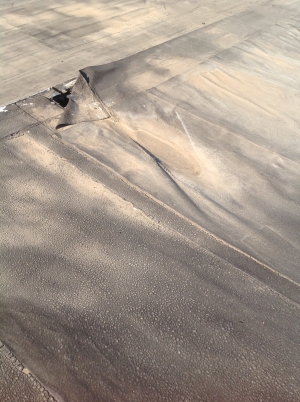
CVC Roofing & Sheet Metal serves commercial properties in Lafayette and describes more than 45 years of combined industry experience. For owners comparing inspection providers, useful questions include:
- What roof types does the inspector work with, and how is each evaluated?
- What will the report include, and how soon is it delivered?
- How are moisture and thermal findings confirmed before they are reported as facts?
- How are findings turned into a scoped estimate for repair, coating, or replacement?
Clear answers to these questions, in writing, make it easier to compare providers on the same basis.
Comprehensive Roof Inspection Services
Waiting until leaks or structural problems interrupt operations usually makes decisions harder. A professional roof inspection gives the information to plan, whether the building has single-ply membranes, metal roofing, modified bitumen, or a combination of systems. To arrange a commercial roof inspection in Lafayette, IN, contact CVC Roofing & Sheet Metal at 317-557-0888. Having the roof’s age, system type, and any known leak locations ready makes the inspection more productive.
FAQ
How often should a commercial roof be inspected?
Timing depends on the roof type and environment, but spring and fall reviews are common, with additional checks after significant storms where appropriate. Follow applicable roof-system and warranty maintenance requirements.
What happens if my roof has problems found in an inspection?
The report should list the findings by priority and location so that repair, coating, or replacement options can be scoped and priced.
Can roof inspections help with insurance claims?
A dated, photographed report documents roof condition and may help support a claim after storm damage. Coverage depends on the actual policy, so check the terms with the insurer.
Does a thermal scan prove a roof has wet insulation?
No. A scan can point to areas that may hold moisture, but the finding needs confirmation by an appropriate follow-up method before it is treated as fact.