 Quality Services,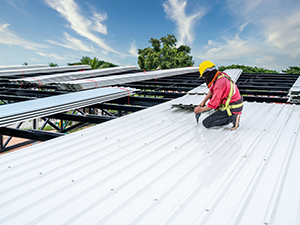
New construction roofing is a critical step in protecting a commercial building from leaks, premature wear, and costly future repairs. In Indianapolis, IN, CVC Roofing provides professional new construction roofing services for commercial projects where performance, code compliance, and long-term durability matter. A new building only gets one first roof system, so the materials, installation methods, and details must be done right from day one to support the structure for years.
If you need new construction roofing in Indianapolis, IN, CVC Roofing is ready to help you plan and install a roof system that fits your project’s scope, timeline, and performance goals. Call (317) 557-0888 to discuss your new construction needs, request an estimate, and get expert support for new construction roofing.
New Construction Roofing Requires a Different Approach
New construction is not the same as replacement work. The roof must be built to match the building’s design, drainage plan, structural requirements, and long-term operational needs. That includes selecting the right roof type for slope, foot traffic, rooftop equipment, and exposure to weather. It also includes planning details around penetrations, curbs, edges, and transitions, which are common leak points if they are rushed or installed incorrectly.
For commercial properties, the roof often protects high-value assets and day-to-day operations. That is why new construction roofing should be treated as a complete system, not just a surface layer. When a roof is planned properly from the beginning, it is easier to maintain, less likely to develop chronic leak issues, and more predictable for long-term budgeting.
Common Roofing Systems Used on New Commercial Buildings
Many new commercial buildings use membrane roof systems on flat or low-slope structures. These systems are designed to provide watertight protection across large roof areas when installed correctly. Other projects may use metal roofing for specific designs, long-term durability goals, or areas that benefit from a different roof profile. The right choice depends on the building’s purpose, roof geometry, local conditions, and the performance priorities of the owner.
Material choice is only one part of the decision. Installation method, insulation strategy, and drainage planning play a major role in how well the roof performs over time. A roof that looks fine at completion can still develop issues if it does not move water efficiently or if critical details are not installed with precision.
What a Quality New Construction Roofing Process Should Include
A professional new construction roofing project typically begins with review of plans and coordination with the general contractor and other trades. This helps reduce conflicts around rooftop units, penetrations, and schedule timing. The roof system must be installed at the right stage of construction, so the building is protected without compromising workmanship.
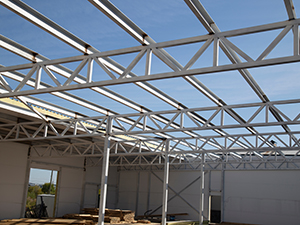
From there, the roof assembly is built in layers. This may include vapor control where needed, proper insulation thickness and layout, secure attachment methods, and careful detailing at edges and transitions. The roof must also account for drainage performance. Flat roofs are designed to move water, but problems happen when drains are blocked, slopes are inadequate, or details allow water to sit in vulnerable areas.
Quality control is also essential. Seams, flashings, and penetrations should be installed consistently, and the roof should be reviewed for completeness before the job is considered finished. A new construction roof is an investment, and the goal is to deliver a system that performs reliably, not one that requires frequent early repairs.
How New Construction Roofing Protects Long-Term Value
A well-installed roof helps protect the entire building envelope. That means fewer interior moisture issues, better protection for insulation and decking, and reduced risk of operational disruptions caused by leaks. It also supports long-term planning, because a roof built correctly from day one is easier to inspect and maintain.
New construction roofing can also support energy performance when insulation is installed correctly, and air leakage paths are minimized. While every building is different, the roof assembly plays a major role in how stable indoor conditions remain over time. When the roof is designed and installed properly, it helps protect the owner’s investment and supports the building’s performance goals.
Choosing the Right Contractor for New Construction Roofing
Commercial new construction roofing requires experience, coordination, and attention to detail. The contractor must understand jobsite scheduling, safety requirements, and the importance of completing details correctly the first time. Mistakes around penetrations, edges, or drainage design can lead to repeated issues that are costly to correct later.
For dependable new construction roofing in Indianapolis, IN, contact CVC Roofing for professional planning and installation designed for long-term roof performance. Whether your project is a new commercial facility, expansion, or a building that requires durable low-slope roofing expertise, CVC Roofing is ready to help. Call (317) 557-0888 today to schedule an estimate for new construction roofing in Indianapolis, IN, and move forward with a roof system built to protect your property.
FAQ
What is the biggest risk with new construction roofing?
The biggest risk is poor detailing or drainage planning that leads to early leaks, moisture intrusion, and avoidable repairs. Quality installation and planning reduce that risk.
How is new construction roofing different from roof replacement?
New construction roofing requires plan review, trade coordination, and building the full roof assembly from the deck up, including insulation strategy and drainage details.
Can a new commercial roof be designed for easier maintenance?
Yes. Proper layout, drainage planning, and consistent detailing make inspections and maintenance simpler, which helps protect roof life over time.