 Quality Services,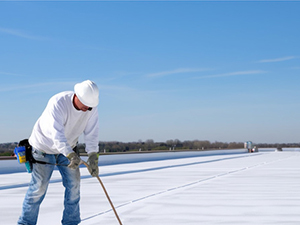
A professional commercial roof inspection can help building owners and facility managers understand the condition of a roofing system before small concerns become larger problems. Weather exposure, debris accumulation, drainage issues, and normal wear can affect roofing materials over time. CVC Roofing provides commercial roof inspection services in Indianapolis, IN, helping property owners identify concerns and make informed maintenance or repair decisions.
If your building is due for an inspection, preparing access information and noting known trouble spots can make the visit more useful. CVC Roofing works with property owners and facility managers in Indianapolis to assess commercial roofing systems and recommend appropriate next steps. To schedule a commercial roof inspection, contact CVC Roofing at 317-557-0888.
What Happens During a Commercial Roof Inspection
During a commercial roof inspection, roofing professionals evaluate visible components of the roofing system for signs of damage, aging, or drainage concerns. The review may include surface materials, flashing, seams, roof penetrations, and other accessible areas where wear or water entry can develop.
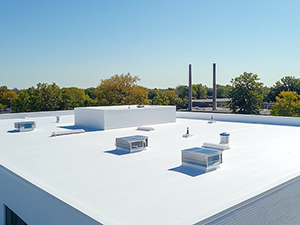
Inspectors also pay attention to areas around rooftop equipment, including HVAC units, vents, and skylights. These locations create transitions and openings in the roofing system, so deteriorated flashing or seals can become potential leak points.
Common Issues Found During Commercial Roof Inspections
Commercial roofs are exposed to environmental conditions year round, which can gradually affect roofing materials. An inspection may identify issues such as loose flashing, membrane punctures, seam separation, debris buildup, or drainage problems. Blocked drains can contribute to standing water, while worn seams or flashing may create paths for moisture to enter the roofing system.
Benefits of Routine Commercial Roof Inspections
Routine inspections support preventive maintenance by giving owners a clearer picture of roof condition over time. When developing concerns are identified early, maintenance may be simpler than waiting until water intrusion or broader damage is visible inside the building.
Inspection findings can also help owners plan work instead of reacting only after a leak. When repairs are appropriate, CVC Roofing can discuss the condition found and the available options. For related repair information, see the company’s flat roof repair resources.
Signs a Commercial Roof May Need an Inspection
Visible warning signs can provide a reason to schedule an inspection. Interior ceiling stains, damp areas, or unexplained moisture near roof penetrations may point to a roofing concern. On the exterior, loose materials, damaged flashing, debris accumulation, or recurring drainage problems can also justify a professional evaluation.
Preparing for a Commercial Roof Inspection
Property owners can help an inspection go smoothly by preparing basic access information beforehand. Confirm that roof hatches, ladders, gates, or other approved access points are available, and identify the staff member who can provide a key, access code, or escort if one is required. If rooftop equipment has operating schedules or restricted areas, share that information before the visit.
It is also useful to make a short list of known trouble spots. Note recent leaks, ceiling stains, recurring drainage backups, or areas where previous repairs were made. This gives the inspector useful context without assuming the cause before the roof is evaluated.
What to Look for in an Inspection Report
A useful inspection report should make the findings understandable to the person responsible for the building. Look for a clear description of the areas reviewed, the conditions observed, and any recommended maintenance or repair. Photos or other documentation can be helpful when they are included because they give the owner a reference point for discussing the findings and comparing conditions over time.
If a report lists several concerns without explaining their significance, ask the contractor to walk through the findings so you understand what needs attention, what can be monitored, and what questions remain before work is approved.
Turning Inspection Findings Into Maintenance Priorities
Not every observation has the same urgency. Use the inspection findings to separate conditions that need prompt attention from items that can be planned for a later maintenance visit or monitored during future inspections. Active water entry or an exposed roofing component may deserve faster attention than ordinary surface wear that remains serviceable.
Ask how each recommendation relates to the observed condition, what happens if the work is deferred, and whether several maintenance items can reasonably be handled together. This helps facility managers make decisions based on roof condition and operational priorities rather than treating every line in a report as equally urgent.
Commercial Roof Inspection Services in Indianapolis
Working with experienced commercial roofing professionals can help owners understand what was observed and what options are appropriate for the building. CVC Roofing provides commercial roof inspection services in Indianapolis, IN. To schedule an inspection, contact CVC Roofing at 317-557-0888.
Frequently Asked Questions
What types of commercial roofs can be inspected?
Commercial roof inspections can cover a range of systems. The specific inspection approach depends on the roof type, condition, accessibility, and the concerns being evaluated.
How can property owners prepare for an inspection?
Confirm roof access, identify any access restrictions, and make note of known leaks, drainage problems, or previous repair areas that may help provide useful context.
Do commercial roof inspections require shutting down business operations?
Many routine inspections can be performed without shutting down normal operations, but access and safety requirements vary by building. Confirm any operational restrictions with the contractor before the visit.
How should I use the findings from a roof inspection?
Review which conditions need prompt attention, which can be scheduled for maintenance, and which should be monitored. Ask the contractor to explain the basis for each recommendation before approving work.