 Quality Services,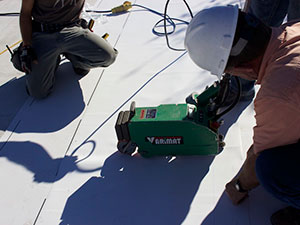
TPO roofing systems are a popular choice for commercial properties in Kokomo because they offer durability, strong energy efficiency, and reliable performance in a variety of climates. Despite their advantages, TPO roofs can develop issues over time that require professional TPO roof repair. Businesses depend on their roofs to protect operations and maintain a safe environment, so understanding how TPO roof damage occurs and how repairs are performed can help property owners make informed decisions and keep their buildings in optimal condition. Call CVC Roofing on (317) 557-0888 for TPO roof repair in Kokomo, IN.
TPO Roof Repair Considerations
What Makes TPO Roofing Unique
TPO, also known as thermoplastic polyolefin, is a single-ply membrane designed to resist heat, ultraviolet rays, and chemical exposure. Its white reflective surface helps reduce energy use by lowering cooling demands during warmer months. Because TPO is lightweight and flexible, it adapts well to commercial buildings with flat or low sloped roof structures.
The membrane is typically installed in large sheets that are heat welded at the seams. This creates a strong and watertight bond that supports long lasting performance. Despite its strength, TPO requires routine maintenance and timely repairs to prevent premature wear or damage caused by weather or daily building operations.
Common Issues That Affect TPO Roofs
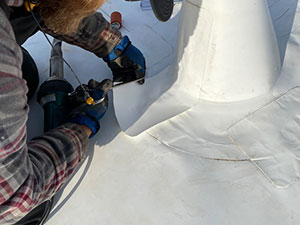
TPO roofing systems in Kokomo may experience a variety of issues due to weather exposure, aging materials, or poor maintenance. Prolonged sunlight can cause the surface to weaken over time, creating small cracks or surface deterioration. Wind and rain may loosen seams or flashing, especially around vents, edges, and rooftop equipment.
Punctures are another frequent concern. Technicians who access the roof for HVAC servicing or maintenance may unintentionally damage the membrane by stepping on vulnerable areas. Ponding water also creates long term stress on TPO surfaces, especially if drainage systems are blocked or not functioning properly.
Heat welded seams may occasionally separate due to age or improper installation. When these seams weaken, water can enter the roofing system and cause interior damage.
TPO Roof Repair Red Flags
Several visible and non-visible signs can indicate the need for repair. Businesses may notice water stains on interior ceilings or unexpected moisture inside the building. These signs often point to leaks or saturation beneath the membrane. Musty odors sometimes develop when insulation or materials below the roof have absorbed water.
On the surface, bubbling, blistering, or wrinkling of the membrane often suggests trapped moisture or surface deterioration. Separated seams, loose flashing or punctured areas also indicate that the roof needs attention. Regular inspections help catch these issues early and prevent more extensive damage.
The Repair Process
Professional TPO roof repair begins with a detailed inspection of the membrane and all related components. A roofing specialist evaluates seams, flashing, drainage systems, and any areas that show signs of damage. Infrared scanning may be used to detect hidden moisture that is not visible on the surface.
Once the issue is identified, the repair process begins. Damaged sections are cleaned and prepared before new material is welded into place. Heat welding ensures a strong and watertight connection that matches the original installation. For punctures or small cracks, patches are applied and sealed to restore membrane integrity.
If insulation has become saturated, it must be removed and replaced to maintain the building’s energy efficiency. Flashing may also be reinforced or reinstalled to prevent future leaks. After repairs are completed, the contractor performs a final inspection to confirm that the roof is fully sealed and ready to withstand local weather conditions.
Benefits of Timely TPO Roof Repair
Addressing TPO roof issues quickly provides several valuable benefits. Prompt repairs prevent leaks from spreading into the building and damaging structural components, electrical systems, or interior finishes. Early intervention also prevents mold growth, which can lead to health concerns and costly remediation.
Repairing small issues quickly supports better energy performance. Moisture beneath the membrane weakens insulation and increases heating and cooling demands. By restoring roof integrity, property owners maintain a stable indoor environment while reducing operational strain.
Timely repair also extends the overall lifespan of the TPO roof. Proper maintenance and quick response reduce long-term costs and help the system perform at its best for many years.
Choosing a TPO Roof Repair Specialist
Selecting a qualified roofing contractor ensures high quality repair work. Look for professionals with experience in TPO systems and strong references from commercial property owners. A reputable contractor provides clear communication, a detailed inspection and a plan that addresses the root cause of the issue, not just the surface symptoms.
Quality workmanship, proper tools, and extensive knowledge of thermoplastic materials are essential for long-lasting results. Collaborating with a trusted specialist ensures your TPO roof remains durable, efficient, and well protected. For TPO roof repair in Kokomo, IN contact CVC Roofing on (317) 557-0888.
FAQ
How long do TPO roof repairs usually last?
Repairs can last many years when performed correctly, especially when combined with ongoing maintenance.
Can TPO seams be repaired even if they have separated?
Yes. Seams can be re welded or patched to restore a watertight seal and prevent further issues.
Is TPO a good choice for energy efficiency
Yes. TPO’s reflective surface helps reduce cooling demands and supports strong overall energy performance.