 Quality Services,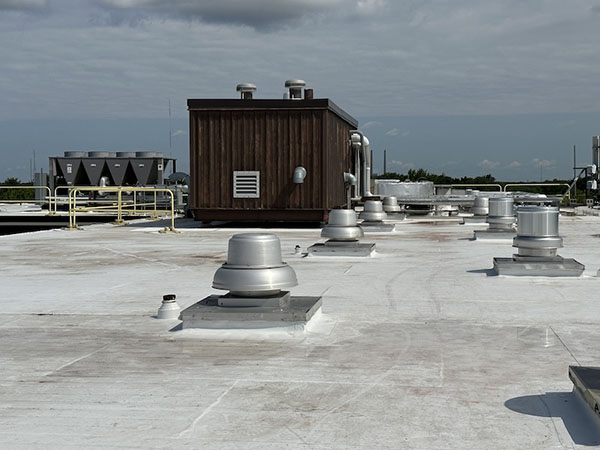
A professional commercial roof inspection gives a property manager a clearer view of the roof’s current condition and the issues that may need attention. For a commercial building in Carmel, IN, that can include reviewing the roof surface, seams, flashing, penetrations, drainage areas, edges, and other visible components that affect performance. CVC Roofing & Sheet Metal provides commercial roofing services in Carmel, including roof inspections through its general commercial roofing scope.
An inspection is most useful when it helps the owner understand what was observed, what may need repair or maintenance, and what should be watched over time. Property managers can contact CVC Roofing & Sheet Metal at (317) 557-0888 to discuss a commercial roof inspection in Carmel.
What a Commercial Roof Inspection May Cover
The inspection scope depends on the building and roof system, but a professional review typically looks beyond one reported trouble spot. Seams, flashing, penetrations, roof edges, drainage areas, and the surface of the roofing system can all provide useful information about current condition.
Rooftop equipment and other penetrations also deserve attention because they create transitions in the roof system. The inspection should consider the condition of the surrounding roofing and flashing without assuming that every penetration is leaking or that every visible defect requires the same repair.
Drainage Conditions Are an Important Part of the Review
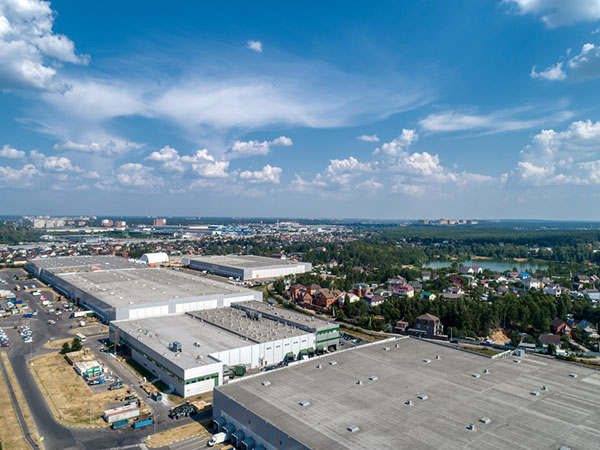
Low-slope commercial roofs depend on effective drainage. During an inspection, visible drains, gutters, scuppers, and areas where water tends to collect can help show whether the drainage path is functioning as intended. Debris, blocked outlets, damaged components, or areas that hold water may justify closer evaluation.
Ponding water does not identify one automatic cause. Roof slope, drainage layout, debris, settlement, or other conditions can contribute, so the next step should be based on what is actually found at the building.
Common Conditions an Inspection Can Identify
A commercial roof inspection may identify loose or deteriorated flashing, open seams, punctures, damaged roof areas, drainage concerns, sealant deterioration, or other visible conditions. The importance of each finding depends on its location, extent, roof system, and surrounding materials.
Visible roof damage should not be treated as a complete diagnosis by itself. Moisture can travel, and some conditions below the roof surface may not be visible during a standard visual inspection. If additional testing or investigation is needed, that should be determined from the specific roof and the concern being evaluated.
When to Consider a Commercial Roof Inspection
An inspection can be useful when a building owner notices a leak, staining, drainage problem, storm-related concern, or visible roof damage. It can also be part of ongoing roof management when the owner wants a current condition check before budgeting for maintenance, repairs, restoration, or replacement.
There is no single inspection frequency that fits every commercial property. Roof age, system type, exposure, building use, previous repairs, weather events, warranty or maintenance documentation, and known problem areas can all influence when another inspection makes sense.
How Property Managers Can Prepare
Property managers can help by arranging safe roof access and sharing relevant information before the inspection. That may include known leak locations, recent repair history, drainage concerns, rooftop equipment work, or areas where building staff have noticed changes.
The goal is to provide useful context so reported symptoms can be compared with visible roof conditions. Any roof access for building staff should follow the property’s safety procedures rather than requiring untrained personnel to inspect the roof themselves.
What to Ask After the Inspection
After the roof has been reviewed, the property manager should understand the significant conditions that were observed and what next steps are being recommended. Useful questions include which areas need attention now, which conditions can be monitored, whether additional investigation is needed, and what work should be included in any proposed repair or maintenance scope.
If documentation is provided, review it alongside any proposal so the recommended work connects clearly to the observed conditions. The format and level of documentation can vary by project, so owners should confirm what will be included rather than assuming every inspection includes the same report, photographs, testing, or priority system.
Use Inspection Findings to Plan Roof Work
An inspection does not automatically mean a repair or replacement is required. Its value is in helping the owner make decisions from the roof’s actual condition. A localized issue may lead to a targeted repair, while broader deterioration or moisture concerns may justify a more extensive roofing discussion.
CVC Roofing & Sheet Metal’s confirmed commercial services include general commercial roofing, metal and standing seam metal installation and replacement, acrylic and silicone coatings and restoration, single-ply installation, insurance claims support, and commercial gutters. The appropriate next step should match the building and roof conditions rather than a one-size-fits-all recommendation.
Commercial Roof Inspections in Carmel, IN
CVC Roofing & Sheet Metal serves Carmel within its confirmed Indiana service area and brings more than 45 years of combined industry experience. A commercial roof inspection can help a property manager establish the roof’s current condition, identify areas that need attention, and make more informed maintenance or project decisions.
To discuss a commercial roof inspection for a Carmel property, contact CVC Roofing & Sheet Metal at (317) 557-0888.
Frequently Asked Questions
How often should a commercial roof be inspected?
There is no universal schedule. Inspection timing should reflect the roof system, age, exposure, known issues, maintenance documentation, and significant weather or building events.
Will a commercial roof inspection disrupt business operations?
That depends on the building and access requirements. Property managers should confirm roof access, staging, and any operational considerations with the contractor before the visit.
What roof areas are commonly reviewed during an inspection?
Visible roof surfaces, seams, flashing, penetrations, edges, drainage areas, and surrounding conditions may all be reviewed depending on the building and inspection scope.
What should I do with the inspection findings?
Use the findings to clarify which conditions need attention, what can be monitored, and whether repairs, maintenance, further investigation, restoration, or replacement should be considered.