 Quality Services,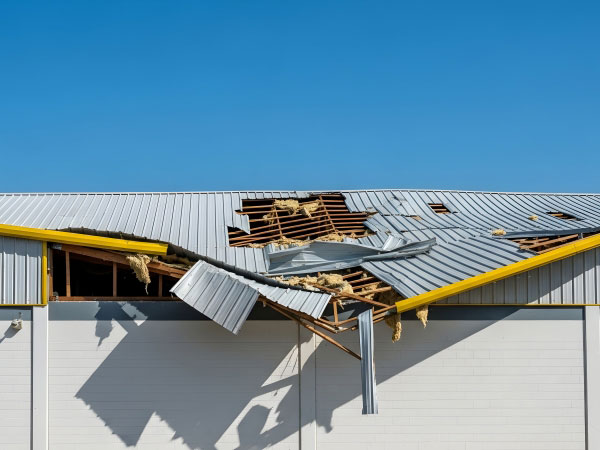
Storm damage to a commercial roof can create two separate tasks for an Avon, IN property owner: protecting the building from additional damage and documenting the conditions for an insurance claim. CVC Roofing & Sheet Metal can document visible roof conditions and provide roofing information that may support the claim process, but coverage decisions remain with the insurance carrier under the policy.
Property owners can call (317) 557-0888 to discuss a post-storm roof assessment and the documentation needed for the roofing scope.
Protect the Building Without Assuming Coverage
If storm damage has created an active leak or exposed area, the first priority is limiting additional damage when it is safe to do so. Temporary protection may be appropriate in some situations, but the method should fit the roof system and site conditions.
Before authorizing emergency work, review the policy instructions and contact the carrier when practical. Policy terms can differ, so do not assume that a particular temporary repair, emergency cost, or contractor service will automatically be covered or reimbursed.
Document Visible Conditions as Soon as Practical
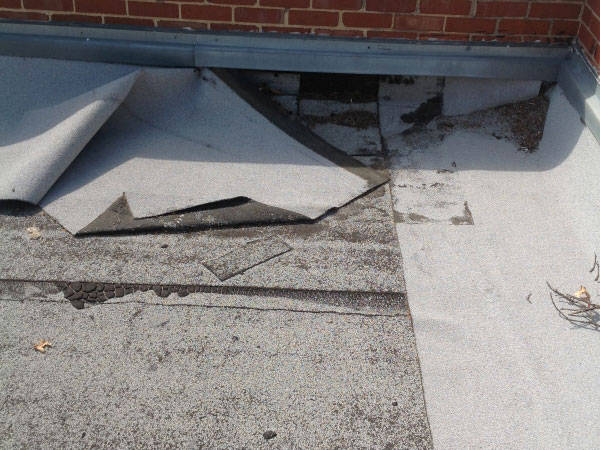
Photos and written notes can help preserve a record of what was observed after the storm. Useful documentation may include visible roof damage, debris, displaced materials, damaged flashing or edge components, interior staining, wet finishes, and the location of affected areas.
Property owners should avoid unsafe roof access. Ground-level and interior documentation can be useful, while a qualified roofing contractor can document roof conditions that require professional access.
Report the Loss According to the Policy
Insurance policies can contain notice requirements, duties after a loss, documentation requirements, deductibles, exclusions, and other claim conditions. The timing and process are policy-specific, so a property owner should follow the carrier’s instructions rather than rely on a generic reporting deadline.
When opening a claim, keep the claim number, carrier contact information, date of loss used by the carrier, and copies of correspondence in one place. That creates a clear record for later conversations with the adjuster and roofing contractor.
What a Commercial Roof Assessment Can Document
A post-storm roof assessment can document membrane condition, seams, flashing, penetrations, roof edges, drains, rooftop equipment areas, and other visible conditions relevant to the roofing system. The contractor can also note the type and location of observed damage and identify areas that may need repair, further investigation, or temporary protection.
CVC Roofing & Sheet Metal’s commercial roof inspection guidance for Indianapolis provides related context for documenting commercial roof conditions and organizing findings for next-step decisions.
Keep Cause, Condition, and Coverage Separate
A roofing contractor can describe what is visible on the roof and explain how the roofing system may need to be repaired. That does not mean the contractor decides whether the policy covers the loss or what amount the insurer will pay.
The carrier and adjuster evaluate the claim under the policy. If there is a disagreement about coverage, interpretation, valuation, or legal rights, the property owner may need guidance from the appropriate insurance or legal professional rather than relying on the roofing contractor to resolve it.
Coordinate With the Adjuster Without Overstating the Contractor’s Role
A contractor’s photos, measurements, roof-system information, and repair scope can give the adjuster useful roofing context. If the carrier permits or requests contractor participation during an inspection, the contractor may be available to explain observed roof conditions and the proposed roofing work.
The contractor should not promise that the adjuster will accept a particular finding, approve a specific scope, or value the claim a certain way. The purpose of the roofing documentation is to describe the building condition accurately.
Track Temporary Work and Permanent Repair Separately
If temporary work is performed, keep invoices, photos, dates, and a description of what was done. That preserves a record of the condition before and after temporary protection. Whether those costs are covered is determined under the policy and carrier decision.
Permanent repair should be based on the actual roof condition, not only on the claim process. CVC Roofing & Sheet Metal’s commercial roof repair content for Indianapolis provides related context for defining a repair around the damaged area and surrounding roof condition.
Maintain One Record of the Roof and Claim Documents
Keep contractor reports, photos, estimates, carrier correspondence, adjuster notes, invoices, and repair records together. A complete file makes it easier to track what was observed, what work was authorized, and what information was provided during the claim.
CVC Roofing & Sheet Metal’s commercial roofing services page for Indianapolis also explains the value of consistent roof records across inspections, repairs, and future planning.
Commercial Roof Insurance Claims Support in Avon, IN
CVC Roofing & Sheet Metal confirms Insurance Claims Support within its commercial service scope. For an Avon property, that support should stay focused on documenting roof conditions, explaining the roofing scope, and providing information the property owner can share with the carrier.
Call (317) 557-0888 to discuss a post-storm roof assessment. Coverage, claim valuation, and approval remain decisions for the insurance carrier under the applicable policy.
Frequently Asked Questions
Does CVC Roofing decide whether my roof damage is covered?
No. CVC Roofing can document roof conditions and the repair scope, but coverage and claim decisions are made by the insurance carrier under the policy.
How soon should storm damage be documented?
Document conditions as soon as practical and safe, then follow the reporting instructions in your policy and from your carrier. Do not rely on a generic deadline for every claim.
Should I make temporary repairs before the adjuster visits?
Temporary protection may be appropriate to limit additional damage, but the method and claim handling should follow the roof conditions, safety needs, policy terms, and carrier instructions.
What records should I keep for a commercial roof claim?
Keep photos, contractor reports, estimates, invoices, claim correspondence, adjuster information, and records of temporary and permanent work in one file.