 Quality Services,

Commercial roof repair in Muncie, IN starts by identifying the defect, determining how far it extends, and matching the repair to the existing roof system. Leaks may be associated with damaged seams, flashing, penetrations or drainage details, although an interior stain alone does not identify the entry point. CVC Roofing & Sheet Metal serves Muncie as part of its Indiana commercial service area, and provides commercial roof repairs as part of its roofing services. The appropriate repair scope depends on roof conditions rather than a single standard patch.
This article explains common repair conditions, differences among membrane systems, and when a broader roof assessment may be more useful than another isolated patch. Property managers and building owners who understand those points can compare repair proposals on the work itself. For a roof you want looked at now, call (317) 557-0888.
Common Commercial Roof Repairs on Flat and Low Slope Roofs
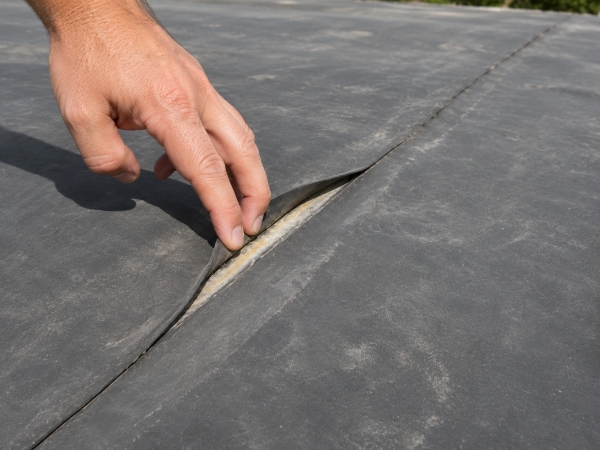
On commercial low-slope roofs, repair work commonly focuses on the following components. Each symptom deserves evaluation before a cause is assigned.
- Seams and laps. A separated or damaged seam can admit water that later appears at a different interior location.
- Flashing and terminations. Parapet walls, curbs, wall intersections and edge metal have transitions and attachment points that can loosen, deteriorate or separate.
- Penetrations. Pipes, vents, conduit, rooftop units and drains require appropriate flashing details. Changes to equipment or poor transitions can introduce leaks.
- Punctures and tears. Service traffic, tools and storm debris may cause localized membrane damage.
- Ponding water. Persistent standing water can signal blocked drainage, inadequate slope or settlement. The cause and structural implications, if any, require building-specific evaluation.
- Blisters and splits. Blisters, splits and displaced material can have different causes depending on the roof assembly and should not automatically be treated as a surface-only defect.
Finding the Real Source of a Leak
The place where a ceiling stain appears may differ from the actual roof entry point. Water can move along decking, insulation interfaces or other assembly components before it becomes visible indoors. Treating a stain as proof of a specific exterior defect risks overlooking the cause.
A useful assessment documents the interior symptom, reviews accessible roof areas and considers possible water paths. Depending on the system and site conditions, evaluation may cover membrane seams, flashing and termination details, drains, gutters, scuppers and recently changed rooftop equipment. Suspected moisture below the membrane may require additional investigation before the repair area can be defined. Surface sealant does not correct wet insulation; affected materials may need removal and replacement where confirmed.
Repair Methods by Roof System
The right repair depends on what is on the roof. A patch must use materials and preparation methods compatible with the actual membrane and its condition. Incompatible products can compromise the repair.
| Roof system | Typical repair approach | What to watch for |
|---|---|---|
| TPO | Clean the area, then heat weld a compatible TPO patch or flashing piece over the damage | Cleaning, preparation and weldability of the existing membrane should be assessed |
| PVC | Weld a PVC patch or detail piece to cleaned membrane | Use compatible PVC accessories and assess whether the existing surface can form a proper weld |
| EPDM | Use compatible EPDM repair membrane, primers, tapes or bonding materials as specified for the assembly | Examine seams, wall terminations and any observed membrane movement |
| Coated or built up roofs | Repair defects with a system-compatible method; consider coating only when the assembly is suitable | Moisture, adhesion, substrate condition and unresolved leaks must be addressed first |
CVC describes TPO, PVC and EPDM commercial systems on its page about single-ply roofing systems explains the TPO, PVC and EPDM options in more detail. Knowing which membrane you have is the first step in matching a repair to it.
Flashing, Drains and the Details Around the Roof
A membrane field may remain serviceable while an edge, penetration or drainage detail needs work. Rooftop equipment changes, new conduit and drain blockages create areas worth examining during a leak assessment.
Depending on the defect, flashing work might involve replacing compatible boots or flashing, repairing a curb corner, or restoring a sound termination. Drain-related work may involve removing obstruction, repairing the drain-to-membrane connection or addressing the roof slope through a separately defined scope. Cleaning a drain will not resolve an incorrectly detailed outlet, just as adding sealant will not remedy damaged backing.
Repair or Replacement for a Muncie Commercial Roof
When comparing alternatives, ask for the extent of the affected area, the basis for any moisture findings and the condition of adjacent membrane, insulation, flashing and substrate. A proposal for one seam should not imply it resolves unrelated roof sections. Equally, the presence of a roof leak alone does not establish that every part of the roof needs to be removed.
A localized repair is a reasonable option when the defect can be defined, compatible materials can be installed and surrounding components remain serviceable. Repeated leaks, extensive membrane deterioration, confirmed widespread wet insulation or compromised substrate call for a broader assessment. These findings do not automatically require full replacement; they indicate that the scope may extend beyond an isolated patch.
A roof coating is a separate restoration approach, not a universal middle step between repair and replacement. On a compatible and sufficiently sound roof, a coating may be considered after necessary repairs, moisture assessment, drainage review and surface preparation. CVC’s commercial roofing page covers repairs, coatings and preventative maintenance, which helps owners see how these options fit together.
Planning Repairs Around an Operating Building
Commercial roof repairs may need to be coordinated around occupied spaces, deliveries, equipment access and weather. Where immediate permanent work is unsuitable, a contractor may recommend an appropriate temporary measure and a separate permanent scope. Project documentation should distinguish observed conditions, completed repairs, any concealed conditions still uncertain and areas requiring monitoring.
Before work begins, a written proposal should identify the repair locations, documented defect, applicable membrane, preparation, compatible method, access provisions, exclusions and change-order procedure. It should also describe how completed work will be checked and how any uncovered wet material or damaged substrate will be addressed.
Serving Muncie and the Surrounding Region
Muncie is one of the cities in CVC’s Indiana service area. The locations page shows where CVC works around Indiana, and its commercial service information covers repair, maintenance, replacement and coating evaluation. Building owners in Muncie can call (317) 557-0888 to discuss a leak, a repair question or a roof that needs a closer look.
Frequently Asked Questions
How do I know if my Muncie commercial roof can be repaired instead of replaced?
Repair may be practical when a defect is limited and surrounding materials are serviceable. Widespread wet insulation, extensive membrane deterioration or repeated leaks warrant a broader assessment before the scope is chosen.
Why does my commercial roof keep leaking after a repair?
A recurring leak may indicate an unresolved entry point, a new defect or damage extending beyond the prior repair. The building and roof should be evaluated before deciding which explanation fits.
Can a flat roof be repaired in cold weather?
Some work may be possible, but temperatures, moisture, wind and product-specific installation limits can restrict repairs. The contractor should explain any temporary work and conditions required for a lasting repair.
Does a repair or coating change the roof’s warranty?
It can. It depends on the applicable written terms and repair method. Review any existing warranty documents for material, installer, notification and maintenance conditions before authorizing work.