 Quality Services,
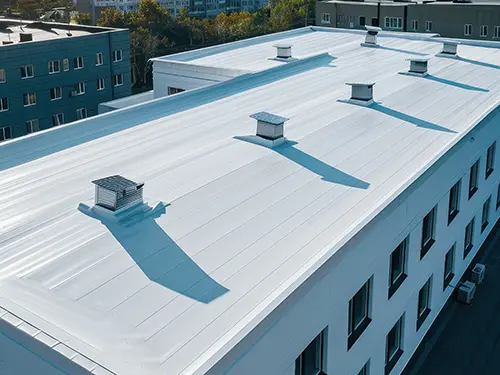
Commercial building owners and facility managers choosing a low slope roof are usually weighing performance, service life and cost at the same time. Single-ply roofing systems are a strong option for many of these buildings, but their value depends on how well the membrane matches the roof it goes on. The same TPO, PVC or EPDM sheet can perform very differently on a dry, well-drained roof than on one with wet insulation and ponding water.
CVC Roofing installs and services TPO, PVC and EPDM single-ply systems for commercial buildings across Indiana. This article explains where single-ply value comes from, how the main membranes differ, and what to confirm about your own roof before comparing proposals. To talk through a specific building, call 317-557-0888.
Why Single-Ply Roofing Offers Exceptional Value
Initial Investment vs. Long-Term Return
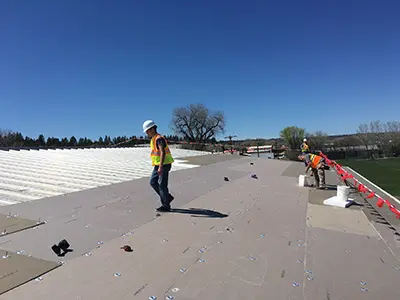
A single-ply membrane may be comparatively light, but a completed roof assembly still includes insulation, cover boards, attachment and other materials. Its installed price and the amount of disruption depend on existing-roof removal, access, repair allowances and building operations. Large membrane sheets can help cover open areas efficiently, but that alone does not establish a lower labor bill or longer service life. Compare total specifications and excluded work across proposals rather than membrane cost alone.
Energy Efficiency
TPO and PVC membranes are commonly specified in white or light colors that reflect sunlight, which can reduce heat absorbed through the roof in summer. Savings depend on insulation, building use, mechanical systems and roof size, so they should be treated as a possible benefit and not a guaranteed figure. EPDM is usually black. Its heat absorption can be helpful in cold weather but may add to cooling loads in summer, so building use and insulation should guide the choice.
Return on Investment
Assess long-term value through the roof condition, preparation requirements, expected maintenance, repair accessibility and written product terms. Indiana roofs experience seasonal snow, freeze-thaw changes, wind and summer heat; membrane attachment, seam integrity, perimeter securement and flashing details must suit those conditions. Neither a reflective finish nor a named membrane establishes a particular return on investment.
Warranty Coverage
Manufacturer and contractor warranties, when offered, have different issuers, scope and exclusions. Request the actual documents before signing and confirm the covered assembly, any maintenance or inspection duties, registration requirements and responsibility for leak investigation. A roof installed with a specified product does not automatically qualify for every manufacturer coverage program.
What to Check Before Choosing a Single-Ply System
System selection should start with the roof, not the membrane brochure. The table below lists the conditions that most often decide which single-ply approach fits.
| Roof condition | Why it matters | What to confirm |
|---|---|---|
| Substrate and deck condition | Concealed wet insulation or deteriorated decking can make an otherwise suitable assembly ineligible for recover or installation | Document accessible deck conditions and any suitable moisture testing; correct confirmed damage before covering |
| Drainage | Standing water calls for examination of roof slope, outlets and the selected system’s drainage limits | State whether drains, scuppers, slope correction or tapered insulation are actually included |
| Attachment method | Adhered, mechanically attached and, where approved, ballasted assemblies impose different structural and wind-uplift requirements | Specify the attachment design, deck suitability, fastening details and any structural review required |
| Insulation | It affects energy performance, board compatibility and membrane support | Insulation type, thickness and cover board are listed |
| Rooftop activity | Frequent foot traffic and equipment service can puncture or scuff a membrane | Walkway pads and protection are planned where service routes run |
| Exposure to grease or chemicals | Exhaust fans and process vents can attack some membranes | Identify likely contaminants and verify the exact product’s compatibility with manufacturer guidance |
| Detailing and service access | Leaks may occur at membrane seams, flashings, drains, walls and penetrations; safe repair access matters | Describe approved flashing and repair methods and plan how future roof service will be accessed |
Attachment, Drainage and Changes in Scope
Attachment methods are not interchangeable. Fully adhered and mechanically attached assemblies have different requirements for deck condition, adhesives or fasteners, insulation and wind-uplift design. Ballasted systems are options only when the structure, roof geometry and approved assembly permit the weight and edge detailing. The proposal should identify the tested or approved assembly, not simply promise that a membrane will resist wind.
If the existing roof has repeated ponding, ask what is obstructing drainage and whether slope, drains, scuppers or tapered insulation are included in the project. A new membrane does not create positive drainage by itself. Investigations of suspected wet insulation should identify the method and its limitations. Where removal reveals deteriorated decking, require agreed procedures for documenting quantities, obtaining approval and pricing added work before it proceeds.
Comparing the Written Roof Assembly
The same membrane family can be proposed with different thicknesses, insulation, cover boards, fastening patterns and flashing details. To compare bids, identify the specified product, roof areas, base and alternate work, the system’s attachment method, roof-edge and penetration details, access protections and exclusions. Ask whether the scope includes repair of wet insulation, deck defects, drainage transitions and material protection around operating equipment.
For an occupied building, clarify how installers will stage materials, protect entrances and mechanical air intakes, manage noise or odors and leave each opened section temporarily watertight. Closeout checks should cover completed seams, terminations, drainage and roof-surface damage against the stated specification. Any written reports, photographs or warranty documents must be agreed deliverables rather than assumed for every project.
Key Single-Ply Roofing Systems
TPO (Thermoplastic Polyolefin)
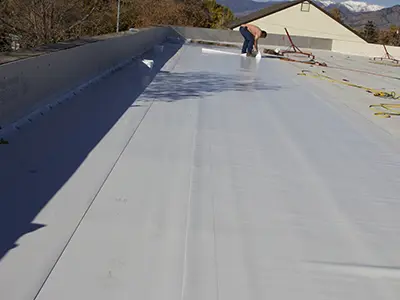
TPO is a thermoplastic membrane commonly supplied in reflective colors and installed with heat-welded seams. Weld quality depends on correct preparation, welding conditions and checks. Compatible TPO membrane patches and flashings are used for appropriate repairs; another single-ply material should not be substituted without a specified approved detail. Products, membrane thicknesses and tested assemblies vary, so a generic TPO label is not a complete specification.
PVC (Polyvinyl Chloride)
PVC uses heat-welded seams and is considered for roofs exposed to grease, oils or some process contaminants. Chemical resistance is specific to the proposed formulation and substances present, so ask for the manufacturer’s compatibility guidance instead of assuming universal resistance. PVC patches and flashing components must suit the installed PVC system; PVC and TPO repair materials are not automatically interchangeable. Reflectivity depends on the selected surface color and condition.
EPDM (Ethylene Propylene Diene Monomer)
EPDM is a synthetic rubber membrane used on low-slope commercial roofs and known for flexibility. Field seams are generally joined with specified primer, tape or adhesives rather than heat welding. Compatible patches, bonding products and flashing details are important to repairs. Black EPDM absorbs more sunlight than many white membranes, but whether that helps or hurts building energy use depends on insulation and seasonal loads. Its movement and terminations at walls, curbs and drains deserve project-specific review.
CVC’s page on single-ply roofing systems gives an overview of the membranes it installs, and its new construction page covers roofing planned alongside a new building.
Maintenance for Maximum Performance
Single-ply roofs still need maintenance appropriate to their assembly, exposure, warranty terms and building activity. A documented plan may include:
- Agree on an inspection interval based on the roof condition, storm exposure and any actual warranty terms
- Removing debris and keeping drains, scuppers and gutters clear
- Repairing seam separations, punctures and damaged flashing promptly with materials that match the membrane
- Reviewing flashing and penetrations after rooftop equipment is moved or serviced and making compatible repairs as needed
Inspection and repair records can help owners track conditions and meet any actual warranty obligations. Roof-mounted equipment changes and foot traffic can affect membranes; keep a record of who accessed the roof and what work occurred. CVC’s commercial roofing page describes repairs, coatings and preventative maintenance for existing roofs.
Single-Ply Roofing Experts
CVC Roofing serves commercial property owners in Indiana and reports more than 45 years of combined industry experience. The useful question is which TPO, PVC or EPDM assembly meets the building’s needs, including insulation, attachment, drainage, flashing and service access. A written evaluation should distinguish observations from any concealed conditions that require further investigation.
To discuss a single-ply system for your building, call 317-557-0888.
Frequently Asked Questions
How long does it take to install a single-ply roof on a commercial building?
Installation time depends on removal requirements, roof size and complexity, repairs to the deck or insulation, crew access and weather. A proposal should include a realistic sequence and how opened areas will be protected each day, rather than relying on a universal number of days.
Can single-ply membranes be installed over an existing roof?
Sometimes. A recover requires a suitable existing roof and deck, acceptable moisture conditions, structural and attachment capacity, code-compliant layer limits and an approved system design. Wet or deteriorated materials must be addressed rather than simply covered.
Are single-ply roofing systems environmentally friendly?
Some light-colored membranes have tested solar reflectance values, but the actual rating belongs to the specified product. Energy results depend on insulation, climate and building operations. Recycling opportunities vary with the material and the available collection and processing options; do not assume a whole roof is recyclable.
Which single-ply membrane is best for my building?
Consider roof condition, drainage, building use, chemical and grease exposure, installation access, rooftop traffic, insulation requirements and material compatibility. A written assembly specification and examination of the existing roof provide a stronger basis than a membrane name.