 Quality Services,
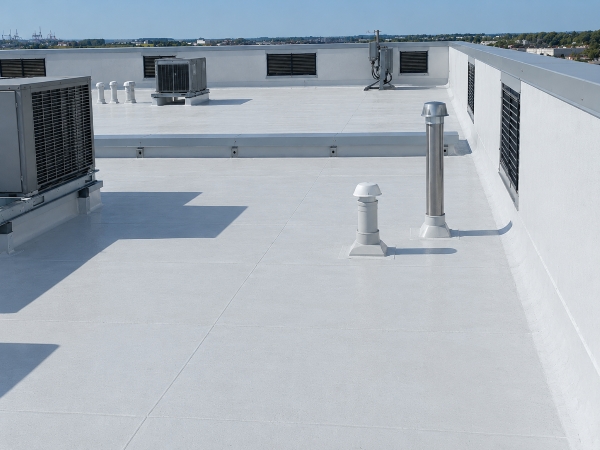
Silicone roof coating can be a practical restoration option for some flat and low-slope commercial roofs in Brownsburg, IN, but coating suitability depends on the existing roof rather than the coating alone. The roof surface, substrate, moisture conditions, drainage, repair needs, adhesion, and rooftop traffic all affect whether a silicone system makes sense.
CVC Roofing & Sheet Metal provides commercial roof coating and restoration services in Indiana. Property owners can call (317) 557-0888 to discuss whether coating, repair, or replacement best fits the documented condition of a specific roof.
Why Silicone Roof Coating Is Considered for Commercial Roofs
Silicone coatings are used because they can provide a continuous protective surface over a suitable existing roof and can tolerate prolonged moisture exposure better than some other coating chemistries. That can make silicone worth considering on roofs where drainage is imperfect but the underlying assembly remains serviceable.
That does not mean ponding water should be ignored. A coating does not create slope, clear blocked drainage, repair structural deflection, or correct another cause of standing water. Drainage conditions still need to be evaluated before the restoration scope is approved.
Is the Existing Roof a Good Candidate?
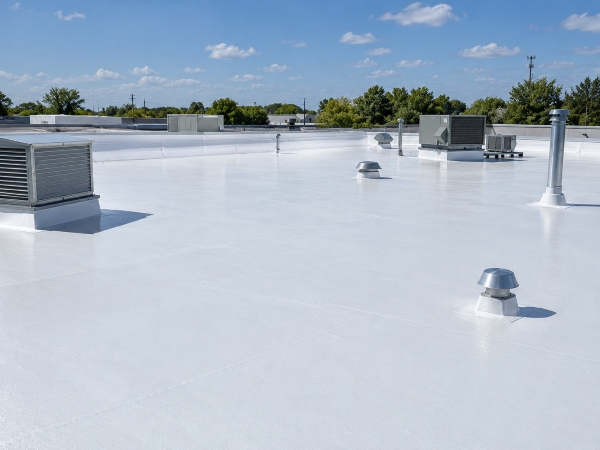
A coating project starts with the condition of the existing roof. The membrane or roof surface must be stable enough to prepare, repair, and coat. The substrate must also be suitable for the proposed system, and existing defects should be addressed rather than covered over.
CVC Roofing’s Roof Coating Anderson article explains this broader candidacy process, including moisture, substrate condition, adhesion, drainage, compatibility, and repair needs.
Moisture Concerns Need Project-Specific Investigation
Wet insulation or concealed moisture can change whether restoration is appropriate, but a visual inspection alone may not show the full extent of the problem. If the roof history, leak pattern, or visible conditions suggest moisture below the surface, the contractor should explain what additional investigation is appropriate for that assembly.
There is no single moisture-survey method that is always required for every roof. The useful goal is to confirm rather than assume the extent of moisture before finalizing a coating scope.
Repairs Should Be Defined Before Coating
Open seams, punctures, failed flashing, deteriorated patches, loose material, or other defects should be identified during preparation. Some localized conditions may be repairable within a restoration project, while widespread deterioration or damaged decking can make replacement more appropriate.
The written proposal should identify what repairs are included before coating and what conditions would trigger a scope change. That helps prevent the coating itself from being treated as a substitute for repair work.
Adhesion and Surface Preparation Matter
Silicone only performs as intended when it can bond to a properly prepared surface. Preparation may include cleaning, removal of loose or incompatible material, repairs, and any primer or adhesion testing required for the existing roof and proposed system.
Compatibility should be confirmed for the specific roof material and any previous coatings or repairs. The contractor should follow the applicable system specification rather than assume that one preparation method fits every roof.
Application Conditions Affect the Work
Weather, surface dryness, temperature, humidity, coating thickness, cure conditions, and detailing can all affect application. The exact limits vary by product and project specification, so scheduling should follow the requirements of the selected system.
A coating project may use one or more application passes depending on the specification, but the important requirement is achieving the approved coverage and thickness rather than assuming a fixed number of coats.
Rooftop Traffic Should Be Part of the Plan
Silicone surfaces can become slippery when wet, so roofs with regular HVAC service, mechanical access, or other rooftop traffic need a traffic-management plan. Walkway protection or another approved detail may be appropriate along service routes.
The contractor should identify expected traffic areas before application so access needs are addressed as part of the system rather than added after the coating is complete.
What Ongoing Maintenance Should Include
A silicone-coated roof still needs inspection and maintenance. Drains and other drainage components should be kept functional, debris should be removed as needed, and repairs should use methods compatible with the installed coating system.
CVC Roofing’s Commercial Roofing Services Indianapolis article provides broader context on maintaining a documented roof history across inspections, repairs, coatings, and future replacement decisions.
When Does Recoating Become Necessary?
There is no universal recoat date for every silicone roof. Future coating work should depend on the installed system, remaining coating condition, roof use, repairs, weather exposure, maintenance history, and any applicable warranty or manufacturer requirements.
Periodic inspection can help identify when the coating is wearing, damaged, or no longer providing the intended surface protection. Recoating should follow actual condition rather than a fixed calendar assumption.
Silicone Roof Coating in Brownsburg, IN
For a Brownsburg commercial property, silicone coating is worth considering when the existing roof remains a sound restoration candidate after necessary repairs. Moisture, substrate condition, adhesion, drainage, compatibility, traffic, and application requirements should all be understood before the project moves forward.
Call CVC Roofing & Sheet Metal at (317) 557-0888 to discuss a silicone roof coating assessment for your building.
Frequently Asked Questions
Is silicone roof coating better than other coating types?
Not for every roof. Silicone can be well suited to some moisture-exposed conditions, but compatibility, traffic, roof condition, and the project specification should guide the choice.
Can silicone coating be applied over any existing commercial roof?
No. The existing surface, substrate, moisture conditions, repairs, drainage, and adhesion requirements all need to support restoration before coating is approved.
Does ponding water automatically mean silicone is the right choice?
No. Silicone may tolerate prolonged moisture exposure, but the cause of ponding should still be evaluated because coating does not correct drainage or structural problems.
Does a silicone-coated roof still need maintenance?
Yes. Drainage, surface condition, traffic areas, repairs, and coating wear should continue to be monitored based on the roof’s actual condition.