 Quality Services,
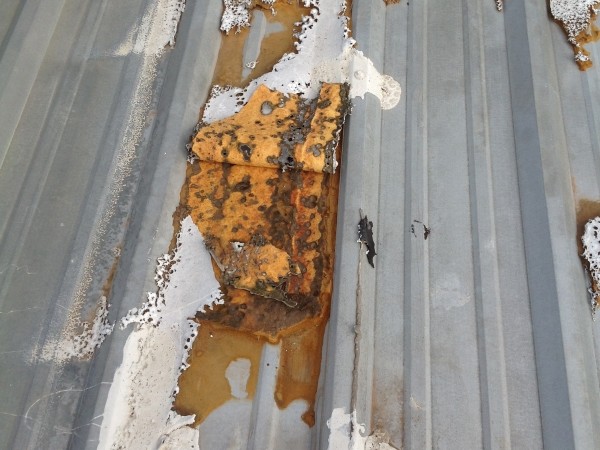
Commercial roof maintenance is a planned routine of inspecting, cleaning, documenting, and addressing minor service items so a flat or low-slope roof is monitored and maintained over time. For Greenwood, IN property owners and managers, CVC Roofing & Sheet Metal can help organize that routine around a schedule, written scope, and service records rather than relying only on leak-driven visits. The goal is to document developing conditions early and keep a clear history of inspections, service work, leaks, and recurring areas.
Commercial roof problems can develop gradually as drainage, sealants, seams, flashings, penetrations, and traffic areas change over time. A maintenance plan puts those checks on a defined schedule and assigns responsibility for records and follow-up, which can be useful for both single-building owners and multi-property managers.
What a Maintenance Program Should Cover
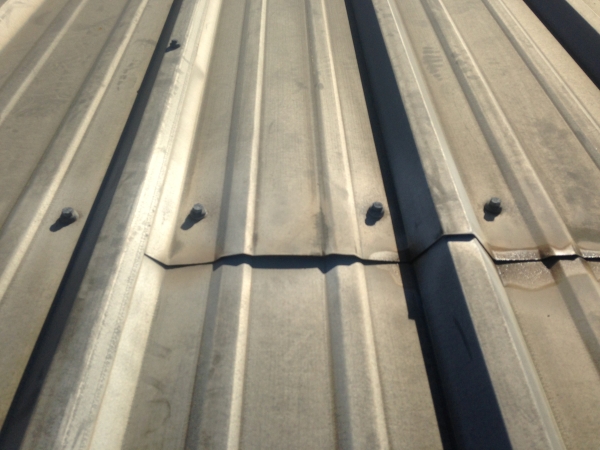
A useful program is defined in writing so everyone knows what is included. At a minimum it should address:
- Scheduled visits: a routine based on the roof system, age, condition, building use, exposure, and any written maintenance requirements, with additional checks when conditions warrant.
- Drainage: clearing drains, scuppers, and gutters, and noting any standing water.
- Surface and seams: checking the membrane or coating for punctures, blisters, cracks, and open seams.
- Flashings and penetrations: looking at walls, curbs, vents, pipes, and equipment bases, where leaks often begin.
- Minor service items: limited work that falls within the agreed maintenance scope, with larger repairs or separate scopes documented for approval.
- Records: dated notes and photographs for every visit.
A Seasonal Plan for Greenwood Roofs
Central Indiana roofs can face heavy rain, summer heat, leaves and debris, winter cold, snow, ice, and repeated temperature changes. A maintenance schedule should account for those exposures without assuming the same calendar fits every roof. The table shows one way to organize the year, which can be adjusted for the building and roof type.
| When | Focus | Typical Tasks |
|---|---|---|
| Spring review | Post-winter condition | Review drainage, seams, flashings, sealants, penetrations, and visible changes after winter weather. |
| Warm-weather review | Traffic and rooftop service | Check service routes, equipment areas, penetrations, and any surface or detail changes tied to rooftop activity. |
| Fall review | Drainage and debris | Clear accessible drainage obstructions and document conditions that need repair before winter weather. |
| After significant weather | Visible change | Document impact, wind, drainage, edge, or debris-related changes that may need professional evaluation. |
| After rooftop work | Service-area condition | Document punctures, displaced materials, debris, or other changes near access and equipment areas. |
What Owners and Managers Can Do Between Visits
Building staff can support the program by documenting conditions and controlling access, without performing roof work they are not trained or authorized to do. Keep a log of any leak reports, interior stains, or ceiling tile changes with dates and locations. Limit roof access to people who need it, and require that other contractors report any damage they cause. Leave roof-surface work, membrane handling, drainage clearing from roof level, and other rooftop maintenance to trained personnel using appropriate safety procedures. This log makes the next professional visit more productive because the roofer can start from known trouble spots.
Records, Warranties, and Budget Planning
Written records can show how conditions change over time, distinguish recurring problems from isolated events, and support future repair, restoration, or replacement planning. If warranty documents apply, review the actual terms because they may include maintenance, inspection, reporting, or documentation requirements. Maintenance records can also support budget planning by showing which conditions recur, which repairs were completed, and where broader work may eventually be needed.
Questions to Settle in a Maintenance Scope
Before agreeing to a routine, it helps to put the details in writing. A short list of questions keeps expectations clear on both sides:
- What schedule is proposed, and what roof condition, weather event, building use, or written requirement would trigger an additional visit?
- Which tasks are included, such as drainage review, limited sealant work, minor repairs, documentation, or separate repair recommendations?
- How are larger problems reported, and who must approve work beyond the routine scope?
- What records or photographs will be delivered after each visit?
- How will the work protect any existing warranty, and who keeps the paperwork?
Answers to these questions turn a general promise of upkeep into a plan that can be reviewed and measured.
When Maintenance Points to Repair, Coating, or Replacement
Maintenance can support serviceability and condition tracking, but it does not correct every defect or eliminate the need for larger work when the roof condition requires it. A visit may uncover a problem that needs more than a patch. Localized defects may call for flat roof repair when the surrounding roof assembly remains serviceable. A roof coating may be considered when moisture, adhesion, substrate, drainage, compatibility, and overall roof condition support that scope. Widespread deterioration, recurring leaks, broad moisture involvement, or substrate and attachment problems can justify comparing flat roof replacement with repair or restoration options. A documented roof inspection can help establish which options deserve further evaluation.
Commercial Roof Maintenance in Greenwood, IN
Owners and managers of Greenwood commercial buildings can reach CVC Roofing & Sheet Metal at (317) 557-0888 for commercial roof maintenance service. For general service information, see the commercial roofing Greenwood page and the Greenwood location page. It helps to have the roof type and age, past repair records, and any known leak locations ready.
Frequently Asked Questions
How often should a commercial roof in Greenwood be maintained?
There is no single interval for every roof. The schedule should reflect the roof system, age, condition, building use, exposure, prior repairs, and any written maintenance requirements.
What records should be kept for roof maintenance?
Dated notes and photos from each visit, a list of repairs, leak reports, and copies of warranty or inspection documents.
Can building staff handle any roof maintenance?
Staff can log leaks, interior symptoms, access events, and reported damage. Rooftop maintenance and work on membranes, seams, flashings, or drainage should be handled by trained personnel using appropriate safety procedures.
Does maintenance replace the need for a new roof?
No. Maintenance helps document and address developing conditions, but widespread deterioration, moisture, substrate, or attachment problems can still require repair, restoration, or replacement.