 Quality Services,
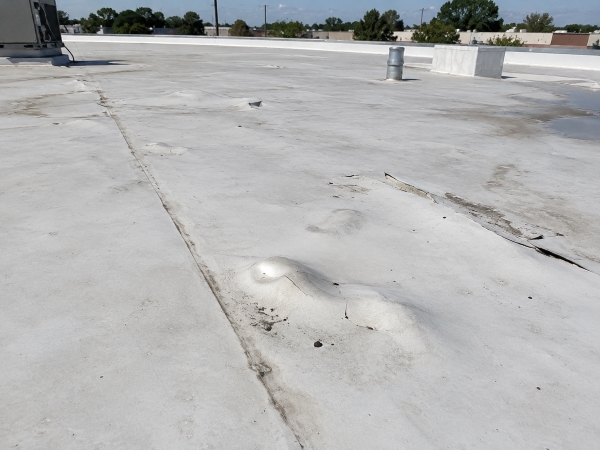
Commercial roof maintenance in Lafayette, IN should be built around the condition of the roof, the roofing system, drainage, repair history, rooftop traffic, and any written maintenance requirements that apply. CVC Roofing & Sheet Metal serves commercial properties in Lafayette and provides general commercial roofing, coatings, single-ply roofing, and related roof services.
A useful maintenance routine identifies what will be checked, what cleaning or minor upkeep is included, what findings need a separate repair scope, and how conditions will be documented over time. The goal is not to follow one fixed schedule for every building, but to create a repeatable process that matches the roof and gives the owner a clear basis for deciding what needs attention next.
What Commercial Roof Maintenance Includes
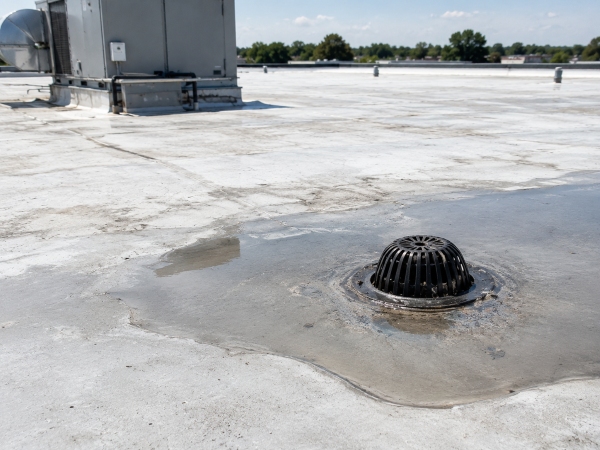
The exact checklist should reflect the roof system, but common maintenance areas include:
- Drainage: reviewing drains, scuppers, gutters, downspouts, and low areas for debris or recurring water accumulation.
- Roof surface: checking for punctures, splits, worn areas, coating changes, or other visible deterioration appropriate to the installed system.
- Seams and laps: looking for visible separation, movement, or other changes that may need closer evaluation.
- Flashing and penetrations: reviewing walls, curbs, vents, pipes, roof edges, and rooftop equipment transitions.
- Sealants: checking system-specific sealed details for cracking, separation, or deterioration.
- Rooftop traffic areas: reviewing service paths and equipment zones where repeated foot traffic can increase wear.
- Previous repairs: comparing repaired areas with surrounding materials to see whether conditions remain stable or are recurring.
Routine maintenance may include minor upkeep such as clearing debris or addressing a small maintenance item when that work is part of the agreed scope. Larger defects should move into a defined repair scope instead of being treated as ordinary maintenance.
How Often Should a Lafayette Commercial Roof Be Checked?
There is no single maintenance interval that fits every commercial roof. The schedule should reflect the roof system, age, current condition, repair history, rooftop traffic, surrounding debris, weather exposure, and any written maintenance or warranty requirements that apply.
Seasonal planning can be useful for organizing work, particularly before or after periods when debris, cold weather, or heavy rain may affect drainage and roof details. Additional evaluation may also be appropriate after a new leak, visible damage, substantial rooftop work, drainage changes, or a severe weather event that gives the owner a specific reason to suspect the roof was affected.
| Maintenance Trigger | What to Review |
|---|---|
| Planned condition review | Seams, flashing, penetrations, roof surface, edges, drainage, previous repairs, and traffic areas. |
| After suspected weather damage | Visible punctures, displaced materials, roof edges, flashing, debris, drainage, and any new interior symptoms. |
| After rooftop trade work | Service paths, curbs, penetrations, dropped-object damage, altered details, and leftover debris. |
| When a leak or drainage change appears | Reported leak areas, nearby seams and flashing, drains, low areas, and relevant interior evidence. |
Drainage Problems Need Their Own Follow-Up
Blocked drainage can often be corrected during routine maintenance, but recurring ponding or slow drainage deserves a closer look. Low areas, settlement, outlet elevation, slope, drain configuration, or other building conditions may contribute to the problem.
Maintenance can document the pattern and keep outlets clear, but it does not automatically correct the underlying cause. If water continues to collect after routine cleaning, the contractor should explain whether a separate drainage or repair scope is needed.
Maintenance, Inspection, and Repair Are Different Scopes
Maintenance is planned care for a roof that remains serviceable. A more detailed roof inspection may be appropriate when the roof is aging, a leak source is uncertain, damage is suspected, or the owner needs a broader condition assessment. Repair addresses a specific defect or damaged area that requires corrective work.
For example, clearing debris from a drain may be routine maintenance. Rebuilding failed flashing, replacing damaged membrane, or removing wet insulation is repair work. If a defect is localized, a defined flat roof repair may be appropriate. If the same problem keeps returning, the next step should be a broader condition review rather than another automatic patch.
Moisture Concerns Should Be Confirmed Before Setting Scope
An interior stain or visible roof defect can indicate water entry, but it does not show how far moisture has traveled within the roof assembly. Suspected wet insulation or substrate damage should be evaluated before the owner assumes that a small surface opening is the whole problem.
The repair scope may remain localized when surrounding materials are serviceable. If moisture or damage extends farther than expected, the work can change. Maintenance is useful for identifying conditions that need attention, but it is not a substitute for confirming concealed moisture when that question affects the repair or replacement decision.
When Maintenance Findings Point to Coating
A roof that remains a suitable restoration candidate may be considered for a roof coating, depending on moisture, adhesion, substrate condition, drainage, compatibility, and required repairs. A coating should not be treated as a substitute for correcting wet materials, failed flashing, damaged decking, or unresolved drainage conditions.
Maintenance records can help show whether problem areas are stable, recurring, or spreading, which gives the owner better information when comparing continued maintenance with restoration.
When Replacement Becomes Part of the Discussion
Repeated failures in several roof areas, broad membrane deterioration, suspected moisture beyond isolated defects, or substrate concerns may justify comparing a larger repair or flat roof replacement scope. Those findings do not automatically mean the roof must be replaced, but they are reasons to look beyond routine maintenance alone.
The decision should follow actual roof condition rather than age by itself. A maintenance history can be useful because it shows what has been repaired, what has remained stable, and which conditions continue to return.
Keep Records That Support Future Decisions
A useful maintenance record can note the date of service, areas reviewed, observations, work completed, unresolved conditions, and recommended follow-up. Photographs may be part of the agreed documentation, but owners should confirm what the service actually includes rather than assume every visit provides the same report package.
Records help owners compare conditions over time and plan future work. If a warranty or insurance requirement applies, the building owner should review the actual written terms to determine what maintenance or documentation is required.
Commercial Roof Maintenance in Lafayette, IN
CVC Roofing & Sheet Metal provides commercial roofing services for properties in Indiana, including Lafayette. A useful maintenance routine should reflect the roof system, drainage, condition, repair history, rooftop activity, and written requirements that apply to the building.
Property owners can review CVC’s Lafayette, IN service information or call (317) 557-0888 to discuss the roof and the maintenance scope appropriate for the property.
Frequently Asked Questions
How often should a commercial roof in Lafayette be maintained?
The interval should reflect the roof system, current condition, repair history, rooftop activity, weather exposure, debris, and any written maintenance requirements rather than one fixed schedule.
What does a commercial roof maintenance visit usually include?
It may include drainage cleaning, review of seams and flashing, checks of penetrations and traffic areas, review of previous repairs, and minor upkeep that is included in the agreed scope.
Can maintenance replace the need for roof repair?
No. Maintenance is ongoing care for a serviceable roof. When a defect requires corrective work, it should be handled under a defined repair scope.
Does a newer commercial roof still need maintenance?
Yes. Newer roofs can still develop drainage blockages, traffic damage, flashing issues, or other conditions. The maintenance interval should match the roof and any written requirements that apply.