
 Quality Services,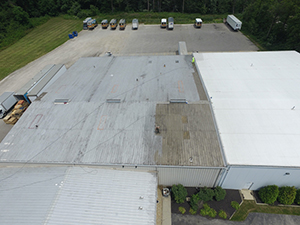
Flat roof sealing is an important part of maintaining commercial roofing systems and protecting vulnerable areas from moisture intrusion. Over time, seams, flashings, penetrations, and other roofing details can experience wear that increases the risk of leaks and water damage. Proper sealing helps reinforce these areas and support long-term roof performance.
For related commercial roofing guidance in Anderson, see EPDM Roof Installation Anderson, IN and commercial roof inspection in Anderson.
CVC Roofing & Sheet Metal provides flat roof sealing services for commercial properties in Anderson, IN. Call (317) 557-0888 to learn more about solutions designed to protect and extend the life of your roofing system.
Routine flat roof sealing can help reduce the risk of leaks, improve roof durability, and support dependable building protection over the long term..
Flat Roof Sealing Stops Repairs Before They Start
Flat roof sealing is preventative maintenance, and that is exactly why it matters. Instead of waiting for leaks to develop and dealing with the cost of repairs and potential interior damage, sealing helps protect the roof’s most vulnerable areas before problems begin. When performed on a regular schedule, it allows property owners to stay ahead of issues rather than reacting to them after severe weather exposes them.
While repairs address damage that has already occurred, flat roof sealing focuses on preventing that damage in the first place. By reinforcing seams, flashings, penetrations, and other common failure points, sealing helps extend roof life and reduce the likelihood of unexpected leaks. For commercial property owners, this proactive approach is often far more cost-effective than repeatedly addressing preventable roofing problems over time.
Where Flat Roofs Let Water In
Flat roofs tend to develop leaks in a few predictable areas, which is why sealing focuses on specific vulnerable points rather than the entire roof surface. Seams between membrane sheets are among the most common trouble spots because natural expansion, contraction, and weather exposure can cause them to separate over time. Roof penetrations, including pipes, vents, and equipment supports, are another frequent source of leaks because they depend on boots, collars, and sealants to maintain a watertight barrier.
Flashings and drainage areas also require close attention. Flashing protects the transitions where the roof meets walls, curbs, parapets, and other vertical surfaces, making it especially susceptible to movement and weather-related wear. Drains and surrounding low spots often experience prolonged exposure to standing water, which places additional stress on nearby seals and roofing materials. By targeting seams, penetrations, flashings, and drainage areas, flat roof sealing helps protect the locations where leaks are most likely to start.
How Indiana Winters Make Flat Roof Sealing Matter
Flat roof sealing matters more in Indiana because of what winter does to a roof. The freeze-thaw cycle is hard on seams and joints. Water works into a small gap, freezes, and expands, prying the gap a little wider, then thaws and repeats. Over one winter that happens many times, and every cycle stresses the points sealing protects.
Thermal movement adds to it. The membrane expands in summer heat and contracts in winter cold, and that constant motion concentrates at seams, flashings, and penetrations. Sealant applied at the right intervals keeps those points flexible and closed through the movement, which is why periodic sealing fits this climate so well.
What Flat Roof Sealing Involves in Practice
Sealing starts with an inspection, not a bucket. A contractor walks the roof to find where the membrane is opening up, where flashing has lifted, and where standing water sits too long. That assessment decides where sealing is actually needed, so the work goes to the points that need it rather than the whole surface.
From there the process is straightforward. The target areas are cleaned and prepped so the new material bonds, then a compatible sealant or coating is applied at the seams, flashings, penetrations, and other vulnerable points. Matching the product to the membrane matters most, since the wrong material can fail to stick or harm the roof.
Making Flat Roof Sealing Part of Roof Care
Flat roof sealing delivers the greatest value when it is part of an ongoing roof maintenance strategy rather than a one-time service. Regular inspections, minor repairs, and routine sealing help protect vulnerable areas of the roofing system, reducing the risk of leaks and supporting long-term roof performance.
CVC Roofing & Sheet Metal provides flat roof sealing services for commercial properties in Anderson, IN. Call (317) 557-0888 to discuss maintenance solutions designed to protect and extend the life of your roofing system.
A proactive approach to flat roof sealing can help extend roof lifespan, reduce long-term repair costs, and maintain dependable building protection for years to come.
FAQ
How often does a commercial flat roof need to be sealed?
It depends on the system, age, and climate. For well-maintained roofs in Indiana, resealing seams and penetrations every three to five years is common, and an inspection shows where and when.
What is the difference between flat roof sealing and a full roof coating?
Sealing is targeted, applied to weak points like seams, flashings, and pipe boots to stop water entry. A coating covers the whole roof to restore or extend an aging membrane. They serve different purposes.
Can flat roof sealing be done on any flat roofing system?
Most membranes can be sealed, including EPDM, TPO, PVC, and modified bitumen, but the sealant must match the system. The wrong product can fail to bond or harm the membrane.