 Quality Services,
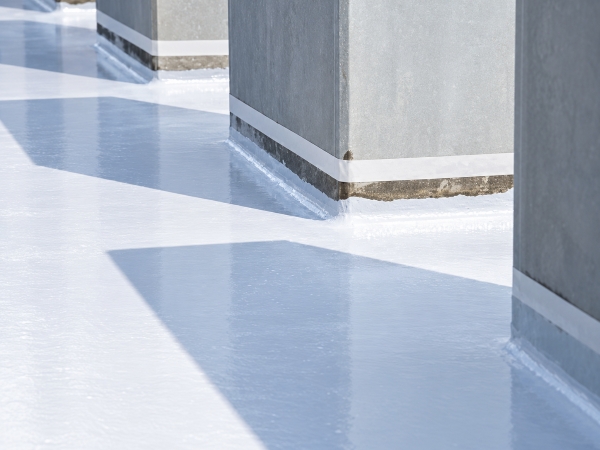
Flat roof waterproofing depends on the complete roof assembly: the membrane or waterproof layer, seams, flashing, penetrations, edges, and drainage all have to be evaluated together. For Kokomo, IN commercial buildings, CVC Roofing & Sheet Metal works on flat and low-slope roofs where water-entry conditions, weathering, drainage problems, or damaged details may require repair, restoration, or replacement. The right scope depends on what the roof inspection and surrounding conditions show.
Because flat and low-slope roofs rely on controlled drainage, seams, edges, penetrations, and transitions deserve the same attention as the open roof field. A visible leak can begin at a detail and appear indoors somewhere else after water moves within the assembly.
The Parts of a Waterproof Flat Roof
A watertight flat roof depends on several parts of the assembly working as designed:
- Membrane: the main waterproof layer, such as TPO, PVC, EPDM, modified bitumen, or a built-up system.
- Seams: the joints between sheets. TPO and PVC seams are generally heat-welded, while EPDM seams are commonly bonded with adhesive or tape.
- Flashings: the membrane turned up and sealed at walls, curbs, pipes, vents, and equipment bases.
- Drainage: drains, scuppers, and gutters that carry water off the roof so it does not sit against seams and flashings.
How Kokomo Weather Tests Flat Roof Waterproofing
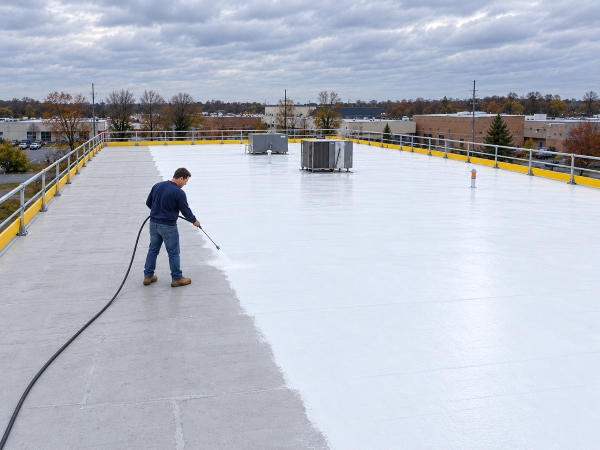
Central Indiana puts a flat roof through a full range of stress. Rain, sun, wind, snow, and temperature changes can affect drainage, sealants, flashing, membranes, and rooftop details. Weather exposure alone does not identify the defect, so inspection should focus on the actual condition of the roof and any areas where water is appearing.
Where Waterproofing Usually Fails
Water-entry paths can develop at several parts of a flat roof, including:
- Seams that have lifted, opened, or lost adhesive.
- Flashings that have pulled loose, cracked, or shrunk at walls and curbs.
- Sealant around pipes, vents, and rooftop units that has dried out.
- Drains and scuppers blocked by debris, leaving water standing.
- Punctures from foot traffic, tools, or fallen branches.
Recurring standing water should be documented and evaluated separately because it may reflect drainage, slope, blocked outlets, or low-area conditions that affect the roof assembly.
Single-Ply Membranes and Seam Care
Commercial flat roofs may use single-ply membranes, and the repair method depends on the installed system. TPO and PVC commonly use heat-welded seams, while EPDM commonly uses compatible seam tapes and bonding materials. The existing membrane, attachment, flashing, surface condition, prior repairs, and contamination all affect how a defect should be prepared and repaired. Compatible materials matter because a repair system should match the roof it is being applied to.
Waterproofing Options by Roof Condition
| Roof Condition | Usual Approach |
|---|---|
| Isolated leaks at seams or flashings, membrane otherwise sound | Targeted flat roof repair using methods compatible with the installed membrane, seam, flashing, or penetration detail. |
| Repeated leaks across many areas or wet insulation | Compare flat roof replacement with repair or restoration when leaks, moisture, deck or insulation deterioration, or membrane failure extend beyond a reliable localized scope. |
| Sound roof with no current leaks | Condition-based inspection and maintenance focused on drainage, seams, flashing, penetrations, and rooftop traffic areas. |
Why Moisture Findings Come First
Moisture condition is an important part of deciding whether localized repair, restoration, or replacement fits the roof. Infrared surveys, moisture meters, probes, or core samples may be used depending on the roof system and investigation plan, but each method has limitations and should be interpreted with the rest of the inspection. Confirmed wet or deteriorated materials may need removal or replacement, while broad or unresolved moisture can change the project beyond a surface-only waterproofing scope.
Coatings as a Waterproofing Layer
A coating may fit when the existing roof remains a suitable restoration base. The proposal should address cleaning, repairs, moisture conditions, adhesion, drainage, compatibility, flashing, penetrations, and the selected coating system. A coating does not correct deteriorated decking, unresolved moisture, incompatible materials, or broad roof failure underneath it.
Keeping Waterproofing Working
Waterproofing should be supported by maintenance that reflects the roof system, condition, drainage, rooftop traffic, repair history, and any written manufacturer or warranty requirements. Keep drains and outlets clear, protect high-traffic areas where appropriate, and keep records of leaks, inspections, and repairs. A planned commercial roof maintenance routine makes those checks regular. Kokomo property owners can also see the areas CVC serves on the Kokomo location page.
For a roof that is leaking now or showing standing water, CVC Roofing & Sheet Metal can be reached at (317) 557-0888. The building address, roof type if known, and where the leaks appear indoors are the most useful details to have ready.
Frequently Asked Questions
What makes a flat roof waterproof?
A flat roof relies on the complete assembly, including the membrane, seams, flashing, penetrations, edges, drainage, insulation, and deck conditions. Defects in any of those areas can affect watertight performance.
Can a coating waterproof an old flat roof?
It can when the existing roof remains a suitable restoration base. Moisture, substrate condition, adhesion, drainage, compatibility, and required repairs should be evaluated before a coating scope is chosen.
How can I tell if my flat roof waterproofing is failing?
Visible signs can include recurring standing water, open seams, damaged flashing, punctures, blisters, interior stains, or repeated leaks. Building staff should observe from safe areas and leave roof access and diagnosis to trained personnel.
Is it better to repair or replace a leaking flat roof?
Repair may fit isolated defects when the surrounding roof remains suitable. Broader moisture, repeated failures, deck or insulation deterioration, drainage problems, or widespread membrane damage can justify comparing restoration or replacement.