 Quality Services,
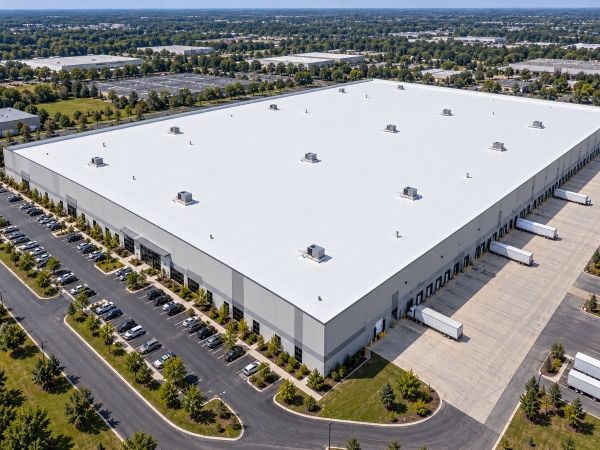
Low slope roofing refers to commercial roofs that are nearly flat, with only a slight pitch to move water toward drains, scuppers, or edges. Because water leaves these roofs slowly, they depend on continuous waterproof membranes, tight seams, and well-built drainage instead of the overlapping layers used on steep roofs. For Kokomo, IN commercial buildings, CVC Roofing & Sheet Metal works on low-slope roofs, and the main question for an owner is whether the roof sheds water well enough for the system on it to last.
Low-slope roofing generally refers to roofs with a shallow pitch that rely on membrane-style waterproofing and designed drainage rather than steep-slope shingle shedding. The exact slope limits depend on the roof system and applicable requirements. In practice, the key question is how effectively the roof moves water to drains, scuppers, gutters, or edges.
Why Slope and Drainage Matter on a Low Slope Roof
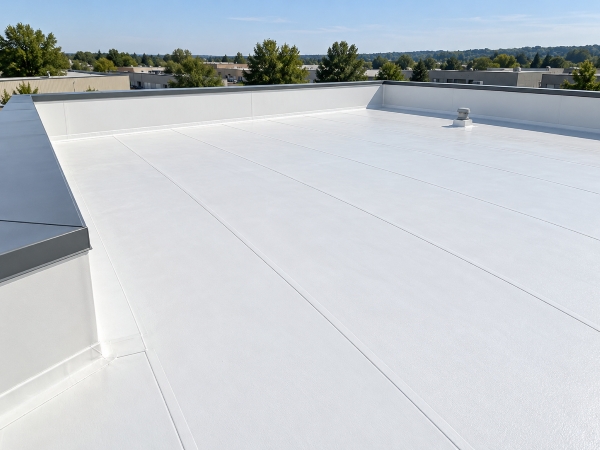
On a steep roof, gravity clears water quickly. On a low-slope roof, water can linger in dips, around drains, and behind obstructions. Kokomo roofs can also face heavy rain, summer heat, winter cold, snow, ice, and repeated temperature changes that affect membranes, seams, flashings, and drainage. Over time, water that stays on the surface can:
- Add temporary load to the roof assembly.
- Accelerate wear on membranes, seams, and sealants.
- Find small defects and travel into the insulation.
- Leave stains and debris that hold more moisture.
Recurring standing water after rainfall is worth investigating. It may be related to clogged or restricted drainage, low areas in the deck or substrate, settled insulation, or another slope condition, and the repair depends on the documented cause.
Tapered Insulation, Drains, and Details
Low-slope roofs often rely on design features to create or improve drainage. Tapered insulation can be designed to create or improve positive drainage above a relatively flat deck. Crickets or saddles can be used around some curbs, walls, or rooftop obstructions to redirect water toward drainage paths. Drain and scupper size, placement, and overflow provisions should follow the building design and applicable project requirements. Flashings at walls, curbs, and penetrations are equally important, because the low pitch gives water little reason to leave a weak spot. These details are best settled at design or replacement, when changing them is easiest.
Low Slope Roofing Systems at a Glance
Several membrane and coating systems are used on low-slope commercial roofs. The table compares them in general terms. Actual suitability depends on the building, and no system fits every roof.
| System | General Character | Low-Slope Consideration |
|---|---|---|
| TPO | Single-ply sheet, typically white, with heat-welded seams. | Seams, flashing details, and drainage conditions all affect performance where water may linger. |
| EPDM | Single-ply synthetic-rubber membrane with compatible seam and flashing methods. | Seams use adhesive or tape, so repair materials must be compatible. |
| PVC | Thermoplastic single-ply membrane with heat-welded seams; exposure suitability depends on the specific product and building conditions. | May be considered where roof exposures and the selected product’s published properties support that use. |
| Built-up or modified bitumen | Layered bituminous roofing with reinforcement and system-specific surfacing or cap materials. | Blisters, splits, flashing deterioration, and surfacing conditions should be evaluated as part of maintenance or repair. |
| Roof coating | Fluid-applied restoration layer used over an existing roof that meets the coating system’s candidacy requirements. | Candidacy depends on moisture, adhesion, substrate, drainage, and compatibility; coating does not by itself correct concealed wet materials or structural drainage problems. |
For a closer look at single-ply installation, see the single-ply roofers Kokomo article.
Edges, Wind, and Rooftop Equipment
Roof edges and corners can experience significant wind pressures, so perimeter attachment and edge details are important parts of the roof design. Edge metal, perimeter flashing, and attachment should match the roof design and applicable project requirements, and visible changes after significant weather should be documented. Rooftop equipment adds another layer of risk. Units placed on curbs or stands need compatible flashing and penetration details, drainage paths around obstructions, and traffic protection where the roof system or service pattern requires it. After rooftop service work, a condition check can document punctures, displaced materials, debris, or other changes near the work area.
Signs a Low Slope Roof Needs Attention
- Standing water that lingers after rain.
- Lifted or open seams, cracked flashing, or dried sealant.
- Blisters, splits, or worn spots in the membrane.
- Interior stains or damp ceiling materials, plus any roof-surface conditions documented by trained personnel.
- Debris buildup at drains, scuppers, and gutters.
Isolated problems may be addressed with flat roof repair. Widespread deterioration, broad moisture involvement, attachment or substrate problems, or repeated leaks can justify comparing flat roof replacement with repair or restoration. Replacement can also create an opportunity to redesign insulation slope or drainage details where the existing layout contributes to recurring problems. Moisture testing or core sampling may be appropriate when the roof assembly and project scope call for it.
Keeping a Low Slope Roof Performing
Routine inspection and maintenance are important on low-slope roofs because drainage, seams, flashings, penetrations, and traffic areas can change over time. Keep drainage paths clear, document visible changes after significant weather, limit unnecessary foot traffic, protect service routes where required, and retain records of leaks and repairs. A scheduled commercial roof maintenance routine can make these checks more consistent and help document developing defects before they expand into a larger repair scope. Property owners can also see the areas CVC serves on the Kokomo location page.
Low Slope Roofing in Kokomo, IN
Owners of Kokomo commercial buildings with recurring standing water, leaks, or aging roof materials can reach CVC Roofing & Sheet Metal at (317) 557-0888. Useful starting details include the roof’s approximate age, the current system if known, prior repair history, and the locations where water collects or interior leaks appear.
Frequently Asked Questions
What counts as a low slope roof?
A low-slope roof has a shallow pitch and typically relies on a continuous roofing system plus designed drainage toward drains, scuppers, gutters, or edges. Exact slope limits depend on the system and project requirements.
Why does standing water matter on a low slope roof?
Recurring standing water can add temporary load and keep seams, flashings, and surface defects exposed to moisture for longer periods. It may also signal a drainage or slope condition that needs evaluation.
How is drainage improved on a low slope roof?
Possible methods include tapered insulation, crickets or saddles, drain or scupper changes, and removal of drainage obstructions. The right approach depends on the structure, roof assembly, drainage design, and documented cause.
Should a low slope roof be repaired, coated, or replaced?
Localized damage may suit repair when the surrounding assembly remains serviceable. Coating candidacy depends on moisture, adhesion, substrate, drainage, and compatibility. Widespread deterioration or moisture can justify comparing replacement with other options.