
Roof Coating Indianapolis, IN

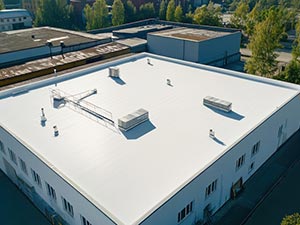
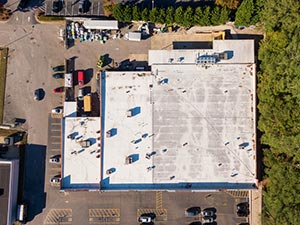
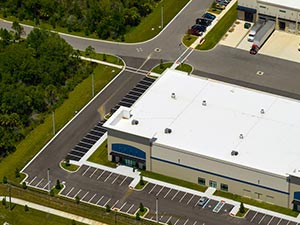
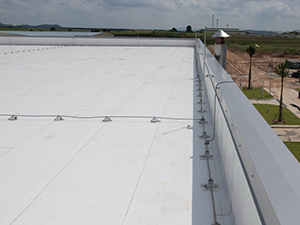
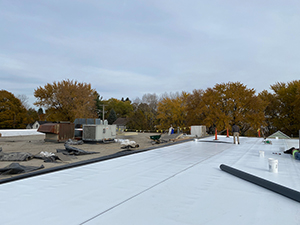
Commercial buildings in Indianapolis are exposed to temperature swings, intense sunlight, and seasonal weather that can gradually weaken traditional roofing membranes. Over time, aging seams and surface wear may lead to recurring maintenance costs and increased risk of moisture intrusion. High-performance roof coating systems provide a practical solution by adding a protective layer that enhances durability, improves reflectivity, and extends the service life of the existing roof.

Reach out to CVC Roofing for professional roof coating services in Indianapolis, IN, and explore a proactive approach to strengthening your building envelope. Call (317) 557-0888.

Polymeric Resilience: Advanced Roof Coating

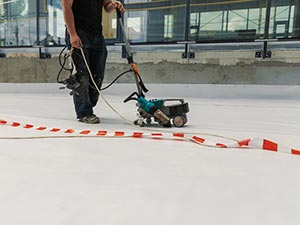
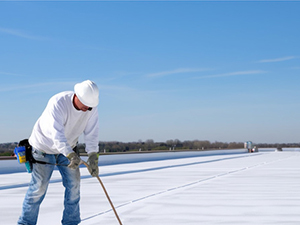
CVC Roofing establishes polymeric resilience by deploying high-solids silicone and acrylic restoration systems that function as a chemically fused, secondary skin for your facility. Unlike standard membrane replacements that rely on mechanical fasteners, which inevitably become conduits for thermal bridging and moisture migration, our roof coating technology creates a monolithic, vacuum-sealed barrier that is entirely devoid of seams. This liquid-applied engineering utilizes advanced cross-linking polymers that remain elastic through Indiana’s seasonal temperature swings, preventing the shrinkage and delamination that typically compromise TPO and EPDM assemblies.

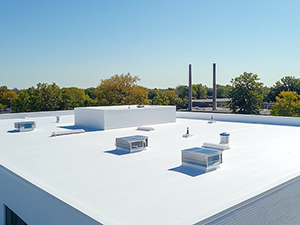
By transforming your roof into a high-reflectivity shield, we effectively neutralize the “heat-sink” effect, preserving the structural integrity of your substrate while providing a permanent defense against the hydrostatic pressure of ponding water. This proactive restoration doesn’t just mask surface imperfections; it recalibrates your building’s thermal equilibrium, ensuring a leak-proof environment and a significantly extended asset lifecycle.

Monolithic Waterproofing

The physical properties of these coatings provide a significant advantage in energy management. Our systems feature a high Solar Reflectance Index (SRI), redirecting a majority of solar energy away from the building before it can be absorbed as heat. This thermal stability prevents the “heat island effect” that often plagues Indianapolis warehouses and retail centers, lowering the surface temperature of the roof deck by as much as 60 degrees during the peak of summer.

By reducing the thermal load, we significantly decrease the mechanical strain on your rooftop cooling units, extending their service life and lowering your monthly utility overhead. This proactive engineering creates a high-performance building skin that preserves the R-value of your underlying insulation for decades.

Asset Lifecycle Management

For Indianapolis property owners, the financial logic of a roof coating system is found in its role as a strategic capital preservation tool. CVC Roofing implements these systems to provide a high-performance roofing solution at roughly 50% of the cost of a traditional replacement. Because roof restoration is often categorized as a maintenance expense rather than a capital improvement, it can frequently be fully expensed in the first tax year, providing an immediate fiscal advantage.

In today’s competitive commercial market, a professionally restored roof shows clear, documented proof of proactive facility care. We provide detailed site reports, including infrared moisture scans and mil-thickness verification, to help maintain manufacturer warranties and support property appraisals. This transparency protects your investment and helps keep maintenance costs predictable.

Our team works closely with your facility managers to develop a restoration plan that fits your budget and addresses the most critical areas first, keeping operations running without disruption. When you partner with us, you’re choosing a team that understands your roof is more than a structure—it’s a financial asset. We focus on proven materials and precise application methods to help maximize long-term performance and return on investment.

Premium Roof Coating Services

Protecting a commercial property requires a clear strategy for managing the long-term performance of the building envelope. In Indianapolis, professional roof coating services help slow membrane degradation, improve energy efficiency, and extend the service life of existing roofing systems. A properly applied coating system adds a protective barrier that reduces wear, limits moisture intrusion, and supports consistent roof performance with minimal disruption to operations.

Reach out to CVC Roofing for professional roof coating services in Indianapolis, IN, and strengthen your facility with a high-performance protective solution. Call (317) 557-0888.

FAQ

What types of commercial roofs can be coated?

Most commercial substrates are excellent candidates for a roof coating, including TPO, EPDM (rubber), modified bitumen, and metal. At CVC Roofing, we perform a material compatibility test to ensure the primer and coating will achieve a permanent bond with your specific roof type. If your current system is structurally sound but leaking at the seams, a coating is often the most effective solution.

How long does the installation process take?

Because a roof coating does not require a full tear-off, the installation is significantly faster than a traditional roof replacement. Most Indianapolis commercial projects can be completed in just a few days, depending on the square footage. This minimizes noise, debris, and the presence of heavy machinery, allowing your business to remain fully operational throughout the process.

Is a roof coating as durable as a new membrane?

Yes. In many ways, a high-solids silicone coating is superior because it is monolithic and has no seams to fail. These systems are engineered to withstand the same hail, wind, and thermal stress as a new roof. With proper maintenance, a coated roof can last 15 to 20 years before requiring a simple, low-cost recoat to refresh its UV protection.

Roof Inspection Indianapolis, IN

Commercial facilities in Indianapolis face ongoing exposure to high winds, heavy rainfall, and seasonal snow loads that can gradually weaken roofing systems. Over time, these conditions may lead to hidden moisture intrusion, insulation deterioration, or structural concerns that are not immediately visible.A professional roof inspection helps identify developing issues early, allowing property owners to address vulnerabilities before they become costly failures.

Reach out to CVC Roofing for professional roof inspection services in Indianapolis, IN, and gain clear insight into the condition of your commercial roofing system. Call (317) 557-0888.

Forensic Precision: Professional Roof Inspection

CVC Roofing establishes forensic precision by deploying a multi-phase diagnostic protocol during every roof inspection, moving beyond surface observations to analyze the subsurface health of the assembly. While traditional methods often overlook the “silent migration” of moisture, our technicians utilize high-resolution infrared thermography to identify thermal anomalies that signify saturated insulation and compromised decking. This technical audit focuses on the mechanical integrity of “high-stress” transitions, such as the molecular stability of thermoplastic seams and the compression of termination bars at parapet walls.

Commercial Roof Inspection and Maintenance

In the fluctuating climate of Indianapolis, the structural integrity of your building envelope depends on the systematic mitigation of environmental stress. CVC Roofing provides a framework for professional roof maintenance that extends beyond simple debris removal to address the underlying physics of membrane longevity.

Our maintenance protocols involve the forensic inspection of all “high-movement” zones, including parapet flashings, HVAC curbs, and expansion joints, where the original seals are most likely to fatigue. By identifying and neutralizing minor capillary leaks and ensuring that drainage systems like scuppers and internal drains are free of hydrostatic pressure, we prevent the deep-substrate saturation that leads to mold and structural rot.

Strategic Asset Management and Warranty Compliance

For Indianapolis business owners, the financial logic of a professional roof inspection is found in the protection of the manufacturer’s warranty and the extension of the roof’s lifecycle. CVC Roofing implements these audits as a strategic tool for capital preservation. Most commercial warranties require documented annual or semi-annual inspections to remain valid; without this paper trail, insurance claims for storm damage can be summarily denied. Our detailed reports provide the forensic evidence needed for insurance adjusters and property appraisals, documenting the exact mil-thickness of the membrane and the condition of all perimeter flashings. This transparency allows you to transition from high-cost emergency repairs to a predictable, data-driven maintenance budget.

Professional Roof Inspection Services

Comprehensive roof inspections require more than a surface walkthrough. In Indianapolis, detailed commercial roof inspections use advanced diagnostic methods to evaluate the full roofing assembly, including insulation, membrane condition, seams, and penetrations. Technologies such as infrared scanning help detect trapped moisture that may compromise insulation performance and structural integrity. Careful evaluation of rooftop equipment curbs, flashing points, and seam integrity provides a clear understanding of how the system is performing under seasonal freeze and thaw cycles. This data-driven approach supports insurance documentation, warranty compliance, and proactive maintenance planning that helps prevent unexpected failures.

Reach out to CVC Roofing for technical commercial roof inspection services in Indianapolis, IN, and gain a detailed assessment of your roofing system’s condition. Call (317) 557-0888.

FAQ

What does a professional commercial roof inspection cover?

Our inspection covers the entire building envelope, including the membrane condition, the integrity of all seams and welds, the functionality of drainage systems (drains, scuppers, and gutters), and the status of all flashings at penetrations and parapet walls. CVC Roofing also performs a non-invasive moisture scan to check for saturated insulation under the surface.

Can a professional inspection help lower my commercial property insurance premiums?

Yes, it certainly can. Many insurance carriers in the Midwest view documented roof inspection reports as a proactive risk-mitigation strategy. By providing evidence from CVC Roofing that your building envelope is structurally sound and free of existing moisture infiltration, you demonstrate a lower risk profile for mold and interior property damage. This documentation is also invaluable during a “pre-loss” assessment, as it establishes a clear baseline of your roof’s condition before a major storm hits, making it much harder for adjusters to attribute new hail or wind damage to pre-existing wear and tear.

Will an inspection help with my insurance claim?

Yes. Having a pre-storm inspection report on file provides a “baseline” of your roof’s condition. If a storm hits, CVC Roofing can perform a post-storm audit to clearly document the new damage for your insurance adjuster. This evidence makes it much harder for insurance companies to deny claims based on “pre-existing wear and tear.”

Flat Roof Repair Indianapolis, IN

Flat Roof Repair Indianapolis, IN 1

For commercial building owners in Indianapolis IN, a flat roof often supports more than just weather protection, it safeguards inventory, equipment, and daily operations. When problems arise, delaying Flat Roof Repair can quietly turn a manageable issue into a costly disruption. Water intrusion, structural stress, and energy loss rarely stay contained. If your facility shows early warning signs, acting quickly matters.

For professional guidance in Indianapolis IN, CVC Roofing can be reached at 317-557-0888 to discuss timely repair options before minor damage escalates.

Flat Roof Repair for Building Protection

Flat roofs are engineered to manage water, but they are far less forgiving when issues go unaddressed. Unlike sloped systems, flat roofs allow water to linger. A small puncture, seam separation, or membrane blister can trap moisture and spread it laterally across insulation layers.

When repairs are delayed, moisture doesn’t simply stay at the surface. It can soak insulation, compromise deck materials, and increase roof load. Over time, this hidden damage weakens the roof assembly and raises the likelihood of interior leaks. By the time water appears inside the building, repairs are often more complex and expensive than they would have been earlier.

Prompt Flat Roof Repair interrupts this chain reaction. Addressing damage early keeps water from migrating and helps preserve the integrity of the overall roofing system.

Flat Roof Repair Indianapolis, IN 2

The Operational Risks of Postponing Flat Roof Repair

Commercial buildings rely on predictable operations. A leaking flat roof introduces uncertainty that can disrupt tenants, employees, and customers. Water intrusion can damage electrical systems, HVAC components, and sensitive equipment, forcing shutdowns or emergency relocations.

Even when leaks seem minor, they can create unsafe conditions. Wet flooring increases slip hazards, while trapped moisture promotes mold growth that can affect indoor air quality. These issues don’t just impact comfort, they can expose building owners to liability concerns.

From a financial standpoint, delayed Flat Roof Repair often leads to higher costs. Emergency repairs, interior restoration, and potential business interruption expenses add up quickly. Planned repairs, by contrast, allow owners to control timelines, budgets, and scope of work.

Structural and Energy Consequences of Inaction

Beyond visible leaks, delayed flat roof repairs can undermine a building’s structural performance. Saturated insulation loses its thermal resistance, forcing HVAC systems to work harder to maintain indoor temperatures. This results in increased energy consumption and higher utility bills.

In colder months, trapped moisture can freeze and expand, widening cracks and stressing seams. In warmer conditions, heat accelerates material breakdown, especially when water is present. These cycles shorten the roof’s lifespan and can push a repairable roof closer to full replacement.

Timely Flat Roof Repair helps maintain insulation performance, protect structural components, and stabilize energy efficiency. Addressing problems early preserves the roof’s intended function and delays the need for major capital expenditures.

Proactive Repairs Support Long-Term Asset Management

Commercial roofs are significant investments and protecting that investment requires proactive decision-making. Delaying repairs often shifts a building from routine maintenance into reactive crisis management. This approach limits options and increases risk.

When Flat Roof Repair is handled promptly, building owners gain flexibility. Repairs can be scheduled during low-impact periods, materials can be selected thoughtfully, and long-term roof planning becomes more predictable. Early action also provides clearer documentation of roof condition, which is valuable for budgeting, insurance discussions, and property valuation.

Ultimately, timely repairs are not just about fixing damage, they are about protecting the building as a long-term asset.

Flat Roof Repair Experts

Flat roofs rarely fail overnight. They give warning signs, ponding water, surface cracks, loose flashing, or interior staining. Recognizing these signs and responding quickly is key to avoiding larger problems.

For commercial property owners in Indianapolis IN, delaying Flat Roof Repair often means higher costs, greater disruption, and increased risk. Working with experienced professionals ensures issues are identified accurately and addressed before they spread. If your roof is showing signs of distress, CVC Roofing is available to discuss repair solutions tailored to your building. Call 317-557-0888 to take a proactive step toward protecting your property in Indianapolis IN.

FAQ

What happens if water gets trapped under a flat roof membrane?
Trapped water can spread beneath the surface, damaging insulation and weakening the roof structure over time.

Can delayed flat roof repair lead to full roof replacement?
Yes, unresolved issues can escalate to widespread damage that makes replacement more cost-effective than repair.

Are interior leaks always visible right away?
No, water can travel within the roof system before appearing inside, which is why early repairs are critical.

Does delaying repairs affect energy efficiency?
Yes, wet, or damaged insulation reduces thermal performance and increases heating and cooling costs.

EPDM Roofing Kokomo IN

EPDM Roofing Kokomo IN 1

For commercial property owners in Kokomo IN, managing roofing upgrades often means balancing performance, cost, and operational disruption. EPDM roofing has become a popular solution for flat and low-slope commercial buildings because of its durability and flexibility. One common question is whether EPDM roofing can be installed over an existing roof instead of requiring a full tear-off. Understanding how this process works can help building owners make informed decisions.

To learn more about EPDM roofing options in Kokomo IN, contact CVC Roofing at 317-557-0888 for professional guidance tailored to your building.

EPDM Roofing and Installation Options

EPDM (ethylene propylene diene monomer) roofing is a synthetic rubber membrane designed to withstand temperature extremes, UV exposure, and moisture. It is widely used on commercial buildings because it offers long service life with relatively low maintenance requirements.

When it comes to installation, EPDM roofing can be applied using several methods, including fully adhered, mechanically attached, or ballasted systems. These flexible options make EPDM a candidate for installation over certain existing roofing systems. However, this approach is not always appropriate and depends heavily on the condition and type of the current roof.

Installing EPDM over an existing roof can reduce labor, disposal costs, and project timelines, but only when the underlying structure meets specific requirements.

EPDM Roofing Kokomo IN 2

When Installing EPDM Roofing Over an Existing Roof Makes Sense

In many commercial settings, overlay installations are possible if the existing roof is structurally sound. The current roof must be dry, stable, and free of widespread damage. Minor surface wear or aging materials may be acceptable, but saturated insulation, severe leaks, or compromised decking usually require removal before any new system is installed.

Building codes also play a major role. Local regulations may limit the number of roof layers allowed on a structure. A qualified roofing contractor evaluates compliance before recommending an overlay. Weight considerations are another factor, especially for older commercial buildings that may not support additional roofing layers.

Proper preparation is critical. Existing seams, fasteners, and irregular surfaces must be addressed to ensure the EPDM membrane lays flat and performs as intended. In many cases, a cover board or insulation layer is installed between the old roof and the EPDM membrane to improve performance and longevity.

Benefits and Limitations of Overlaying EPDM Roofing

One of the biggest advantages of installing EPDM roofing over an existing roof is reduced disruption. For commercial building owners, this means fewer interruptions to daily operations. Tear-offs can be noisy, messy, and time-consuming, while overlays are generally faster and cleaner.

Cost efficiency is another benefit. Avoiding demolition and disposal can significantly lower project expenses. EPDM roofing itself is known for its cost-effective lifecycle, as it resists cracking and splitting even after decades of exposure.

However, there are limitations to consider. Overlay installations do not address hidden issues beneath the existing roof. If moisture or structural damage is present and not corrected, it can shorten the lifespan of the new EPDM system. Additionally, overlays may limit future repair or replacement options, as multiple layers can complicate inspections and leak detection.

The Role of Professional Evaluation in EPDM Roofing Decisions

Determining whether EPDM roofing can be installed over an existing roof requires a thorough assessment by experienced professionals. Roofing specialists inspect membrane conditions, insulation integrity, drainage performance, and structural capacity before making recommendations.

Moisture scans and core samples are often used to identify trapped water that may not be visible on the surface. These diagnostic steps help prevent costly mistakes and ensure the new EPDM roof delivers its expected performance.

For commercial property owners, this evaluation process protects both the building and the investment. An informed decision can extend roof life, improve energy efficiency, and reduce long-term maintenance costs.

EPDM Roofing Experts

EPDM roofing offers flexibility that many other systems cannot match, including the possibility of installation over an existing roof. While this approach can save time and money, it is not a universal solution. The condition of the current roof, building codes, and long-term goals all influence whether an overlay is appropriate.

For businesses in Kokomo IN, working with an experienced contractor ensures these factors are carefully evaluated. CVC Roofing helps commercial building owners understand their options and choose solutions that align with both budget and performance needs. To discuss whether EPDM roofing over your existing roof is a viable option, contact CVC Roofing at 317-557-0888 and get expert insight for your property in Kokomo IN.

FAQ

Can EPDM roofing be installed over any type of existing roof?
Not always. The existing roof must be structurally sound, dry, and compliant with local building codes.

Does installing EPDM over an old roof reduce costs?
Yes, it can lower costs by eliminating tear-off and disposal expenses when conditions allow.

Will an overlay EPDM roof last as long as a new installation?
If properly installed over a suitable substrate, an overlay EPDM roof can offer comparable performance.

What risks are associated with installing EPDM over an existing roof?
Hidden moisture or structural damage beneath the old roof can reduce the lifespan of the new EPDM system.

TPO Roofing Kokomo, IN

TPO Roofing Kokomo, IN 1

For commercial property owners in Kokomo, IN, maintaining a reliable roof is critical to protecting assets, employees, and operations. TPO roofing has grown in popularity for flat and low-slope commercial roofs due to its durability, energy efficiency, and reflective surface. Many building owners, however, wonder: Can TPO roofing be repaired instead of replaced? Understanding repair options can save time, money, and disruption to your business. For professional evaluation and service, contact CVC Roofing at (317) 557-0888.

Can TPO Roofing Be Repaired Instead of Replaced?

TPO, or Thermoplastic Polyolefin, is a single-ply roofing membrane valued for its weather resistance, UV reflectivity, and heat-welded seams. Its design minimizes leaks and provides long-term performance, especially in commercial settings. Unlike traditional asphalt or modified bitumen roofs, TPO offers flexibility, energy efficiency, and resistance to chemical and biological growth.

The membrane is particularly suited for flat or low-slope roofs because it forms a continuous layer across the roof deck. With proper installation and maintenance, TPO roofs can last 20 years or more, making them a popular choice among Kokomo, IN commercial property owners.

When Repairs Are Possible

TPO Roofing Kokomo, IN 2

While TPO roofing is durable, damage can occur due to weather events, foot traffic, or aging seams. The good news is that many TPO roof issues can be addressed through repairs instead of a full replacement. Common repair scenarios include:

Punctures and Tears:

Small holes or tears caused by hail, debris, or equipment can often be patched using compatible TPO material and specialized adhesives. Heat-welded patches restore the membrane’s watertight integrity.

Seam Failures:

Seams are the most vulnerable part of a TPO roof. If seams start to separate or lift, a professional can reseal them with heat welding or approved adhesives, preventing water infiltration without replacing the entire membrane.

Flashing and Penetration Issues:

Areas around vents, HVAC units, or roof drains can experience leaks due to flashing or improper installation. Targeted repairs at these points can extend the roof’s life.

TPO repair is most effective when issues are addressed early. Prompt attention prevents minor problems from escalating into widespread damage that may require a full roof replacement.

Advantages of Repair Over Replacement

Opting for TPO repairs rather than full replacement offers several benefits:

Cost Savings: Repairs are generally less expensive than replacing the entire roof, especially for isolated damage.

Minimal Disruption: Targeted repairs can be completed quickly, reducing downtime for your business operations.

Extended Lifespan: Properly executed repairs can add years to your TPO roof’s life, delaying the need for a replacement.

Sustainability: Repairing instead of replacing reduces roofing waste, which is better for the environment.

However, it is important to note that extensive damage, chronic leaks, or significant membrane degradation may make replacement the more practical option. A professional roofing contractor can assess the severity and recommend the most cost-effective solution.

Professional Assessment and Maintenance

To determine whether your TPO roof requires repairs or replacement, a professional inspection is essential. Experienced contractors, like CVC Roofing in Kokomo, IN, will evaluate membrane integrity, seams, flashing, and overall performance. They can provide a detailed report with repair options and estimated costs.

Regular maintenance also helps prolong the life of a TPO roof. This includes clearing debris, checking for seam separation, inspecting flashing around penetrations, and addressing any minor leaks promptly. By staying proactive, commercial property owners in Kokomo, IN can maximize the value of their TPO roofing investment.

TPO Roofing Experts

In conclusion, TPO roofing in Kokomo, IN offers flexibility in repair strategies that can prevent unnecessary replacements. From patching small punctures to resealing seams, targeted repairs help maintain roof performance and protect your building’s interior. For professional assessment and expert TPO repair services, contact CVC Roofing at (317) 557-0888 to safeguard your commercial property.

FAQ

Can all TPO roofs be repaired instead of replaced?
Minor damage and seam issues can often be repaired, but widespread membrane failure or extensive degradation may require full replacement.

How long do TPO roof repairs typically last?
When performed correctly, repairs can extend the roof’s life by several years, especially when combined with proper maintenance.

Are TPO roof repairs covered by insurance?
Coverage depends on your policy and the cause of the damage. Many insurance plans cover storm-related repairs but not wear-and-tear maintenance.

How can I prevent TPO roof damage in the first place?
Regular inspections, prompt repairs, avoiding foot traffic in critical areas, and clearing debris are key to prolonging TPO roof lifespan.

Commercial Roof Replacement Kokomo IN

Commercial Roof Replacement Kokomo IN 1

For commercial building owners in Kokomo, IN, planning a roof replacement is a significant investment that requires careful consideration and expert execution. A commercial roof is more than just protection from the elements, it safeguards assets, inventory, and employees. Understanding what to expect during a commercial roof replacement ensures the project runs smoothly, minimizes downtime, and maximizes the lifespan of your new roof. For professional guidance in Kokomo, IN, call CVC Roofing at 317-557-0888.

What Facility Managers Should Expect During a Commercial Roof Replacement

Assessing the Roof and Planning the Replacement

The first step in any commercial roof replacement project is a thorough assessment. Certified roofing contractors evaluate the existing roof for damage, structural integrity, and underlying issues that may affect the replacement process. This assessment identifies areas of concern such as leaks, weakened decking, and insulation problems.

After evaluation, contractors develop a detailed plan outlining the materials, timeline, and necessary permits. For business owners, this stage is crucial because it sets expectations for project duration, potential disruptions, and overall costs. A proper plan ensures that each phase, from tear-off to installation, is executed efficiently, reducing surprises along the way.

Commercial Roof Replacement Kokomo IN 2

The Tear-Off Process: Removing the Old Roof

Once the planning stage is complete, the next step is the tear-off. This involves removing the existing roofing materials down to the deck. For commercial properties, this stage requires careful coordination because large roof areas can involve significant debris and logistical challenges.

Experienced roofing crews in Kokomo, IN ensure that the tear-off is performed safely and systematically. They separate materials for recycling when possible and dispose of non-recyclable debris in compliance with local regulations. Proper tear-off not only provides a clean surface for the new roof but also allows for the identification and repair of hidden damage that could compromise the new installation.

Installing the New Commercial Roof

After the old roof is removed, the installation of the new commercial roof begins. Depending on the roofing system, whether it is TPO, EPDM, metal, or built-up roofing, specific techniques and materials are used to ensure long-term durability.

During installation, contractors pay close attention to seam alignment, flashing installation, and proper insulation placement. Each component is critical for preventing leaks, improving energy efficiency, and extending the roof’s lifespan. Certified contractors also consider weather conditions, ensuring that adhesives and coatings cure properly and that the roof performs as expected under the local climate conditions of Kokomo, IN.

Minimizing Business Disruption

A major concern for business owners during a commercial roof replacement is operational disruption. Professional roofing contractors implement strategies to minimize interference with daily activities. This may include phased installation, restricted work zones, and temporary coverings to protect entrances and parking areas.

Communication is key during this stage. Business owners are kept informed about progress, potential hazards, and completion schedules. A well-managed project ensures that the new roof is installed efficiently while allowing normal business operations to continue as much as possible.

Post-Installation Inspection and Maintenance Planning

Once installation is complete, a final inspection is performed to verify that the roof meets manufacturer specifications and quality standards. This inspection includes checking for proper sealant application, securing flashing, and overall structural integrity.

Additionally, contractors often provide guidance on preventive maintenance to extend the life of the new roof. Regular inspections, cleaning, and minor repairs can prevent small issues from becoming costly problems, ensuring that your investment continues to provide protection and energy efficiency for years to come.

Commercial Roof Replacement Professionals

For commercial building owners in Kokomo, IN, a commercial roof replacement is a multi-step process that requires careful planning, skilled execution, and post-installation care. By understanding each phase, from assessment and tear-off to installation and inspection, business owners can make informed decisions that protect their property and investment. For professional assistance with your commercial roofing project, call CVC Roofing at 317-557-0888 to discuss your needs and schedule an evaluation.

FAQ

How long does a commercial roof replacement typically take?
The timeline varies by roof size, type, and weather, but most projects take a few days to several weeks.

Can a commercial roof replacement be done while the business is operating?
Yes, with proper planning and safety measures, roofing work can proceed with minimal disruption to daily operations.

What types of roofing materials are commonly used for commercial properties?
Common materials include TPO, EPDM, metal, and built-up roofing, each offering unique benefits in durability and energy efficiency.

How can I ensure the new roof lasts as long as possible?
Regular maintenance, prompt repair of minor issues, and professional inspections help maximize the lifespan of a commercial roof.

Single-Ply Roofers Kokomo, IN

Single-Ply Roofers Kokomo, IN 1

For commercial property owners in Kokomo, IN, selecting skilled single-ply roofers is critical to ensuring a durable, leak-resistant roof. Single-ply roofing systems, including TPO, PVC, and EPDM, are popular for flat or low-slope commercial roofs due to their energy efficiency, flexibility, and long lifespan. However, improper installation can lead to leaks, membrane damage, and costly repairs. Understanding common mistakes and how to avoid them can save both time and money. For professional single-ply roofing services, contact CVC Roofing at (317) 557-0888.

Common Installation Mistakes Single-Ply Roofers See

Even experienced roofers face challenges when installing single-ply systems. These mistakes, if left unaddressed, can compromise the roof’s performance and longevity. The most frequent issues include:

Inadequate Deck Preparation:

The roof deck is the foundation of any single-ply system. Failing to clean, dry, and level the surface before installation can lead to poor adhesion, wrinkles, or membrane bubbling. Moisture or debris trapped under the membrane may cause mold growth and premature degradation.

Poor Seaming Techniques:

Single-ply membranes rely on heat-welded or chemically bonded seams for waterproofing. Improper welding temperature rushed seam alignment, or inadequate pressure can result in weak spots where water can infiltrate.

Incorrect Fastener Placement:

Mechanically attached systems require precise fastener spacing and placement. Fasteners installed too close together can damage the membrane, while those too far apart reduce wind uplift resistance. Improper placement around edges, curbs, and penetrations is a common cause of leaks.

Neglecting Flashing and Penetrations:

Flashing around vents, HVAC units, skylights, and drains is critical to preventing leaks. Inadequate flashing installation or failure to properly seal penetrations often leads to water infiltration and membrane damage.

Overlooking Roof Slope and Drainage:

Even flat roofs need slight slope to ensure proper water runoff. Single-ply roofers sometimes ignore slope adjustments or fail to install tapered insulation, resulting in ponding water that accelerates membrane wear and increases leak potential.

How to Avoid Installation Pitfalls

Single-Ply Roofers Kokomo, IN 2

Preventing these common mistakes starts with hiring experienced, certified single-ply roofers and following best practices throughout the installation process. Key strategies include:

Comprehensive Deck Inspection and Prep:

Ensure the roof deck is clean, dry, and level before installation. Address moisture issues, repair damaged sections, and remove debris to create a stable surface for membrane adhesion.

Proper Seam Welding and Adhesive Application:

Use calibrated heat-welding equipment and follow manufacturer guidelines for temperature, pressure, and welding speed. For adhesive-based membranes, apply the correct amount and ensure full contact between surfaces.

Accurate Fastener Installation:

Follow recommended spacing guidelines and pay attention to high-stress areas like perimeters, corners, and rooftop equipment. Using a layout plan can help prevent errors.

Expert Flashing and Penetration Sealing:

Install flashing according to manufacturer instructions and verify all penetrations are fully sealed. Overlap edges correctly and double-check for voids that could allow water infiltration.

Ensure Adequate Drainage:

Evaluate the roof’s slope and install tapered insulation if necessary. Verify drains and scuppers are unobstructed to prevent water accumulation.

Regular quality checks during and after installation are also essential to catch errors early. Experienced single-ply roofers understand these risks and implement preventive measures to maximize the roof’s performance.

Choosing the Right Single-Ply Roofers Matters

Choosing skilled roofers is vital for protecting your investment and avoiding costly repairs. Certified professionals bring experience with multiple single-ply systems, proper tools, and manufacturer-approved techniques. They can identify potential trouble spots, recommend preventive solutions, and ensure the roof meets both performance and warranty requirements.

For commercial building owners in Kokomo, IN, working with qualified single-ply roofers like CVC Roofing ensures:

  • Longer-lasting roofs with fewer leaks
  • Compliance with manufacturer warranties
  • Reduced maintenance costs over the roof’s lifetime
  • Peace of mind knowing the roof protects your business assets

Reliable Single-Ply Roofers

In conclusion, single-ply roofing offers excellent performance for flat and low-slope commercial roofs, but installation mistakes can quickly compromise its benefits. From deck preparation to seam welding, fastener placement, and flashing installation, attention to detail is critical. By hiring professional single-ply roofers and following best practices, commercial property owners in Kokomo, IN can ensure their roofs are durable, efficient, and long-lasting. For expert installation or repair, contact CVC Roofing at (317) 557-0888 today.

FAQ

Can all single-ply membranes be repaired if installed incorrectly?
Minor seam or flashing issues can often be repaired, but extensive installation errors may require partial or full replacement.

How long does a professionally installed single-ply roof typically last?
With proper installation and maintenance, single-ply roofs can last 20–30 years depending on the material and environmental conditions.

Are single-ply roofs energy-efficient?
Yes. Many single-ply membranes are reflective, reducing heat absorption and lowering cooling costs for commercial buildings.

What should I check before hiring single-ply roofers?
Verify experience with your specific membrane type, ask for references, confirm certification, and review previous projects for quality assurance.

EPDM Roof Installation Kokomo, IN

EPDM Roof Installation Kokomo, IN 1

For commercial building owners in Kokomo, IN, installing an EPDM roof represents a durable, cost-effective solution for flat and low-slope roofing systems. However, the longevity and performance of an EPDM roof largely depend on proper preparation before installation. Understanding the steps to prepare your roof deck can help ensure a smooth EPDM roof installation, minimize costly errors, and extend the life of your roofing system. For professional guidance in Kokomo, IN, contact CVC Roofing at 317-557-0888.

Preparing Your Deck for a Smooth EPDM Roof Installation

EPDM, or Ethylene Propylene Diene Monomer, is a single-ply rubber roofing membrane known for its flexibility, resistance to UV rays, and waterproofing capabilities. While EPDM is highly durable, improper installation can lead to leaks, membrane wrinkling, or premature failure.

The foundation of a successful EPDM installation begins with the roof deck. A poorly prepared deck can create uneven surfaces, compromise adhesion, and increase the likelihood of damage under extreme weather conditions. Commercial roofing contractors in Kokomo, IN emphasize the importance of inspecting, cleaning, and reinforcing the roof deck before laying the membrane.

EPDM Roof Installation Kokomo, IN 2

Inspecting and Repairing the Roof Deck

Before any EPDM installation begins, the roof deck must be thoroughly inspected for structural integrity. Look for signs of water damage, rot, or weakened decking materials. For metal decks, ensure all fasteners are secure and that any corrosion is addressed.

Plywood, OSB, or other wood decks should be checked for loose panels or warped areas. Damaged sections must be replaced or reinforced to prevent sagging, which could compromise the EPDM membrane. Proper inspection ensures the new roof will perform effectively for decades, protecting the commercial building and its contents.

Cleaning and Levelling the Surface

After inspection, the roof deck must be cleaned of debris, dirt, and any remnants of the previous roofing system. Even small particles can create air pockets beneath the EPDM membrane, reducing adhesion and increasing the risk of leaks.

Leveling the surface is equally important. Low spots should be filled with roofing-compatible materials, and high points may need sanding or smoothing. A level and clean deck ensures the EPDM membrane lays flat without wrinkles or folds, improving both performance and aesthetics.

Installing Insulation and Vapor Barriers

For energy efficiency and moisture control, most EPDM installations include insulation and a vapor barrier. Proper placement of insulation boards reduces heat loss and prevents condensation beneath the membrane.

Vapor barriers are critical for commercial buildings in Kokomo, IN, especially in climates with temperature fluctuations. They prevent trapped moisture from compromising the roof deck or the EPDM membrane. Using high-quality insulation and vapor barriers contributes to the long-term durability and energy efficiency of the roofing system.

Preparing for Adhesive Application

EPDM membranes are installed using either fully adhered, mechanically fastened, or ballasted methods. For fully adhered systems, the roof deck must be compatible with the adhesive. Contractors typically prime the surface to enhance bond strength and ensure the membrane adheres smoothly.

Attention to detail during this step prevents common installation issues such as bubbles, wrinkles, or loose seams. A properly prepared deck allows the EPDM to stretch and conform to the roof’s contours while maintaining a watertight seal.

EPDM Roof Installation Experts

Before laying the EPDM membrane, commercial roofing contractors conduct a final walkthrough of the roof deck. This includes checking for sharp objects, ensuring insulation boards are secure, and confirming that all repairs are completed. These final preparations reduce the risk of costly mistakes during installation and ensure that the roof performs as expected under heavy rains, strong winds, and UV exposure.

For commercial building owners in Kokomo, IN, taking the time to prepare the roof deck properly is the most important factor in achieving a successful EPDM roof installation. From inspection and repairs to cleaning, levelling, and preparing for adhesives, each step contributes to a long-lasting, efficient, and reliable roofing system. For professional EPDM installation services, contact CVC Roofing at 317-557-0888 to schedule an evaluation.

FAQ

Can EPDM roofing be installed over an existing roof?
Yes, in many cases EPDM can be installed over a properly prepared existing roof, but the deck must be inspected and levelled first.

How long does it take to prepare a roof deck for EPDM installation?
Preparation time varies depending on roof size and condition but typically takes 1–3 days for commercial buildings.

What type of insulation is best for EPDM roofs?
Polyisocyanurate (polyiso) and expanded polystyrene (EPS) are commonly used due to their moisture resistance and thermal efficiency.

How do contractors ensure the EPDM membrane adheres correctly?
They clean and prime the deck, remove debris, level the surface, and use high-quality adhesives compatible with the EPDM membrane.

EPDM Roof Repair Kokomo, IN

EPDM Roof Repair Kokomo, IN 1

For commercial building owners in Kokomo, IN, flat roofs are a common choice due to their cost-effectiveness and ease of installation. One of the most reliable materials used for these roofs is EPDM (ethylene propylene diene monomer), a durable rubber membrane known for its weather resistance and longevity. However, even the sturdiest EPDM roofs can develop issues over time. Timely EPDM roof repair is critical to prevent leaks, structural damage, and costly replacements. If you notice signs of wear on your flat roof, contact CVC Roofing for expert service in Kokomo, IN by calling the team at (317) 557-0888.

Quality EPDM Roof Repair Is Critical

EPDM roofing is widely favored for commercial flat roofs because it is lightweight, flexible, and resistant to UV rays, ozone, and extreme temperatures. Despite its durability, EPDM is not immune to damage. Over time, exposure to harsh weather, foot traffic, and roof equipment can lead to cracks, punctures, seam failures, or blisters.

Unlike sloped roofs, flat commercial roofs are more prone to water pooling, which can accelerate membrane deterioration. Small leaks may initially go unnoticed but can compromise insulation and the roof deck if left unrepaired. Recognizing and addressing these problems through professional EPDM roof repair ensures the long-term performance of your commercial building’s roofing system.

Common EPDM Roof Issues

EPDM Roof Repair Kokomo, IN 2

Cracks and Punctures

One of the most common problems with EPDM membranes is punctures caused by falling debris, foot traffic, or maintenance work. Even small holes allow water infiltration, which can lead to mold growth, insulation damage, or structural issues. During an inspection, check for visible tears or exposed areas on the membrane. Timely repairs with patch kits or professional sealing prevent minor issues from escalating.

Seam Failures

EPDM roofs are typically installed in large sheets joined by adhesive seams. Over time, seams may loosen, peel, or crack due to thermal expansion and contraction. Seam failure is a leading cause of water intrusion in flat commercial roofs. Professional EPDM roof repair often involves resealing or reinforcing seams to restore a watertight barrier.

Blisters and Ponding Water

Blisters form when moisture or air becomes trapped beneath the membrane, causing bubbles to appear on the roof surface. Additionally, flat roofs may develop areas of ponding water if drainage is inadequate. Both conditions stress the EPDM material and can lead to leaks if ignored. Addressing these issues promptly through repair or improved drainage solutions safeguards the roof’s structural integrity.

Aging and UV Damage

While EPDM is UV resistant, prolonged exposure to intense sunlight can cause the membrane to become brittle and crack. Aging also contributes to reduced elasticity, making the roof more vulnerable to tears and leaks. Regular inspections help identify weakened areas early, allowing professional repair before serious damage occurs.

Benefits of Timely EPDM Roof Repair

Prompt EPDM roof repair offers several advantages for commercial building owners:

Cost Savings: Addressing minor issues early prevents extensive damage that would require complete roof replacement.

Extended Roof Life: Repairs restore the membrane’s integrity, prolonging the overall lifespan of the EPDM roof.

Improved Building Protection: Water intrusion, insulation damage, and mold growth are minimized, protecting both the structure and interior contents.

Compliance and Warranty Maintenance: Many EPDM manufacturers require professional maintenance for warranty validity. Timely repairs help ensure your warranty remains intact.

Working with a Professional EPDM Roof Repair Contractor

While some cleaning and debris removal can be handled in-house, professional EPDM roof repair ensures proper techniques and materials are used. Experienced contractors, like CVC Roofing in Kokomo, IN, have the expertise to identify hidden damage, reseal seams, patch punctures, and reinforce areas vulnerable to water infiltration. Hiring professionals also minimizes safety risks associated with working on commercial flat roofs.

Minor EPDM roof issues can escalate quickly, resulting in expensive repairs or even a complete roof replacement. For commercial building owners, addressing problems early is key to preserving roof integrity and protecting your property.

Contact CVC Roofing for EPDM roof inspection and repair services in Kokomo, IN. Call (317) 557-0888 to safeguard your flat commercial roof and prevent small issues from becoming major expenses.

FAQ

Can EPDM roofs be repaired without removing the entire membrane?
Yes, most issues like punctures, seam failures, and blisters can be repaired directly on the existing membrane without a full replacement.

How long does an EPDM roof repair typically last?
When properly executed, repairs can extend the life of the affected area for several years, depending on maintenance and environmental conditions.

Are DIY EPDM roof repairs recommended?
Minor patching may be possible, but professional repair ensures proper adhesion, watertight sealing, and long-term performance.

What signs indicate immediate EPDM roof repair is needed?
Visible tears, pooled water, loose seams, blistering, and interior leaks are all warning signs that require prompt professional attention.

Commercial Roof Inspection Kokomo, IN

Commercial Roof Inspection Kokomo, IN 1

For commercial property owners in Kokomo IN, long-term building maintenance is as much about foresight as it is about repairs. One of the most overlooked planning tools is a thorough commercial roof inspection. Rather than reacting to leaks or damage after they disrupt operations, inspections provide actionable data that supports budgeting, scheduling, and asset protection.

Professional commercial roof inspections help building owners and managers make informed maintenance decisions that protect their property and extend roof life. Expert evaluations identify potential issues early, allowing you to plan repairs or preventative measures before problems escalate.

Contact CVC Roofing for commercial roof inspection services in Kokomo, IN. Call (317) 557-0888.

How Commercial Roof Inspection Supports Maintenance Planning

A commercial roof inspection is not just a visual check, it’s a structured evaluation of the roof system’s current condition and projected performance. Inspectors assess membranes, seams, flashing, drainage, penetrations, and underlying components to identify early signs of wear or failure.

This information helps owners move from reactive maintenance to strategic planning. Instead of unexpected emergency repairs, inspection findings allow you to forecast when repairs, restoration, or replacement may be needed. That foresight supports capital planning and prevents maintenance costs from becoming disruptive or unmanageable.

For large facilities, inspections also help prioritize which buildings or roof sections require attention first, ensuring maintenance budgets are allocated where risk is highest.

Identifying Risks Before They Impact Operations

Commercial Roof Inspection Kokomo, IN 2

One of the biggest advantages of a commercial roof inspection is early risk detection. Minor issues, such as membrane separation, deteriorating sealants, or clogged drainage, may not cause immediate leaks but can escalate quickly if ignored.

Unchecked roof issues often lead to interior damage, mold risk, insulation saturation, and even structural concerns. For businesses, this can mean interrupted operations, tenant complaints, or damaged inventory. Inspections identify vulnerabilities early, giving owners time to address them on their own schedule rather than during a crisis.

Inspection reports also document existing conditions, which is valuable when planning renovations, leasing space, or preparing for severe weather seasons.

Smarter Budgeting and Lifecycle Management

Long-term building maintenance depends on understanding lifecycle costs, not just immediate expenses. A commercial roof inspection provides a snapshot of where your roof is in its service life and what investments will be required to extend it.

Instead of assuming replacement is the only option, inspections often reveal opportunities for targeted repairs or restoration. These options can significantly extend roof life at a lower cost, helping owners maximize return on investment.

Inspection data also supports multi-year budgeting. When you know what repairs are likely in the next three, five, or ten years, you can plan funding accordingly and avoid sudden financial strain.

For property managers overseeing multiple buildings, standardized inspections create consistency and clarity across assets, simplifying decision-making at scale.

Inspections as Documentation and Decision Support

One often overlooked benefit of commercial roof inspections is thorough documentation. Detailed inspection reports establish a clear record of your roof’s condition, creating a baseline that can be referenced over time.

This documentation is invaluable for warranty compliance, insurance claims, and holding contractors accountable. If damage occurs, inspection records provide proof of pre-existing conditions and maintenance history.

Inspections also support broader building decisions. A roof’s condition impacts energy efficiency, interior climate control, and future projects like solar installations or rooftop equipment upgrades.

By understanding a roof’s limitations and capacity early, building owners can prevent costly redesigns, delays, or unexpected repairs down the line.

Integrating Roof Inspection into a Proactive Maintenance Strategy

A commercial roof inspection is most effective when viewed as part of a broader maintenance strategy rather than a standalone task. Inspection findings should feed into maintenance schedules, repair plans, and long-term facility goals.

For commercial owners focused on minimizing downtime and protecting property value, inspections provide clarity and control. They replace assumptions with data and transform roofing from a reactive expense into a managed asset.

Commercial Roof Inspection Experts

Proactive roof management begins with knowing the current condition of your commercial building’s roof. For property owners and managers in Kokomo, IN, timely inspections and expert guidance help prevent costly repairs and extend the life of your roofing system.

Contact CVC Roofing for commercial roof inspection in Kokomo, IN. Call (317) 557-0888.

FAQ

What does a commercial roof inspection typically include?
It includes evaluation of membranes, seams, flashing, drainage systems, penetrations, and visible structural components.

Can a roof inspection help delay full roof replacement?
Yes. Inspections often identify repair or restoration options that extend roof life and postpone replacement.

Are inspection reports useful for insurance or warranties?
Absolutely. They document roof condition and maintenance history, which can support claims and warranty compliance.

Should inspections be done before major building upgrades?
Yes. Knowing roof condition helps ensure it can support planned upgrades like HVAC units or solar panels.