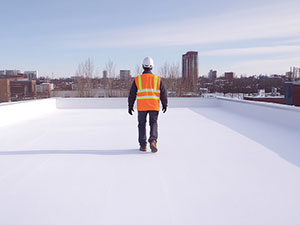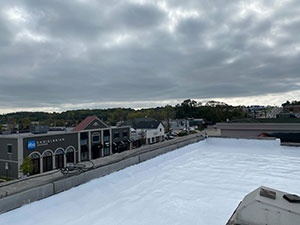

Single-Ply Roofers Kokomo, IN

Single-Ply Roofers Kokomo, IN 1

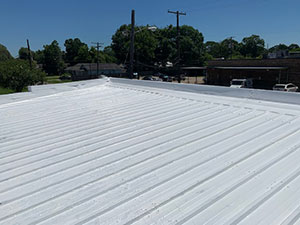
For commercial property owners in Kokomo, IN, selecting skilled single-ply roofers is critical to ensuring a durable, leak-resistant roof. Single-ply roofing systems, including TPO, PVC, and EPDM, are popular for flat or low-slope commercial roofs due to their energy efficiency, flexibility, and long lifespan. However, improper installation can lead to leaks, membrane damage, and costly repairs. Understanding common mistakes and how to avoid them can save both time and money. For professional single-ply roofing services, contact CVC Roofing at (317) 557-0888.

Common Installation Mistakes Single-Ply Roofers See

Even experienced roofers face challenges when installing single-ply systems. These mistakes, if left unaddressed, can compromise the roof’s performance and longevity. The most frequent issues include:

Inadequate Deck Preparation:

The roof deck is the foundation of any single-ply system. Failing to clean, dry, and level the surface before installation can lead to poor adhesion, wrinkles, or membrane bubbling. Moisture or debris trapped under the membrane may cause mold growth and premature degradation.

Poor Seaming Techniques:

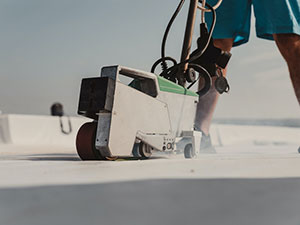
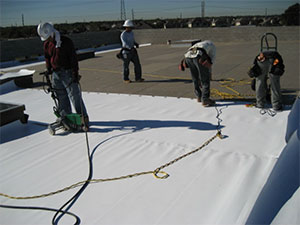
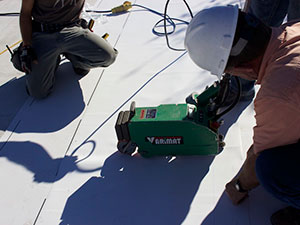
Single-ply membranes rely on heat-welded or chemically bonded seams for waterproofing. Improper welding temperature rushed seam alignment, or inadequate pressure can result in weak spots where water can infiltrate.

Incorrect Fastener Placement:

Mechanically attached systems require precise fastener spacing and placement. Fasteners installed too close together can damage the membrane, while those too far apart reduce wind uplift resistance. Improper placement around edges, curbs, and penetrations is a common cause of leaks.

Neglecting Flashing and Penetrations:

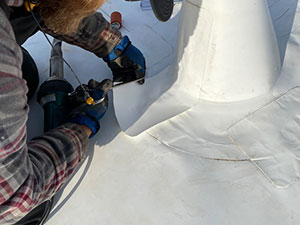
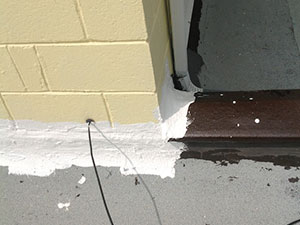
Flashing around vents, HVAC units, skylights, and drains is critical to preventing leaks. Inadequate flashing installation or failure to properly seal penetrations often leads to water infiltration and membrane damage.

Overlooking Roof Slope and Drainage:

Even flat roofs need slight slope to ensure proper water runoff. Single-ply roofers sometimes ignore slope adjustments or fail to install tapered insulation, resulting in ponding water that accelerates membrane wear and increases leak potential.

How to Avoid Installation Pitfalls
Single-Ply Roofers Kokomo, IN 2

Preventing these common mistakes starts with hiring experienced, certified single-ply roofers and following best practices throughout the installation process. Key strategies include:

Comprehensive Deck Inspection and Prep:

Ensure the roof deck is clean, dry, and level before installation. Address moisture issues, repair damaged sections, and remove debris to create a stable surface for membrane adhesion.

Proper Seam Welding and Adhesive Application:

Use calibrated heat-welding equipment and follow manufacturer guidelines for temperature, pressure, and welding speed. For adhesive-based membranes, apply the correct amount and ensure full contact between surfaces.

Accurate Fastener Installation:

Follow recommended spacing guidelines and pay attention to high-stress areas like perimeters, corners, and rooftop equipment. Using a layout plan can help prevent errors.

Expert Flashing and Penetration Sealing:

Install flashing according to manufacturer instructions and verify all penetrations are fully sealed. Overlap edges correctly and double-check for voids that could allow water infiltration.

Ensure Adequate Drainage:

Evaluate the roof’s slope and install tapered insulation if necessary. Verify drains and scuppers are unobstructed to prevent water accumulation.

Regular quality checks during and after installation are also essential to catch errors early. Experienced single-ply roofers understand these risks and implement preventive measures to maximize the roof’s performance.

Choosing the Right Single-Ply Roofers Matters

Choosing skilled roofers is vital for protecting your investment and avoiding costly repairs. Certified professionals bring experience with multiple single-ply systems, proper tools, and manufacturer-approved techniques. They can identify potential trouble spots, recommend preventive solutions, and ensure the roof meets both performance and warranty requirements.

For commercial building owners in Kokomo, IN, working with qualified single-ply roofers like CVC Roofing ensures:

  • Longer-lasting roofs with fewer leaks
  • Compliance with manufacturer warranties
  • Reduced maintenance costs over the roof’s lifetime
  • Peace of mind knowing the roof protects your business assets

Reliable Single-Ply Roofers

In conclusion, single-ply roofing offers excellent performance for flat and low-slope commercial roofs, but installation mistakes can quickly compromise its benefits. From deck preparation to seam welding, fastener placement, and flashing installation, attention to detail is critical. By hiring professional single-ply roofers and following best practices, commercial property owners in Kokomo, IN can ensure their roofs are durable, efficient, and long-lasting. For expert installation or repair, contact CVC Roofing at (317) 557-0888 today.

FAQ

Can all single-ply membranes be repaired if installed incorrectly?
Minor seam or flashing issues can often be repaired, but extensive installation errors may require partial or full replacement.

How long does a professionally installed single-ply roof typically last?
With proper installation and maintenance, single-ply roofs can last 20–30 years depending on the material and environmental conditions.

Are single-ply roofs energy-efficient?
Yes. Many single-ply membranes are reflective, reducing heat absorption and lowering cooling costs for commercial buildings.

What should I check before hiring single-ply roofers?
Verify experience with your specific membrane type, ask for references, confirm certification, and review previous projects for quality assurance.
EPDM Roof Installation Kokomo, IN

EPDM Roof Installation Kokomo, IN 1

For commercial building owners in Kokomo, IN, installing an EPDM roof represents a durable, cost-effective solution for flat and low-slope roofing systems. However, the longevity and performance of an EPDM roof largely depend on proper preparation before installation. Understanding the steps to prepare your roof deck can help ensure a smooth EPDM roof installation, minimize costly errors, and extend the life of your roofing system. For professional guidance in Kokomo, IN, contact CVC Roofing at 317-557-0888.

Preparing Your Deck for a Smooth EPDM Roof Installation

EPDM, or Ethylene Propylene Diene Monomer, is a single-ply rubber roofing membrane known for its flexibility, resistance to UV rays, and waterproofing capabilities. While EPDM is highly durable, improper installation can lead to leaks, membrane wrinkling, or premature failure.

The foundation of a successful EPDM installation begins with the roof deck. A poorly prepared deck can create uneven surfaces, compromise adhesion, and increase the likelihood of damage under extreme weather conditions. Commercial roofing contractors in Kokomo, IN emphasize the importance of inspecting, cleaning, and reinforcing the roof deck before laying the membrane.

EPDM Roof Installation Kokomo, IN 2

Inspecting and Repairing the Roof Deck

Before any EPDM installation begins, the roof deck must be thoroughly inspected for structural integrity. Look for signs of water damage, rot, or weakened decking materials. For metal decks, ensure all fasteners are secure and that any corrosion is addressed.

Plywood, OSB, or other wood decks should be checked for loose panels or warped areas. Damaged sections must be replaced or reinforced to prevent sagging, which could compromise the EPDM membrane. Proper inspection ensures the new roof will perform effectively for decades, protecting the commercial building and its contents.

Cleaning and Levelling the Surface

After inspection, the roof deck must be cleaned of debris, dirt, and any remnants of the previous roofing system. Even small particles can create air pockets beneath the EPDM membrane, reducing adhesion and increasing the risk of leaks.

Leveling the surface is equally important. Low spots should be filled with roofing-compatible materials, and high points may need sanding or smoothing. A level and clean deck ensures the EPDM membrane lays flat without wrinkles or folds, improving both performance and aesthetics.

Installing Insulation and Vapor Barriers

For energy efficiency and moisture control, most EPDM installations include insulation and a vapor barrier. Proper placement of insulation boards reduces heat loss and prevents condensation beneath the membrane.

Vapor barriers are critical for commercial buildings in Kokomo, IN, especially in climates with temperature fluctuations. They prevent trapped moisture from compromising the roof deck or the EPDM membrane. Using high-quality insulation and vapor barriers contributes to the long-term durability and energy efficiency of the roofing system.

Preparing for Adhesive Application

EPDM membranes are installed using either fully adhered, mechanically fastened, or ballasted methods. For fully adhered systems, the roof deck must be compatible with the adhesive. Contractors typically prime the surface to enhance bond strength and ensure the membrane adheres smoothly.

Attention to detail during this step prevents common installation issues such as bubbles, wrinkles, or loose seams. A properly prepared deck allows the EPDM to stretch and conform to the roof’s contours while maintaining a watertight seal.

EPDM Roof Installation Experts

Before laying the EPDM membrane, commercial roofing contractors conduct a final walkthrough of the roof deck. This includes checking for sharp objects, ensuring insulation boards are secure, and confirming that all repairs are completed. These final preparations reduce the risk of costly mistakes during installation and ensure that the roof performs as expected under heavy rains, strong winds, and UV exposure.

For commercial building owners in Kokomo, IN, taking the time to prepare the roof deck properly is the most important factor in achieving a successful EPDM roof installation. From inspection and repairs to cleaning, levelling, and preparing for adhesives, each step contributes to a long-lasting, efficient, and reliable roofing system. For professional EPDM installation services, contact CVC Roofing at 317-557-0888 to schedule an evaluation.

FAQ

Can EPDM roofing be installed over an existing roof?
Yes, in many cases EPDM can be installed over a properly prepared existing roof, but the deck must be inspected and levelled first.

How long does it take to prepare a roof deck for EPDM installation?
Preparation time varies depending on roof size and condition but typically takes 1–3 days for commercial buildings.

What type of insulation is best for EPDM roofs?
Polyisocyanurate (polyiso) and expanded polystyrene (EPS) are commonly used due to their moisture resistance and thermal efficiency.

How do contractors ensure the EPDM membrane adheres correctly?
They clean and prime the deck, remove debris, level the surface, and use high-quality adhesives compatible with the EPDM membrane.

EPDM Roof Repair Kokomo, IN

EPDM Roof Repair Kokomo, IN 1

For commercial building owners in Kokomo, IN, flat roofs are a common choice due to their cost-effectiveness and ease of installation. One of the most reliable materials used for these roofs is EPDM (ethylene propylene diene monomer), a durable rubber membrane known for its weather resistance and longevity. However, even the sturdiest EPDM roofs can develop issues over time. Timely EPDM roof repair is critical to prevent leaks, structural damage, and costly replacements. If you notice signs of wear on your flat roof, contact CVC Roofing for expert service in Kokomo, IN by calling the team at (317) 557-0888.

Quality EPDM Roof Repair Is Critical

EPDM roofing is widely favored for commercial flat roofs because it is lightweight, flexible, and resistant to UV rays, ozone, and extreme temperatures. Despite its durability, EPDM is not immune to damage. Over time, exposure to harsh weather, foot traffic, and roof equipment can lead to cracks, punctures, seam failures, or blisters.

Unlike sloped roofs, flat commercial roofs are more prone to water pooling, which can accelerate membrane deterioration. Small leaks may initially go unnoticed but can compromise insulation and the roof deck if left unrepaired. Recognizing and addressing these problems through professional EPDM roof repair ensures the long-term performance of your commercial building’s roofing system.

Common EPDM Roof Issues

EPDM Roof Repair Kokomo, IN 2

Cracks and Punctures

One of the most common problems with EPDM membranes is punctures caused by falling debris, foot traffic, or maintenance work. Even small holes allow water infiltration, which can lead to mold growth, insulation damage, or structural issues. During an inspection, check for visible tears or exposed areas on the membrane. Timely repairs with patch kits or professional sealing prevent minor issues from escalating.

Seam Failures

EPDM roofs are typically installed in large sheets joined by adhesive seams. Over time, seams may loosen, peel, or crack due to thermal expansion and contraction. Seam failure is a leading cause of water intrusion in flat commercial roofs. Professional EPDM roof repair often involves resealing or reinforcing seams to restore a watertight barrier.

Blisters and Ponding Water

Blisters form when moisture or air becomes trapped beneath the membrane, causing bubbles to appear on the roof surface. Additionally, flat roofs may develop areas of ponding water if drainage is inadequate. Both conditions stress the EPDM material and can lead to leaks if ignored. Addressing these issues promptly through repair or improved drainage solutions safeguards the roof’s structural integrity.

Aging and UV Damage

While EPDM is UV resistant, prolonged exposure to intense sunlight can cause the membrane to become brittle and crack. Aging also contributes to reduced elasticity, making the roof more vulnerable to tears and leaks. Regular inspections help identify weakened areas early, allowing professional repair before serious damage occurs.

Benefits of Timely EPDM Roof Repair

Prompt EPDM roof repair offers several advantages for commercial building owners:

Cost Savings: Addressing minor issues early prevents extensive damage that would require complete roof replacement.

Extended Roof Life: Repairs restore the membrane’s integrity, prolonging the overall lifespan of the EPDM roof.

Improved Building Protection: Water intrusion, insulation damage, and mold growth are minimized, protecting both the structure and interior contents.

Compliance and Warranty Maintenance: Many EPDM manufacturers require professional maintenance for warranty validity. Timely repairs help ensure your warranty remains intact.

Working with a Professional EPDM Roof Repair Contractor

While some cleaning and debris removal can be handled in-house, professional EPDM roof repair ensures proper techniques and materials are used. Experienced contractors, like CVC Roofing in Kokomo, IN, have the expertise to identify hidden damage, reseal seams, patch punctures, and reinforce areas vulnerable to water infiltration. Hiring professionals also minimizes safety risks associated with working on commercial flat roofs.

Minor EPDM roof issues can escalate quickly, resulting in expensive repairs or even a complete roof replacement. For commercial building owners, addressing problems early is key to preserving roof integrity and protecting your property.

Contact CVC Roofing for EPDM roof inspection and repair services in Kokomo, IN. Call (317) 557-0888 to safeguard your flat commercial roof and prevent small issues from becoming major expenses.

FAQ

Can EPDM roofs be repaired without removing the entire membrane?
Yes, most issues like punctures, seam failures, and blisters can be repaired directly on the existing membrane without a full replacement.

How long does an EPDM roof repair typically last?
When properly executed, repairs can extend the life of the affected area for several years, depending on maintenance and environmental conditions.

Are DIY EPDM roof repairs recommended?
Minor patching may be possible, but professional repair ensures proper adhesion, watertight sealing, and long-term performance.

What signs indicate immediate EPDM roof repair is needed?
Visible tears, pooled water, loose seams, blistering, and interior leaks are all warning signs that require prompt professional attention.

Commercial Roof Inspection Kokomo, IN

Commercial Roof Inspection Kokomo, IN 1

For commercial property owners in Kokomo IN, long-term building maintenance is as much about foresight as it is about repairs. One of the most overlooked planning tools is a thorough commercial roof inspection. Rather than reacting to leaks or damage after they disrupt operations, inspections provide actionable data that supports budgeting, scheduling, and asset protection.

Professional commercial roof inspections help building owners and managers make informed maintenance decisions that protect their property and extend roof life. Expert evaluations identify potential issues early, allowing you to plan repairs or preventative measures before problems escalate.

Contact CVC Roofing for commercial roof inspection services in Kokomo, IN. Call (317) 557-0888.

How Commercial Roof Inspection Supports Maintenance Planning

A commercial roof inspection is not just a visual check, it’s a structured evaluation of the roof system’s current condition and projected performance. Inspectors assess membranes, seams, flashing, drainage, penetrations, and underlying components to identify early signs of wear or failure.

This information helps owners move from reactive maintenance to strategic planning. Instead of unexpected emergency repairs, inspection findings allow you to forecast when repairs, restoration, or replacement may be needed. That foresight supports capital planning and prevents maintenance costs from becoming disruptive or unmanageable.

For large facilities, inspections also help prioritize which buildings or roof sections require attention first, ensuring maintenance budgets are allocated where risk is highest.

Identifying Risks Before They Impact Operations

Commercial Roof Inspection Kokomo, IN 2

One of the biggest advantages of a commercial roof inspection is early risk detection. Minor issues, such as membrane separation, deteriorating sealants, or clogged drainage, may not cause immediate leaks but can escalate quickly if ignored.

Unchecked roof issues often lead to interior damage, mold risk, insulation saturation, and even structural concerns. For businesses, this can mean interrupted operations, tenant complaints, or damaged inventory. Inspections identify vulnerabilities early, giving owners time to address them on their own schedule rather than during a crisis.

Inspection reports also document existing conditions, which is valuable when planning renovations, leasing space, or preparing for severe weather seasons.

Smarter Budgeting and Lifecycle Management

Long-term building maintenance depends on understanding lifecycle costs, not just immediate expenses. A commercial roof inspection provides a snapshot of where your roof is in its service life and what investments will be required to extend it.

Instead of assuming replacement is the only option, inspections often reveal opportunities for targeted repairs or restoration. These options can significantly extend roof life at a lower cost, helping owners maximize return on investment.

Inspection data also supports multi-year budgeting. When you know what repairs are likely in the next three, five, or ten years, you can plan funding accordingly and avoid sudden financial strain.

For property managers overseeing multiple buildings, standardized inspections create consistency and clarity across assets, simplifying decision-making at scale.

Inspections as Documentation and Decision Support

One often overlooked benefit of commercial roof inspections is thorough documentation. Detailed inspection reports establish a clear record of your roof’s condition, creating a baseline that can be referenced over time.

This documentation is invaluable for warranty compliance, insurance claims, and holding contractors accountable. If damage occurs, inspection records provide proof of pre-existing conditions and maintenance history.

Inspections also support broader building decisions. A roof’s condition impacts energy efficiency, interior climate control, and future projects like solar installations or rooftop equipment upgrades.

By understanding a roof’s limitations and capacity early, building owners can prevent costly redesigns, delays, or unexpected repairs down the line.

Integrating Roof Inspection into a Proactive Maintenance Strategy

A commercial roof inspection is most effective when viewed as part of a broader maintenance strategy rather than a standalone task. Inspection findings should feed into maintenance schedules, repair plans, and long-term facility goals.

For commercial owners focused on minimizing downtime and protecting property value, inspections provide clarity and control. They replace assumptions with data and transform roofing from a reactive expense into a managed asset.

Commercial Roof Inspection Experts

Proactive roof management begins with knowing the current condition of your commercial building’s roof. For property owners and managers in Kokomo, IN, timely inspections and expert guidance help prevent costly repairs and extend the life of your roofing system.

Contact CVC Roofing for commercial roof inspection in Kokomo, IN. Call (317) 557-0888.

FAQ

What does a commercial roof inspection typically include?
It includes evaluation of membranes, seams, flashing, drainage systems, penetrations, and visible structural components.

Can a roof inspection help delay full roof replacement?
Yes. Inspections often identify repair or restoration options that extend roof life and postpone replacement.

Are inspection reports useful for insurance or warranties?
Absolutely. They document roof condition and maintenance history, which can support claims and warranty compliance.

Should inspections be done before major building upgrades?
Yes. Knowing roof condition helps ensure it can support planned upgrades like HVAC units or solar panels.

New Construction Roofing Kokomo, IN

New Construction Roofing Kokomo, IN 1

For commercial property owners in Kokomo, IN, new construction projects are exciting opportunities to enhance operational capacity, improve aesthetics, and increase property value. However, one critical component that can make or break the success of a building is the roof. New construction roofing requires meticulous planning, expert installation, and attention to detail. Avoiding common pitfalls during this phase can save thousands on future repairs and protect your investment. For expert guidance in Kokomo, IN, contact CVC Roofing at 317-557-0888.

Top Mistakes to Avoid During New Construction Roofing Projects

Choosing the Wrong Roofing System

One of the most frequent mistakes in new construction roofing is selecting a system without fully considering building requirements. Commercial structures in Kokomo, IN, face varied weather conditions, including wind, rain, snow, and temperature fluctuations. Choosing a roof that cannot withstand these elements can result in leaks, energy inefficiency, and premature wear.

When planning new construction roofing, consider factors such as:

  • Building design and slope: Flat vs. pitched roofs require different materials and drainage solutions.
  • Local climate: Materials should resist wind uplift, hail, and temperature extremes.
  • Energy efficiency: Reflective coatings and insulation can reduce heating and cooling costs.
New Construction Roofing Kokomo, IN 2

By carefully evaluating these factors, property owners can avoid costly mistakes and select a roofing system that balances durability, cost, and long-term performance.

Improper Installation Practices

Even the best roofing system can fail if installation is subpar. Improper fastening, inadequate sealing, and misaligned panels or shingles are common issues in new construction roofing projects. These errors can lead to water intrusion, structural damage, and warranty disputes.

Key areas to monitor during installation include:

  • Flashing and penetration seals: Ensure all vents, HVAC units, and skylights are correctly integrated.
  • Fasteners and adhesives: Use manufacturer-recommended fasteners and adhesives for each material type.
  • Slope and drainage: Even minor slope errors can cause ponding, leading to premature deterioration.

Hiring experienced roofing contractors, like CVC Roofing, ensures that installation follows industry best practices and manufacturer specifications, significantly reducing the risk of future problems.

Overlooking Preventative Measures

Another common mistake is neglecting preventative measures during the new construction phase. While it may be tempting to focus on speed and cost savings, skipping these steps can lead to higher expenses down the line.

Preventative measures include:

  • Underlayment and vapor barriers: Protect against moisture intrusion and extend roof life.
  • Drainage systems: Gutters, downspouts, and scuppers should be strategically placed and tested.
  • Quality inspections: Conducting regular inspections during construction catches errors before they become permanent.

Incorporating these preventive steps during construction ensures that the roof functions optimally from day one, reducing the likelihood of costly repairs and downtime.

Budgeting and Coordination Challenges

New construction roofing projects often face budgetary pressures and coordination challenges with other trades. Miscommunication between contractors can lead to scheduling conflicts, missed deadlines, and subpar workmanship.

To avoid these issues:

  • Maintain a clear project schedule that accounts for roofing, HVAC, electrical, and other systems.
  • Use a detailed contract specifying materials, installation standards, and timelines.
  • Allocate a contingency budget for unforeseen issues that may arise during construction.

Proactive project management minimizes surprises, keeps costs under control, and ensures the roof integrates seamlessly with the rest of the building systems.

The ROI of Doing It Right

Investing time and resources into proper new construction roofing pays dividends over the life of the building. A correctly installed and well-planned roof reduces maintenance costs, prevents water damage, enhances energy efficiency, and preserves the building’s value. Commercial property owners in Kokomo, IN, who take the time to avoid these common mistakes are far better positioned to enjoy long-term performance and lower operating costs.

New Construction Roofing Experts

Partnering with an experienced contractor like CVC Roofing ensures your new construction roofing project avoids pitfalls, meets industry standards, and provides a durable, efficient roof for years to come. To get started on your commercial roofing project, contact CVC Roofing at 317-557-0888 today.

FAQ

What materials are best for commercial new construction roofing?

It depends on the building type, slope, climate, and energy efficiency goals; options include TPO, EPDM, metal, and modified bitumen.

Can poor installation void my roofing warranty?

Yes. Most manufacturer warranties require professional installation and adherence to specific guidelines.

How can I ensure my new roof handles extreme weather?

Select materials rated for local wind, hail, and temperature conditions, and ensure proper installation and drainage.

Is it important to coordinate roofing with other construction trades?

Absolutely. Coordination prevents conflicts, ensures proper integration, and maintains the project schedule and budget.

Commercial Roof Maintenance Kokomo, IN

Commercial Roof Maintenance Kokomo, IN 1

For commercial property owners in Kokomo, IN, building upkeep decisions directly affect operating budgets, tenant satisfaction, and long-term asset value. Among all facility care strategies, commercial roof maintenance consistently delivers one of the highest returns on investment (ROI). A roof that is proactively maintained performs longer, fails less often, and protects the business activities beneath it. To discuss maintenance strategies tailored to your facility in Kokomo, IN, call CVC Roofing at 317-557-0888.

The ROI of Commercial Roof Maintenance

Preventing Small Issues from Becoming Capital Expenses

One of the strongest financial arguments for Commercial Roof Maintenance is its ability to stop minor problems from escalating into major repairs or premature replacement. Commercial roofs are exposed daily to UV radiation, temperature swings, wind uplift, and moisture intrusion. Over time, these forces weaken seams, flashing, fasteners, and surface membranes.

Routine maintenance identifies early warning signs such as surface cracks, minor punctures, clogged drainage, or deteriorating sealants. Addressing these issues early typically requires modest repairs that cost far less than emergency leak remediation or structural damage repairs. From an ROI standpoint, maintenance dollars are spent strategically rather than reactively, allowing owners to control costs instead of responding to crises.

For businesses, avoiding sudden roof failures also means preventing interior damage to inventory, equipment, and finishes, losses that often exceed the cost of roof work itself.

Extending Roof Life and Deferring Replacement Costs

Commercial Roof Maintenance Kokomo, IN 2

A commercial roof is one of the most expensive components of a building envelope. Without maintenance, many roofing systems fail years earlier than their designed service life. Commercial Roof Maintenance helps owners maximize the lifespan of their existing roof system, often delaying replacement by five, ten, or even more years.

Maintenance activities such as debris removal, minor membrane repairs, drainage optimization, and protective treatments reduce wear and slow material degradation. This extended service life directly improves ROI by spreading the original installation cost over more years of use.

Deferring roof replacement also preserves capital for other investments, whether that means equipment upgrades, facility expansions, or operational improvements. For property owners managing multiple buildings, maintenance-driven life extension can result in substantial long-term savings across an entire portfolio.

Supporting Energy Efficiency and Operational Stability

Commercial Roof Maintenance does not just protect the structure; it also supports consistent building performance. Roof damage often leads to insulation saturation, air leaks, and compromised thermal efficiency. Even small breaches can allow conditioned air to escape, increasing heating and cooling costs month after month.

By maintaining roof membranes, seams, and drainage systems, building owners help preserve insulation effectiveness and interior climate control. Stable indoor conditions improve comfort for employees and tenants while keeping energy expenses predictable.

Operational stability is another key ROI factor. Businesses depend on uninterrupted operations, and roof failures can cause downtime, safety hazards, or even temporary closures. Maintenance reduces the likelihood of unexpected disruptions, protecting revenue streams and business continuity.

Improving Budget Forecasting and Asset Management

From a financial planning perspective, Commercial Roof Maintenance creates clarity. When roofs are maintained regularly, owners gain a clearer understanding of system condition, anticipated repairs, and remaining service life. This information allows for smarter capital planning and avoids surprise expenses that strain budgets.

Maintenance documentation can also support insurance claims and warranty compliance. Many commercial roofing warranties require proof of ongoing maintenance, and failure to comply can void coverage. Maintaining eligibility protects owners from absorbing costs that should be covered under warranty or insurance agreements.

In competitive leasing markets, well-maintained buildings are also easier to market. Tenants value facilities that demonstrate proactive care, which can improve retention rates and reduce vacancy-related losses.

Commercial Roof Maintenance Experts

For commercial property owners in Kokomo, IN, Commercial Roof Maintenance is not just an expense, it is a strategic investment with measurable returns. By reducing emergency repairs, extending roof lifespan, supporting energy efficiency, and stabilizing operating costs, maintenance delivers one of the highest ROIs in building care. To learn how a structured maintenance approach can benefit your facility, contact CVC Roofing at 317-557-0888 and start protecting your investment from the top down.

FAQ

How does commercial roof maintenance impact long-term building value?

It preserves roof integrity, reduces capital expenses, and demonstrates responsible asset management to buyers and tenants.

Can maintenance help avoid business interruptions caused by roof problems?

Yes. Proactive care minimizes unexpected leaks or failures that could disrupt operations.

Does roof maintenance support energy efficiency goals?

Maintained roofs help insulation and reflective surfaces perform as intended, reducing energy loss.

Is commercial roof maintenance useful for older buildings?

Absolutely. Older roofs benefit significantly from targeted maintenance that slows further deterioration.

TPO Roof Repair Kokomo, IN

TPO Roof Repair Kokomo, IN 1

TPO roofing systems are a popular choice for commercial properties in Kokomo because they offer durability, strong energy efficiency, and reliable performance in a variety of climates. Despite their advantages, TPO roofs can develop issues over time that require professional TPO roof repair. Businesses depend on their roofs to protect operations and maintain a safe environment, so understanding how TPO roof damage occurs and how repairs are performed can help property owners make informed decisions and keep their buildings in optimal condition. Call CVC Roofing on (317) 557-0888 for TPO roof repair in Kokomo, IN.

TPO Roof Repair Considerations

What Makes TPO Roofing Unique

TPO, also known as thermoplastic polyolefin, is a single-ply membrane designed to resist heat, ultraviolet rays, and chemical exposure. Its white reflective surface helps reduce energy use by lowering cooling demands during warmer months. Because TPO is lightweight and flexible, it adapts well to commercial buildings with flat or low sloped roof structures.

The membrane is typically installed in large sheets that are heat welded at the seams. This creates a strong and watertight bond that supports long lasting performance. Despite its strength, TPO requires routine maintenance and timely repairs to prevent premature wear or damage caused by weather or daily building operations.

Common Issues That Affect TPO Roofs

TPO Roof Repair Kokomo, IN 2

TPO roofing systems in Kokomo may experience a variety of issues due to weather exposure, aging materials, or poor maintenance. Prolonged sunlight can cause the surface to weaken over time, creating small cracks or surface deterioration. Wind and rain may loosen seams or flashing, especially around vents, edges, and rooftop equipment.

Punctures are another frequent concern. Technicians who access the roof for HVAC servicing or maintenance may unintentionally damage the membrane by stepping on vulnerable areas. Ponding water also creates long term stress on TPO surfaces, especially if drainage systems are blocked or not functioning properly.

Heat welded seams may occasionally separate due to age or improper installation. When these seams weaken, water can enter the roofing system and cause interior damage.

TPO Roof Repair Red Flags

Several visible and non-visible signs can indicate the need for repair. Businesses may notice water stains on interior ceilings or unexpected moisture inside the building. These signs often point to leaks or saturation beneath the membrane. Musty odors sometimes develop when insulation or materials below the roof have absorbed water.

On the surface, bubbling, blistering, or wrinkling of the membrane often suggests trapped moisture or surface deterioration. Separated seams, loose flashing or punctured areas also indicate that the roof needs attention. Regular inspections help catch these issues early and prevent more extensive damage.

The Repair Process

Professional TPO roof repair begins with a detailed inspection of the membrane and all related components. A roofing specialist evaluates seams, flashing, drainage systems, and any areas that show signs of damage. Infrared scanning may be used to detect hidden moisture that is not visible on the surface.

Once the issue is identified, the repair process begins. Damaged sections are cleaned and prepared before new material is welded into place. Heat welding ensures a strong and watertight connection that matches the original installation. For punctures or small cracks, patches are applied and sealed to restore membrane integrity.

If insulation has become saturated, it must be removed and replaced to maintain the building’s energy efficiency. Flashing may also be reinforced or reinstalled to prevent future leaks. After repairs are completed, the contractor performs a final inspection to confirm that the roof is fully sealed and ready to withstand local weather conditions.

Benefits of Timely TPO Roof Repair

Addressing TPO roof issues quickly provides several valuable benefits. Prompt repairs prevent leaks from spreading into the building and damaging structural components, electrical systems, or interior finishes. Early intervention also prevents mold growth, which can lead to health concerns and costly remediation.

Repairing small issues quickly supports better energy performance. Moisture beneath the membrane weakens insulation and increases heating and cooling demands. By restoring roof integrity, property owners maintain a stable indoor environment while reducing operational strain.

Timely repair also extends the overall lifespan of the TPO roof. Proper maintenance and quick response reduce long-term costs and help the system perform at its best for many years.

Choosing a TPO Roof Repair Specialist

Selecting a qualified roofing contractor ensures high quality repair work. Look for professionals with experience in TPO systems and strong references from commercial property owners. A reputable contractor provides clear communication, a detailed inspection and a plan that addresses the root cause of the issue, not just the surface symptoms.

Quality workmanship, proper tools, and extensive knowledge of thermoplastic materials are essential for long-lasting results. Collaborating with a trusted specialist ensures your TPO roof remains durable, efficient, and well protected. For TPO roof repair in Kokomo, IN contact CVC Roofing on (317) 557-0888.

FAQ

How long do TPO roof repairs usually last?
Repairs can last many years when performed correctly, especially when combined with ongoing maintenance.

Can TPO seams be repaired even if they have separated?
Yes. Seams can be re welded or patched to restore a watertight seal and prevent further issues.

Is TPO a good choice for energy efficiency
Yes. TPO’s reflective surface helps reduce cooling demands and supports strong overall energy performance.

Commercial Roof Repair Kokomo, IN

Commercial Roof Repair Kokomo, IN 1

Commercial roof repair is an essential part of protecting buildings, assets, and daily operations in Kokomo. When a roof begins to show signs of wear or damage, businesses must act quickly to prevent leaks, structural issues, and costly disruptions. A well-maintained commercial roof contributes to the safety of employees, supports energy efficiency, and preserves the longevity of the building. Understanding how roof damage develops and how professional repair services address these concerns can help property owners make confident and informed decisions. Call CVC Roofing on (317) 557-0888 for commercial roof repair in Kokomo, IN.

Common Causes of Commercial Roof Damage

Most commercial roofs experience natural wear as they age. Weather exposure often accelerates this process in Kokomo due to seasonal temperature changes, storms, and humidity. Heavy rain can lead to moisture infiltration while intense winds may cause seams to loosen or lift. Prolonged sunlight can weaken roofing materials and create brittle surfaces that crack over time.

Improper drainage is another frequent cause of damage. When water pools on the roof, it places additional stress on the membrane and increases the risk of leaks. Blocked gutters or damaged downspouts can worsen this issue by allowing water to remain on the surface. Foot traffic also contributes to deterioration. Maintenance workers may unintentionally cause punctures or loosen flashing while accessing rooftop equipment.

Signs You Need Commercial Roof Repair

Commercial Roof Repair Kokomo, IN 2

Identifying problems early helps prevent widespread damage. Water stains on ceilings are often the first indication of an active leak. Unexpected moisture inside the building can signal that water has penetrated the roofing layers. Musty odors may also appear when moisture affects insulation or interior materials.

On the roof surface, visible cracks, blisters, or torn membrane sections are common warning signs. Ponding water that remains for more than forty-eight hours may point to drainage concerns. Damaged or missing flashing around vents, chimneys or edges frequently leads to early roof failure. Regular inspections allow property owners to detect these issues before they escalate.

Professional Repair Process

Commercial roof repair in Kokomo begins with a thorough inspection. A roofing professional evaluates the condition of the membrane, seams, flashing and drainage system to determine the source of the problem. Advanced tools such as infrared scanning may be used to identify hidden moisture within the roof structure.

Once the issue is identified, the repair plan is developed. Damaged sections of roofing material are removed and replaced with new components that match the existing system. Seams are re secured and flashing is reinforced to restore a watertight surface. If moisture has entered the insulation, replacement may be required to ensure the building maintains proper energy efficiency.

After repairs are completed, a final evaluation is performed to verify the roof is secure and ready to withstand local weather conditions. Many contractors also offer maintenance programs to help extend the lifespan of the roof and reduce the chance of future damage.

Timely Commercial Roof Repair Matters

Responding promptly to roof damage helps protect the entire building. When leaks are left unaddressed, water can damage structural components, electrical systems, and interior finishes. Prolonged exposure to moisture may also result in mold growth, which can affect indoor air quality and cause costly remediation.

Timely repairs support better energy performance. Wet insulation loses its ability to regulate temperature, causing heating and cooling systems to work harder. By repairing damaged areas quickly, property owners can maintain consistent energy use and reduce unnecessary operational costs.

A well-maintained commercial roof also helps businesses avoid interruptions. Preventing leaks and structural issues ensures daily activities continue safely and without inconvenience to employees or customers.

Selecting a Commercial Roof Repair Contractor

Choosing the right roofing contractor is vital to ensure quality repair work. Look for a company with experience in commercial roofing systems, including TPO, EPDM, PVC, and built-up roofing. A reputable contractor provides clear communication, detailed assessments, and reliable workmanship.

Ask about maintenance services, inspection schedules, and material options to ensure the contractor is prepared to support the long-term health of your roof. Strong references and positive reviews from local businesses can also help confirm the reliability of the company. If your building is in Kokomo, IN contact CVC Roofing on (317) 557-0888 to have a commercial roof repair consultation.

FAQ

How often should a commercial roof be inspected?
Most commercial roofs should be inspected twice each year to identify early signs of wear or developing issues.

Can small leaks be ignored if they do not affect daily operations?
Even small leaks can cause hidden damage. Addressing them quickly prevents larger and more expensive problems.

What materials are commonly used in commercial roof repairs?
Repairs often involve single ply membranes, sealants, flashing materials and replacement insulation depending on the issue.

Single-Ply Roofing Kokomo, IN

Single-Ply Roofing Kokomo, IN 1

We often work with commercial property owners in Kokomo, IN looking to maximize the lifespan and performance of their flat roofs. Single-ply roofing systems are a popular choice because they provide a continuous, waterproof membrane that protects against leaks, UV damage, and extreme temperatures. Choosing the right membrane is essential for your building’s durability, energy efficiency, and long-term cost savings. Call CVC Roofing at 317-557-0888 to learn which single-ply system best suits your facility.

What Makes Single-Ply Roofing Unique?

Single-ply roofing refers to a single layer of synthetic membrane installed over a roof deck. Common materials include EPDM, TPO, and PVC. These membranes are lightweight, flexible, and easy to install, making them ideal for commercial flat roofs. Beyond basic protection, single-ply systems offer energy efficiency by reflecting sunlight, reducing heat absorption, and minimizing cooling costs. They are also adaptable to various roof shapes and resilient against common commercial roof stresses such as foot traffic and equipment placement.

Popular Single-Ply Roofing Options

Single-Ply Roofing Kokomo, IN 2

Each single-ply membrane type offers unique advantages depending on your building’s needs.

  • EPDM (Ethylene Propylene Diene Monomer): Known for its flexibility and weather resistance, EPDM is excellent for older roofs or low-slope buildings. It stretches with the roof, preventing cracks and leaks over time.
  • TPO (Thermoplastic Polyolefin): TPO is highly reflective and energy-efficient, ideal for commercial offices or warehouses looking to reduce cooling costs. Its UV and heat resistance make it particularly effective in sunny climates.
  • PVC (Polyvinyl Chloride): PVC membranes are chemical and fire-resistant, making them suitable for industrial facilities or roofs exposed to machinery and harsh chemicals. They also provide durability under heavy foot traffic.

Which is Best for You?

  • EPDM: Best for older commercial buildings or low-slope roofs where flexibility and weather resistance are priorities.
  • TPO: Ideal for energy-conscious office buildings and warehouses with high sun exposure, providing cooling efficiency and reflective benefits. TPO has the best results when it comes to electricity bills as it saves costs during both the winter and summer seasons.
  • PVC: Recommended for industrial facilities or areas with chemical exposure, heavy equipment, or frequent rooftop traffic. This has the best rating for chemical resistance to help sustain industrial wear and tear.

Choosing the right membrane depends on roof age, traffic, local climate, and energy goals.

Factors That Will Guide Your Decision

Selecting the correct single-ply membrane is more than exploring the types. Commercial property owners should evaluate:

  • Roof Condition and Age: Older roofs may benefit from flexible EPDM, while newer structures can support TPO or PVC membranes.
  • Climate and UV Exposure: Buildings in sunny or harsh weather regions require UV-resistant and heat-reflective membranes.
  • Energy Efficiency Goals: Reflective TPO or PVC membranes can reduce cooling costs and enhance sustainability.
  • Long-Term Cost vs ROI: Investing in the appropriate membrane upfront can prevent frequent repairs and extend roof life, offering greater value over time.

Ensuring Long-Term Performance

  • Schedule regular inspections, especially after storms or extreme weather events
  • Keep roofs free of debris and check that drainage systems function properly
  • Monitor seams and membrane integrity for early signs of wear
  • Apply repairs promptly to prevent minor issues from becoming major problems

These steps help maintain the roof’s integrity, reduce unexpected costs, and prolong the life of your single-ply system.

Single-Ply Roofing Professionals

Selecting the right single-ply roofing system protects your Kokomo, IN commercial building, reduces energy costs, and ensures long-term performance. By understanding membrane types, building requirements, and local climate considerations, property owners can make informed decisions that save time and money. At CVC Roofing, we guide commercial clients in choosing and maintaining the best roofing solution. Call us on 317-557-0888 to get started on securing your roof’s future.

FAQ

How long do single-ply roofs last?
Typically 20–30 years depending on membrane type, installation quality, and maintenance.

Can TPO or EPDM be installed over an existing roof?
Yes, many single-ply membranes can be applied directly over intact roofs, saving time and reducing tear-off costs.

Which membrane is best for commercial flat roofs?
EPDM is versatile and durable, TPO is reflective and energy-efficient, and PVC is chemical and fire-resistant.

Do single-ply roofs reduce energy costs?
Yes, reflective membranes like TPO and PVC can lower cooling costs by reflecting sunlight and improving insulation.

Rubber Roof Repair Kokomo, IN

Rubber Roof Repair Kokomo, IN 1

Commercial property owners face the challenge of maintaining durable flat roof systems daily. Rubber roof repair is essential for preventing leaks, water damage, and costly structural issues. Rubber roofs are common in Kokomo, IN commercial settings because of their durability and waterproofing capabilities, but timely repairs are critical to ensure long-term performance. Call CVC Roofing at 317-557-0888 to understand how we can help maintain the integrity of your rubber roof.

Understanding a “Rubber Roof”

A rubber roof is typically made from synthetic rubber membranes such as EPDM (ethylene propylene diene monomer) or TPO (thermoplastic polyolefin). These materials are highly flexible, resistant to UV rays, and designed to provide a continuous, watertight layer over flat or low-slope roofs. Commercial buildings benefit from rubber roofs because they are relatively lightweight, energy-efficient, and adaptable to irregular roof shapes, making them a popular choice for warehouses, offices, and industrial facilities.

Common Rubber Roof Issues

Rubber Roof Repair Kokomo, IN 2

Commercial rubber roofs are generally durable, but they are not immune to wear and tear. Some common issues include:

  • Cracks and punctures caused by foot traffic or rooftop equipment
  • Seams lifting or separating over time
  • Ponding water due to poor drainage
  • UV and weather-related degradation

Ignoring these problems can lead to leaks, water damage, and accelerated roof aging. Early detection and timely repair help prevent costly structural damage and minimize business disruption.

Best Practices for Rubber Roof Repair

Repairing a rubber roof requires a careful, step-by-step approach:

  • Conduct a thorough inspection to identify cracks, seam issues, or punctures.
  • Clean the affected area to remove dirt, debris, and moisture before repair.
  • Apply patches or seam tape specifically designed for the type of membrane.
  • Seal all repaired areas to ensure watertight integrity.
  • Perform a final assessment to confirm that repairs have fully addressed the issue.

While minor repairs are effective for localized damage, roofs that are extensively worn or damaged may require a full replacement to ensure long-term performance.

Rubber Roof Repair Considerations

Choosing the right repair method involves evaluating multiple factors. The age and current condition of your roof help determine whether a patch or full replacement is appropriate. Consider the roof’s exposure to UV, rain, or extreme temperatures, as these elements influence which repair materials will perform best. Building use is another key consideration, high-traffic industrial roofs may need more durable solutions than a lightly used office roof. Additionally, weigh the cost of repair against long-term ROI; sometimes investing in a more comprehensive repair or replacement saves money over time by avoiding repeated fixes.

Your Rubber Roof Repair Specialists

Understanding your roof’s condition and selecting the correct rubber roof repair method can protect your commercial building and extend the life of your roof. By considering the type of rubber membrane, the extent of damage, and building-specific requirements, property owners can make informed decisions that save both time and money. At CVC Roofing in Kokomo, IN, we help commercial clients evaluate their roofs and implement the best repair strategies. Call us on 317-557-0888 to ensure your roof remains secure and long-lasting.

FAQ

How long do rubber roofs typically last
Rubber roofs can last 20–30 years depending on membrane type, installation quality, and maintenance.

Can minor leaks be repaired without replacing the roof
Yes, localized leaks and seam issues can often be patched without a full roof replacement.

Which type of rubber roof is best for commercial buildings
EPDM is widely preferred for its durability, flexibility, and resistance to UV and weather.

How often should commercial rubber roofs be inspected
Inspections should be done at least twice a year and after major storms to catch problems early.